How to Set Up a Sulawesi Shrimp Tank from A to Z
A complete A–Z guide to setting up a Sulawesi shrimp tank: water parameters, Sula Sand substrate, the Yellow & White Powder bacteria duo, cycling and safe acclimation.
How to set up a Sulawesi shrimp tank, A to Z
Sulawesi shrimp are stunning and famously fussy about water. Success isn't luck — it's the right mineral substrate, a healthy bacterial culture and parameters that don't move. This is the exact process we run at Jack Shrimp Farm.
A good tank is one where nothing changes suddenly.
Alkaline, mineral-rich — nothing like ordinary shrimp
Unlike Bee shrimp (soft-water Caridina) or Neocaridina, Sulawesi shrimp come from ancient tectonic lakes with alkaline, mineral-rich water — Matano, Towuti and Poso, between one and four million years old. To keep them well you have to rebuild that environment: a volcanic substrate that buffers minerals, a stable alkaline pH and a dedicated bacterial culture. It is also why Sulawesi shrimp cannot share a tank with soft-water species — the two are opposite worlds.
Ideal water parameters
The golden rule: stability beats perfect numbers. A swinging parameter does more damage than one sitting slightly off but never moving. Measure TDS and pH at the same time each day so your readings are comparable.
Where the water you're recreating comes from
An ancient cradle
Sulawesi shrimp are endemic to a handful of ancient tectonic lakes — 1–4 million years old, among the oldest freshwater lakes on earth.
Six steps to a Sulawesi tank
Lay the volcanic mineral substrate
The substrate is the heart of a Sulawesi tank. Use Sula Sand — genuine imported Sulawesi volcanic rock — to build a mineral buffer, hold an alkaline pH and give bacteria something to colonise. Lay it 3–5cm deep, sloping gently toward the back.
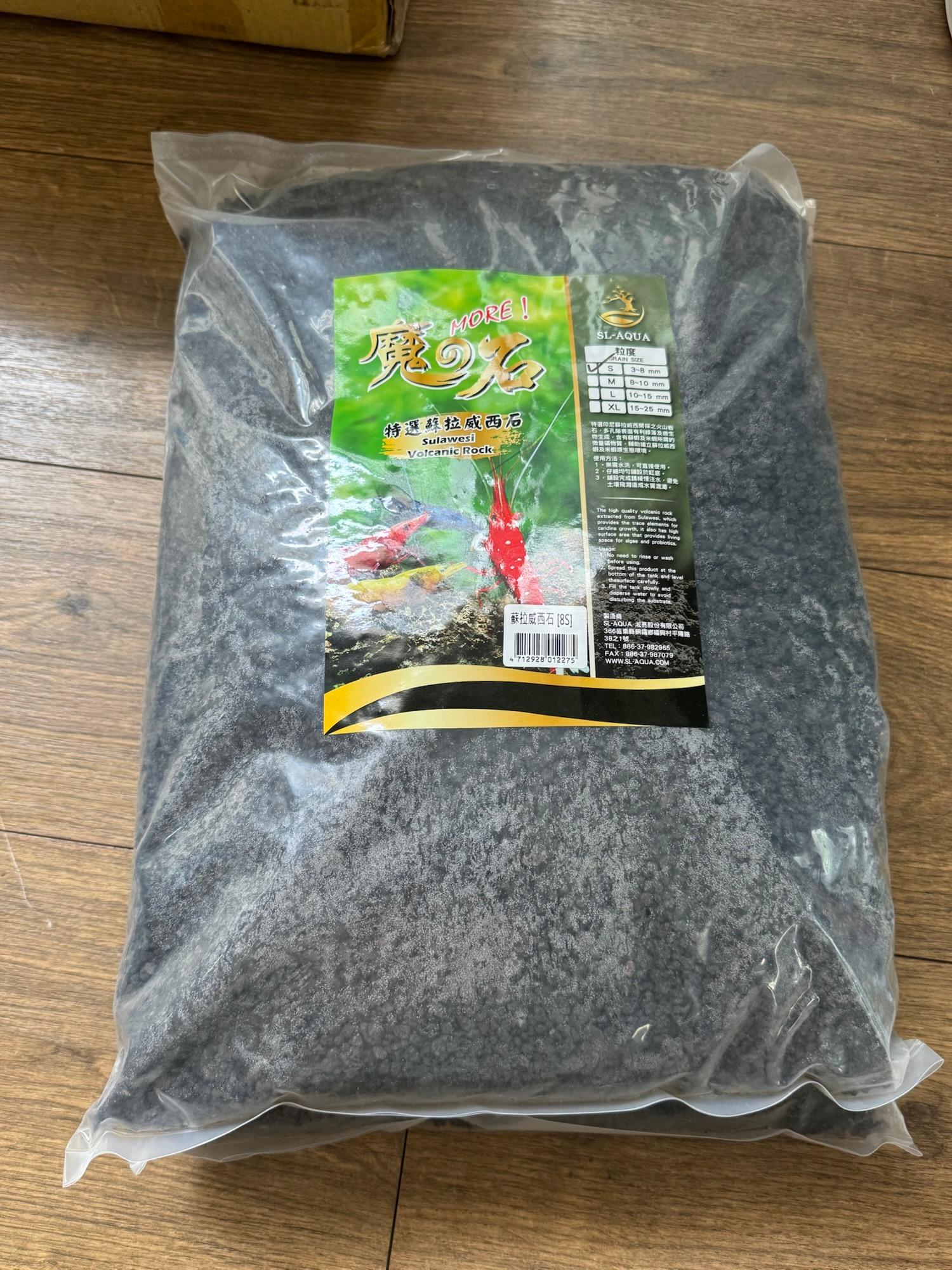 Sulawesi Volcanic Rock - Nền Sula Sand (Nhập khẩu chính ngạch)1.200.000 ₫View product
Mix water and minerals
Remineralise RO water with a Sulawesi-specific mineral to TDS 150–250, GH 6–8, KH 3–6. Avoid straight tap water — it's hard to control and easy to contaminate with. Always measure TDS and pH before the water goes in.
Fit filter, air and heater
Hold 27–30°C with a thermostatic heater. Run a gentle sponge or bacterial filter plus good aeration — warm water carries less oxygen than cool water. Keep flow moderate so the shrimp can graze the rockwork.
Seed the bacteria: the Powder duo
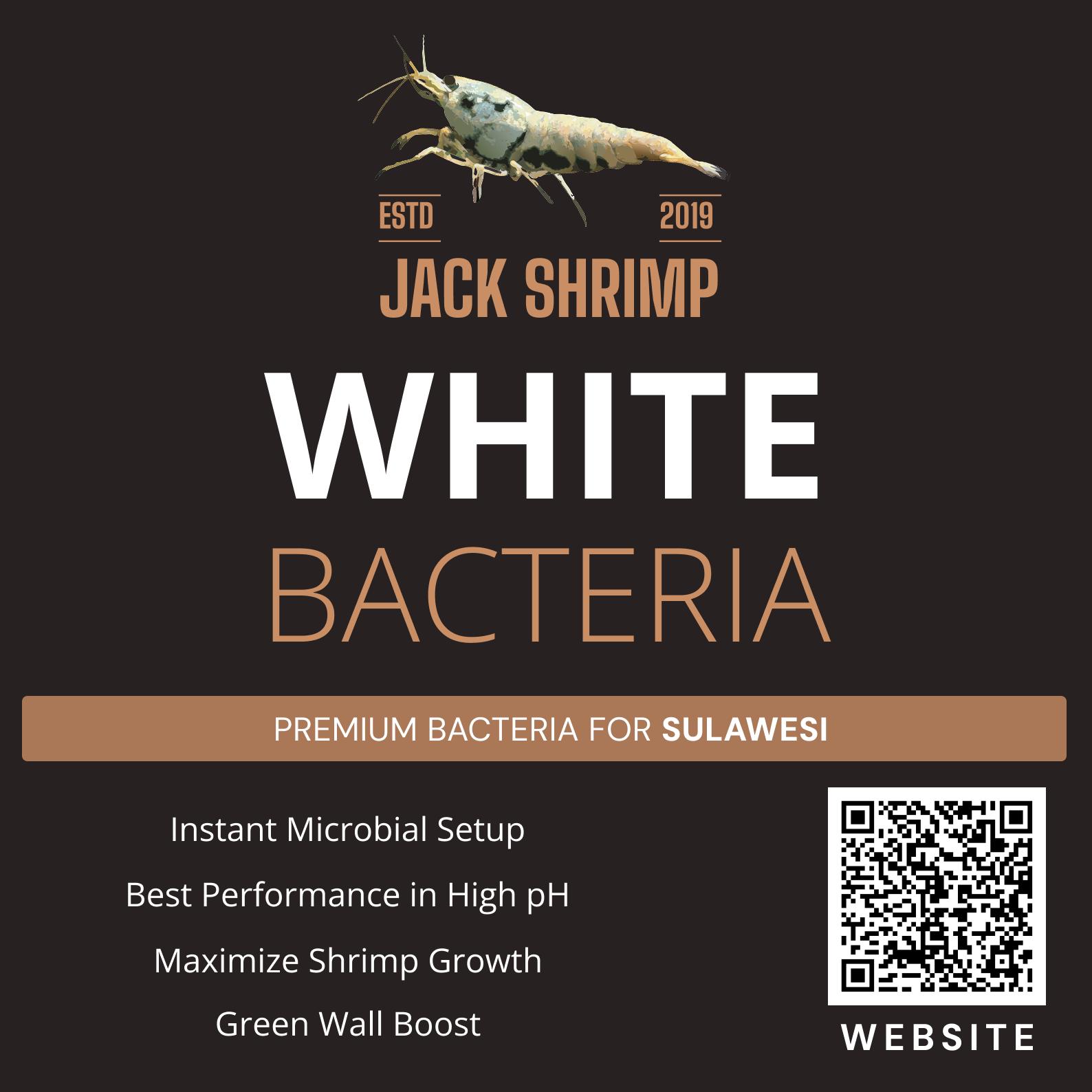
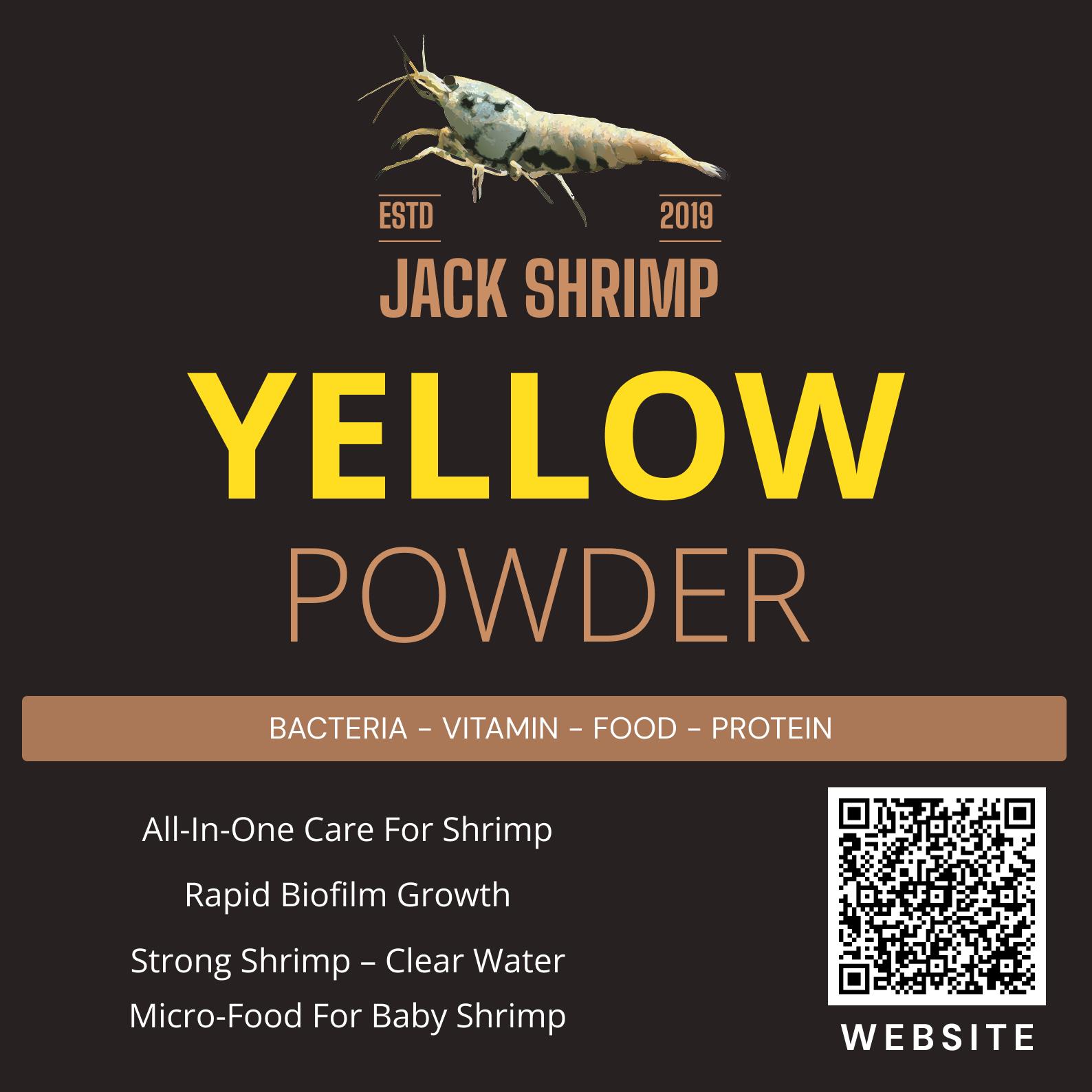
This is the step that decides everything. White Powder is a heavy-duty Sulawesi-specific culture that builds and holds the buffer and breaks down waste. Yellow Powder adds bacteria, vitamins and protein for colour and steady breeding. Use both together for the best result.
Cycle the tank and wait
Run the tank empty for 4–6 weeks while the bacteria mature. Watch until ammonia and nitrite read zero and pH/TDS sit still for several days in a row — only then is it done.
The single most common mistake: adding shrimp to a tank that hasn't finished cycling. It's what kills most beginners' first colonies — a week saved, a whole group lost.
Acclimate by slow drip
Acclimate by slow drip over 45–90 minutes so the shrimp adjust to your TDS and pH. Release them gently and leave the light off for the first hour or two. After that, feed lightly and do small, regular water changes (10–15% weekly) to keep the colony strong.
Watch us do it
Two short clips from the farm (@shrimpfarmvn) showing the set-up steps in practice.
Frequently asked questions
Do I have to use Sula Sand?
We strongly recommend it. Sulawesi volcanic substrate builds the mineral buffer that holds an alkaline pH long-term — the single biggest factor in keeping these shrimp healthy and coloured up.
What's the difference between White Powder and Yellow Powder?
White Powder is a heavy-duty Sulawesi-specific bacterial culture that builds and holds the buffer. Yellow Powder adds bacteria, vitamins and protein for colour and breeding. Use both.
How long before I can add shrimp?
After 4–6 weeks of cycling, once the parameters have stopped moving: ammonia and nitrite at zero, pH and TDS unchanged for several days.
I keep Bee shrimp — can I switch to Sulawesi?
Yes, but in a separate tank. Sulawesi need hard alkaline water, the exact opposite of soft-water Bee shrimp. They cannot be mixed.
What tank size should I start with?
30 litres or more. The more water volume you have, the harder it is for parameters to swing — and stability is exactly what Sulawesi shrimp need most.
How do you ship, and is arrival guaranteed?
We pack with pure oxygen and ship nationwide. Free nationwide air shipping on orders from 5,000,000₫, and free intra-city delivery on orders from 2,000,000₫. Live arrival is guaranteed — film one continuous unboxing video to claim a replacement.
Ready to start? Jack Shrimp Farm carries the complete Sulawesi set-up: Sula Sand substrate, the White & Yellow Powder duo, and healthy acclimated colonies. Good luck with your tank.
Ready to start?
We carry the complete Sulawesi set-up: Sula Sand substrate, the White & Yellow Powder bacteria duo, and healthy acclimated shrimp.
Browse the shop →