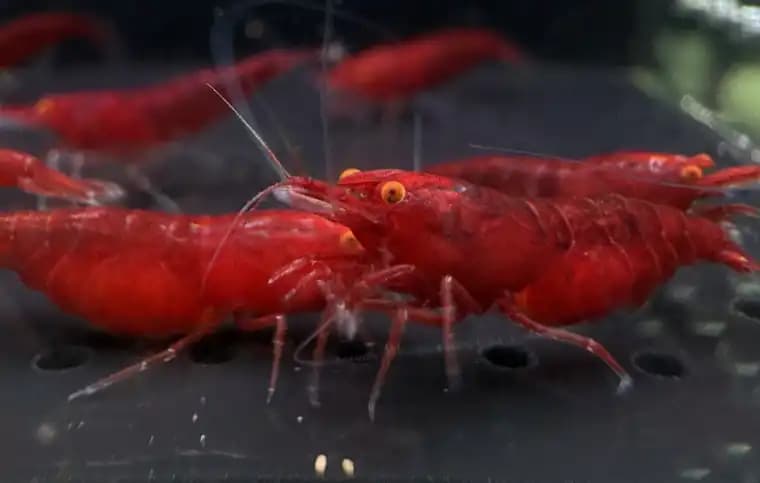
Bloody Mary Orange Eyes
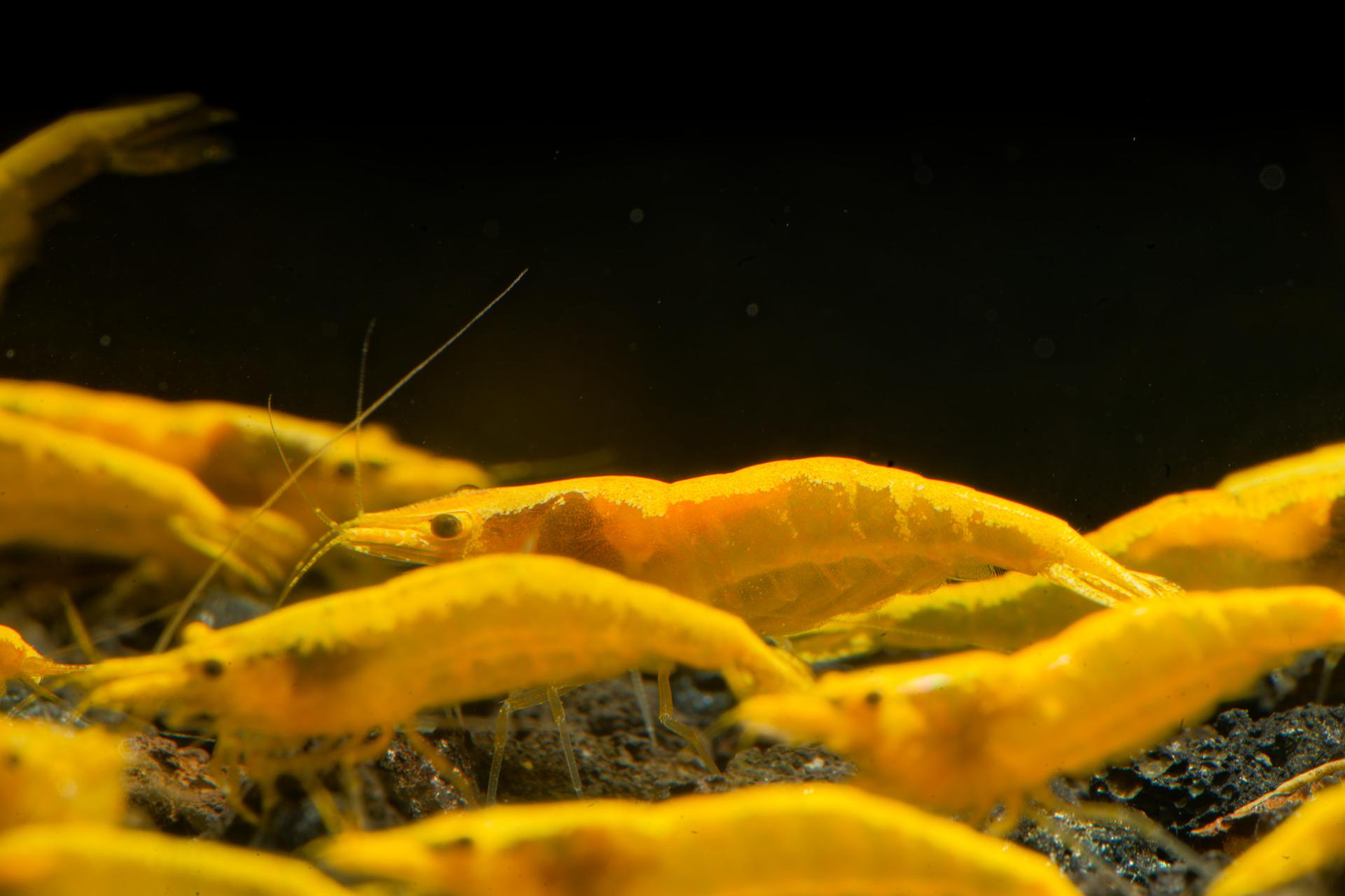
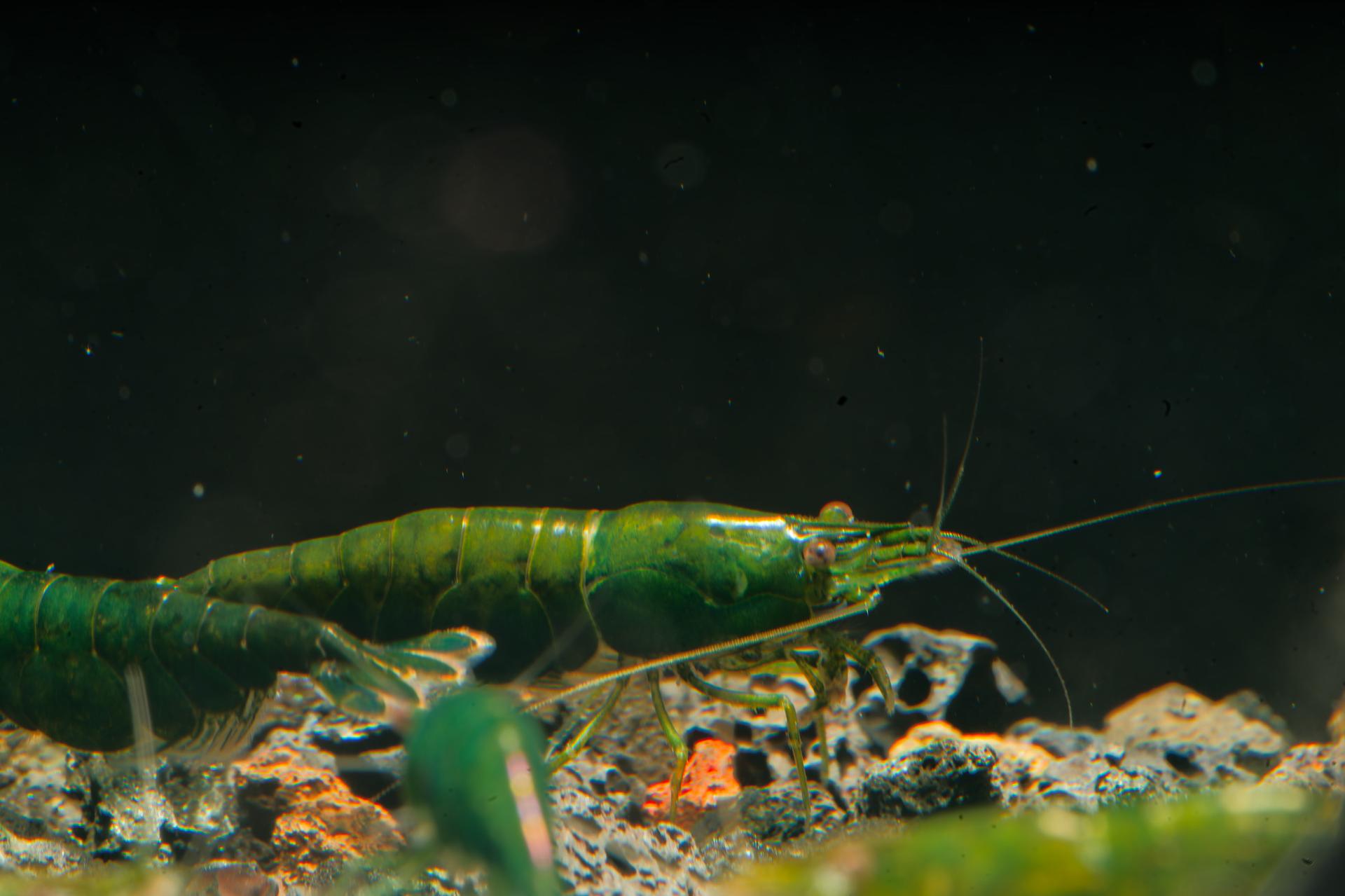
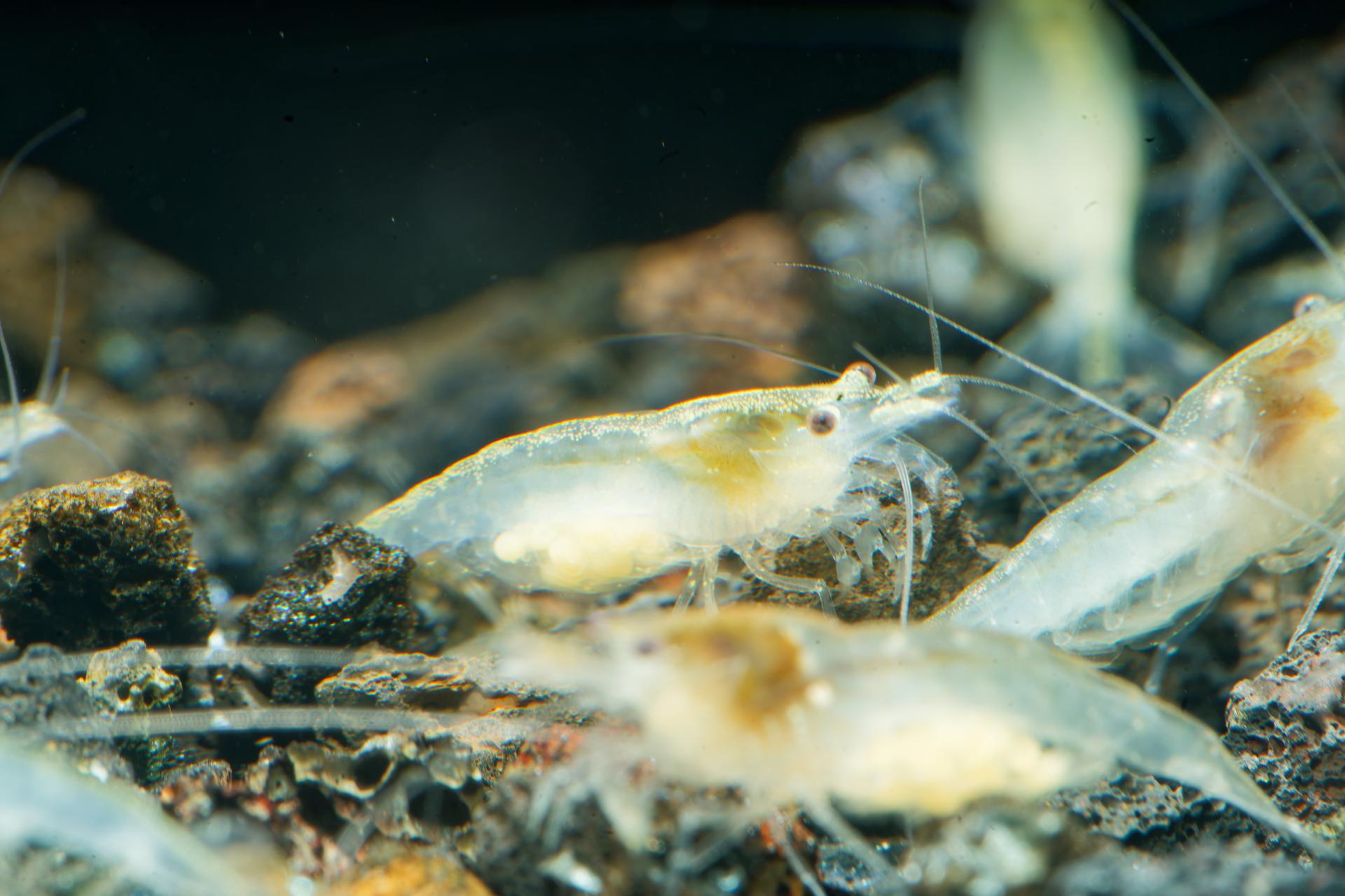
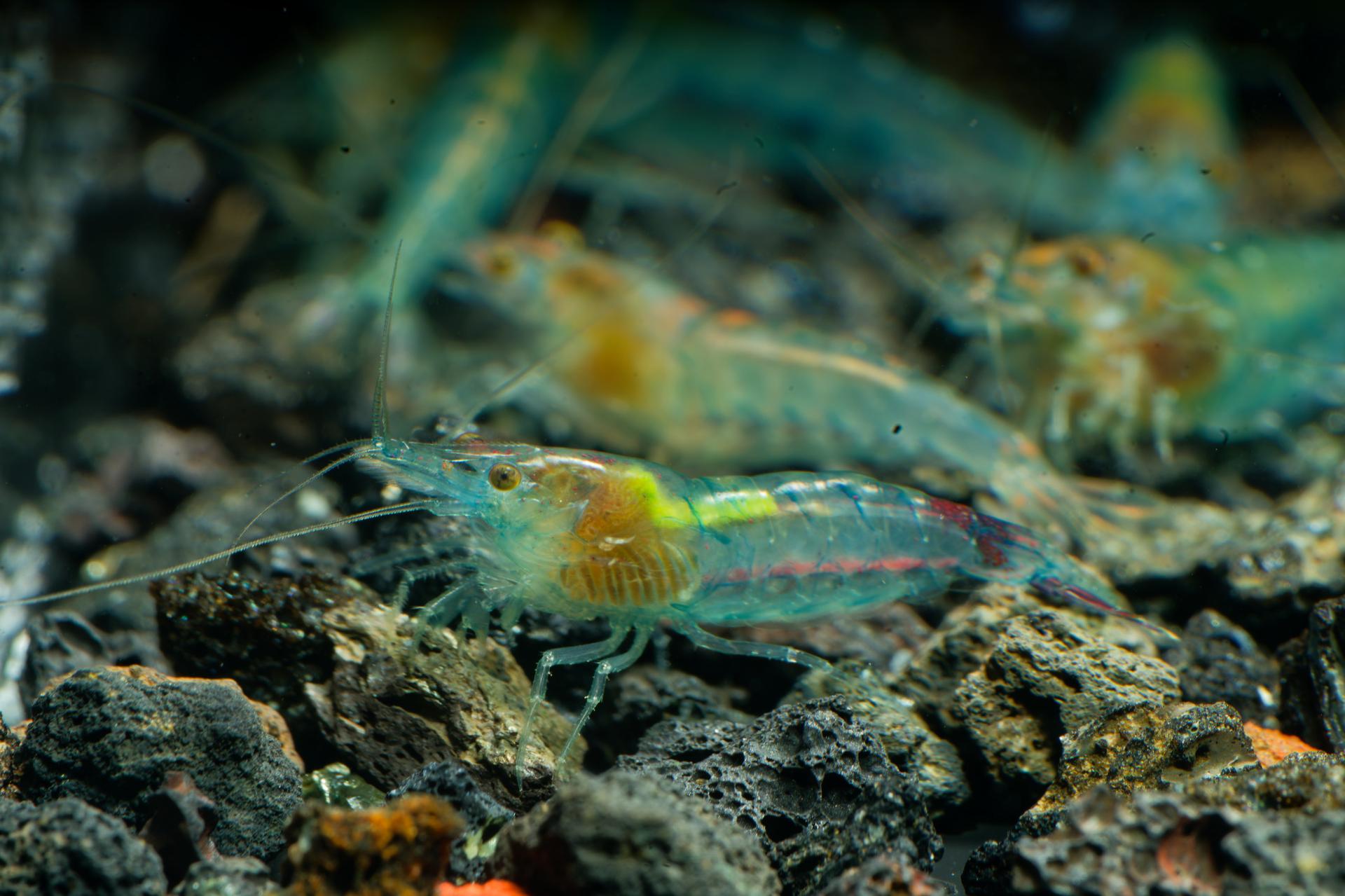
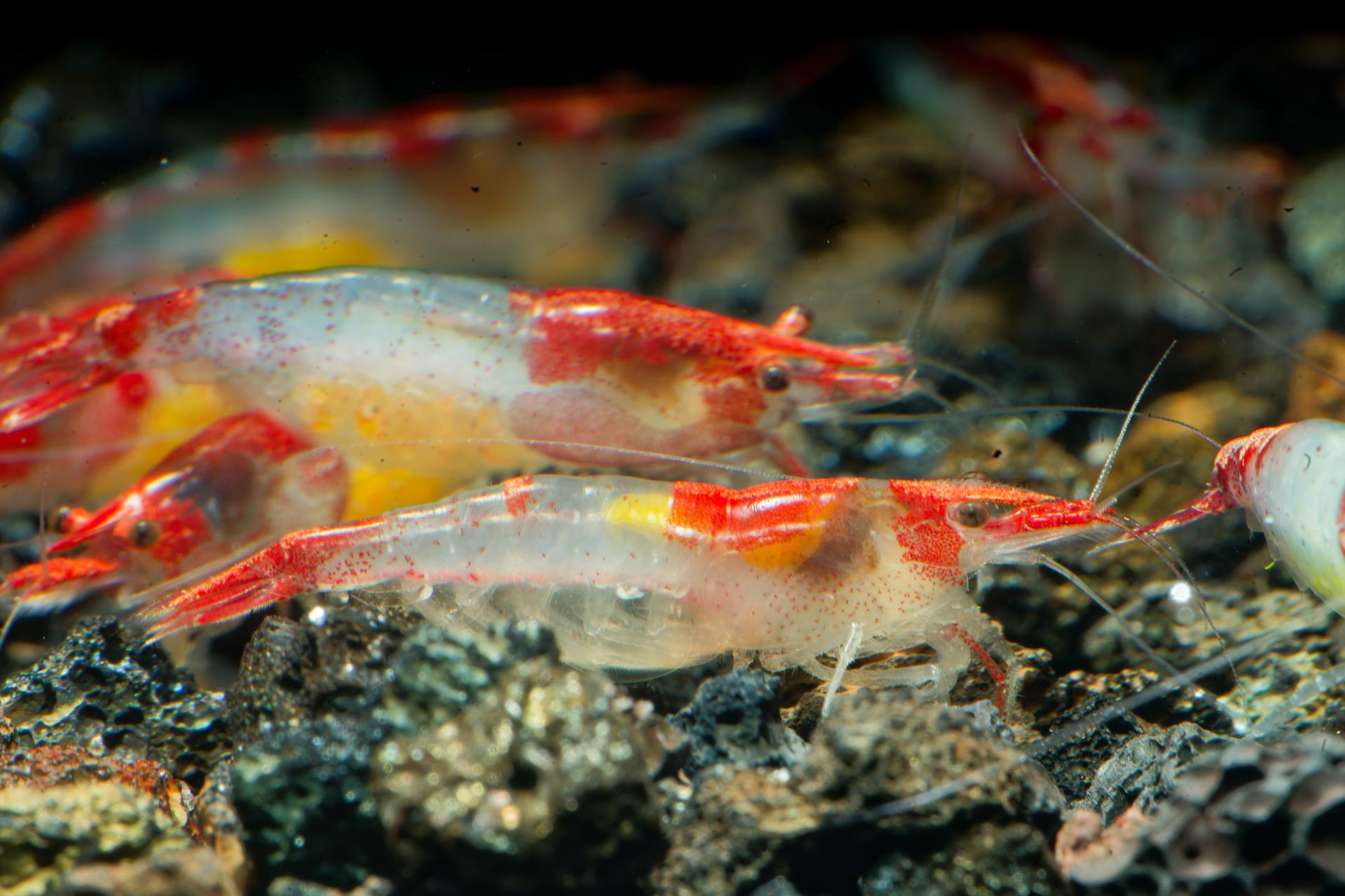
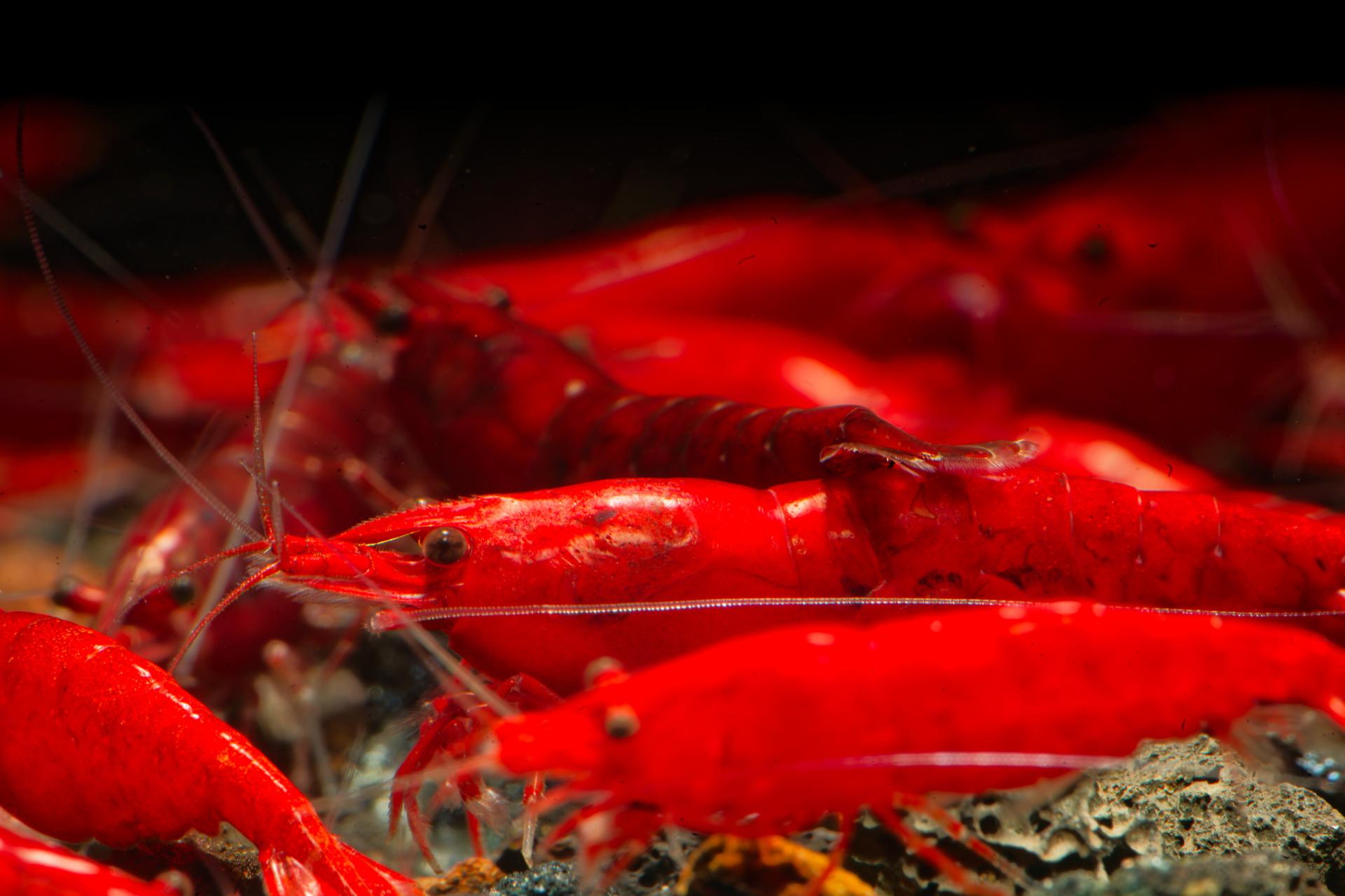
Wine-blood red right through the body, with no clear patches anywhere. Set against that red, a pair of clear amber eyes — something a standard Bloody Mary does not carry.
Plenty of lines are red. Orange eyes over solid red is a great deal rarer.
This line is quoted per batch and per quantity, so no fixed price is listed. Message us and we'll send photos and video of what's in the tanks right now, then quote.
Red through the shell, amber in the eye
What separates Bloody Mary from an ordinary red cherry is that the colour sits in the shell rather than just under the skin — hold one against the light and it stays red, legs and tail fan carry the colour too, and there are none of the clear windows a cherry shows. A settled colony reads from across the room as one even band of red, with no pale stragglers.
What lifts this batch is the eye. Instead of the default black, shrimp carrying the orange-eye gene show a clear amber eye that stands out against the red body. It's a detail you only get up close, which is why we always send macro shots before anything is confirmed.
Why orange eyes cost more
Among Neocaridina keepers, orange eyes (OE) is described as a recessive trait — meaning a shrimp has to inherit the gene from both parents before the eye shows amber. We're repeating the common understanding within the breeding community here, not citing a published genetic study.
What is plain in practice: an ordinary Bloody Mary colony does not start producing orange eyes on its own, and an OE colony kept alongside black-eyed shrimp dilutes generation by generation. Holding a high orange-eye rate means keeping the line separate and selecting for it continuously — which is the whole reason it isn't priced like a standard red.
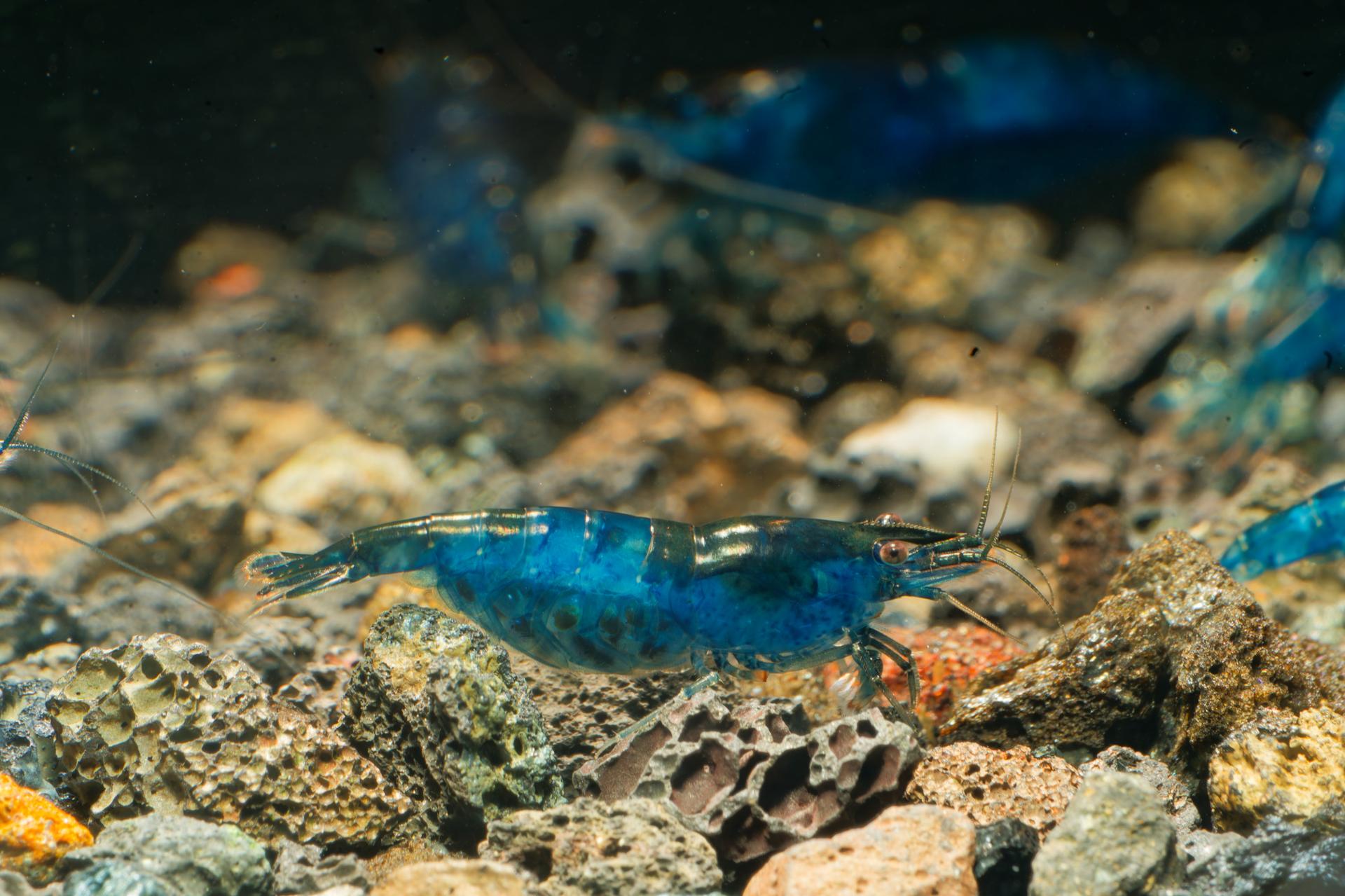
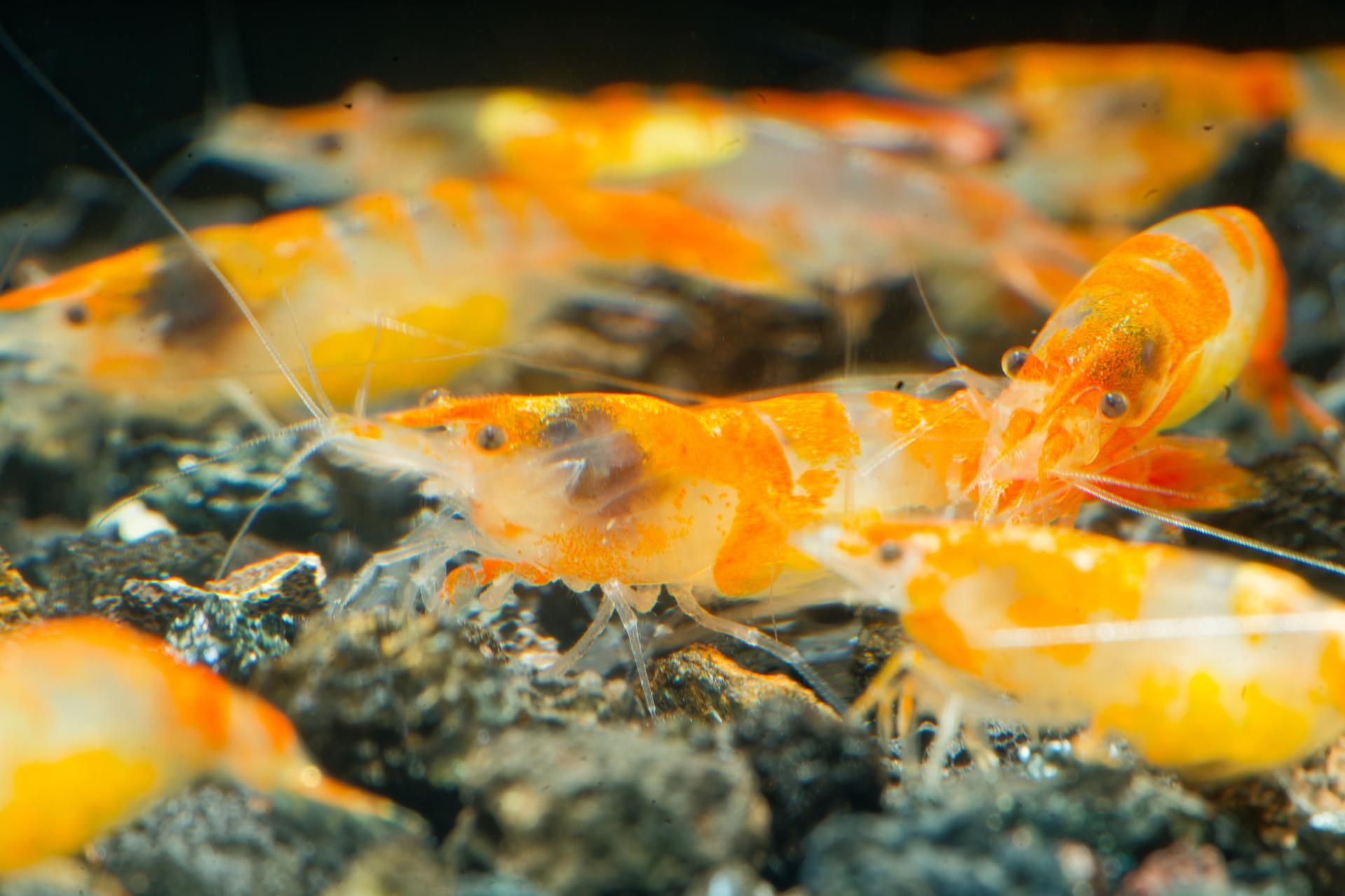
Keep them on their own. Housed with any other Neocaridina colour line — cherry, yellow, blue, rili — the colony drifts back to wild brown within a few generations and loses both the colour and the eye.
Water parameters
Neocaridina want an inert substrate — gravel, sand, lava rock — not the active buffering soil cold-water Caridina need, which would pull the pH below what they tolerate. Dechlorinated tap water, GH built up with minerals if your water is soft, and KH kept off zero so the pH doesn't wander.
Red depth follows food and substrate. A dark substrate, carotenoid-rich food and a tank with plenty of biofilm keep a colony deep red; a bright white tank and a thin diet will fade every shrimp in it, gene or no gene.


Common questions
Why is there no listed price?
Because it moves with the batch and with the colony's current orange-eye rate. We send macro shots and video of the actual animals and quote that batch, rather than leaving a fixed number that doesn't reflect what's in the tank.
Will the offspring keep the orange eyes?
Kept pure within an OE colony, the rate holds very well. Mixed with black-eyed shrimp, most of the offspring revert to black eyes — the recessive gene gets swamped.
Is it beginner-friendly?
Yes. These are Neocaridina, far easier than cold-water Caridina: no RO, no buffering soil, wide temperature range. All they need is a cycled tank and consistent water changes.
Can I keep them with fish?
Shrimplets are food for almost any fish. If you want the colony to grow, give them their own tank; in a community tank you'll keep the adults but the numbers won't climb.
How many should I start with?
15–20 is enough for a colony to establish itself and hold genetic spread. Fewer than that and numbers build slowly and inbreeding sets in.
Do they ship safely?
We pack in heat-sealed round-bottom bags so shrimp can't get trapped in a corner, with oxygen and insulation. DOA cover is agreed before anything ships.
Want to see what's in the tanks?
Tell us how many you're after and we'll send macro shots, video of the actual colony, and a price for that batch.
Browse more colour shrimp →