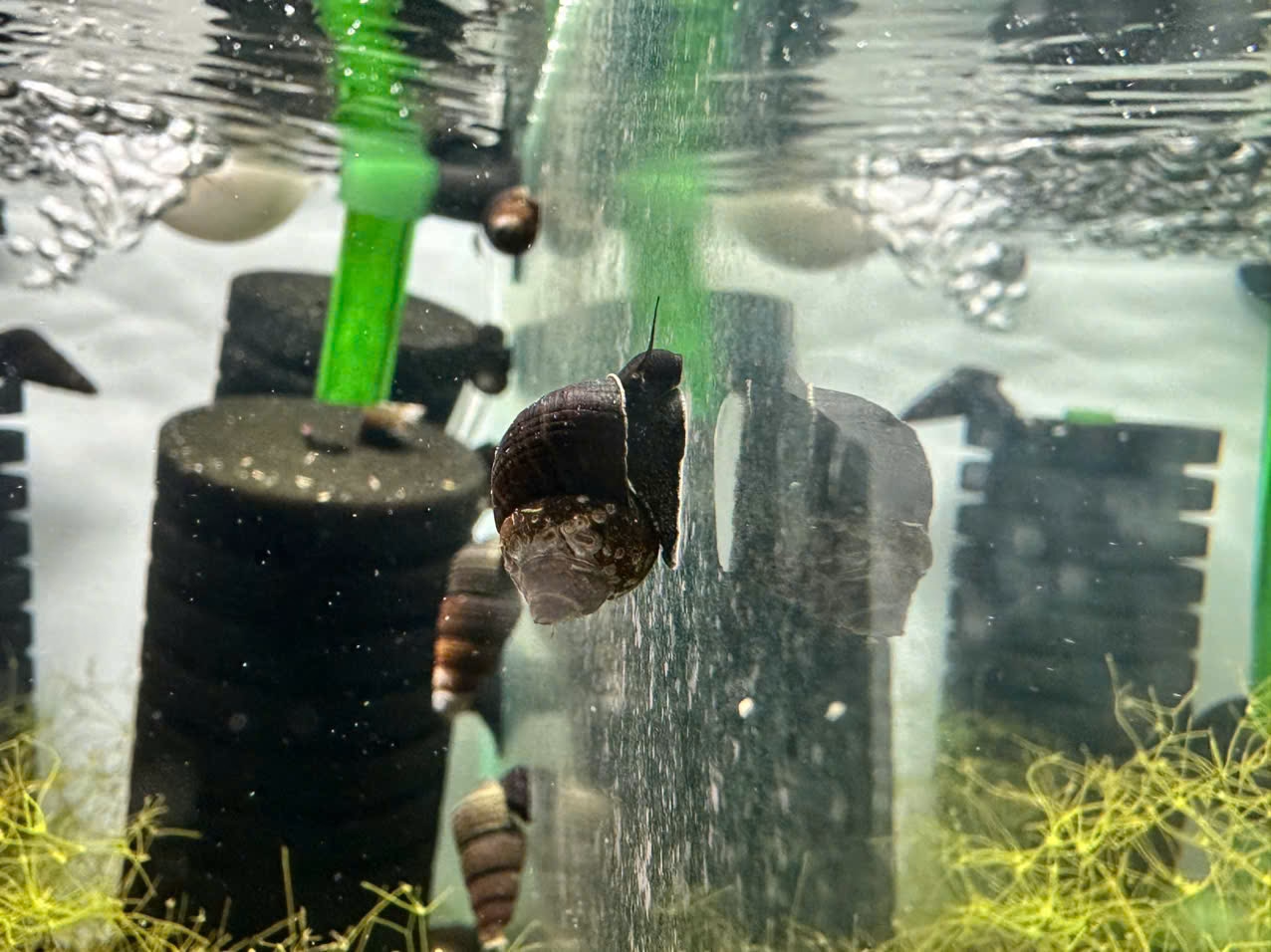
Triangel Rabbit Snail
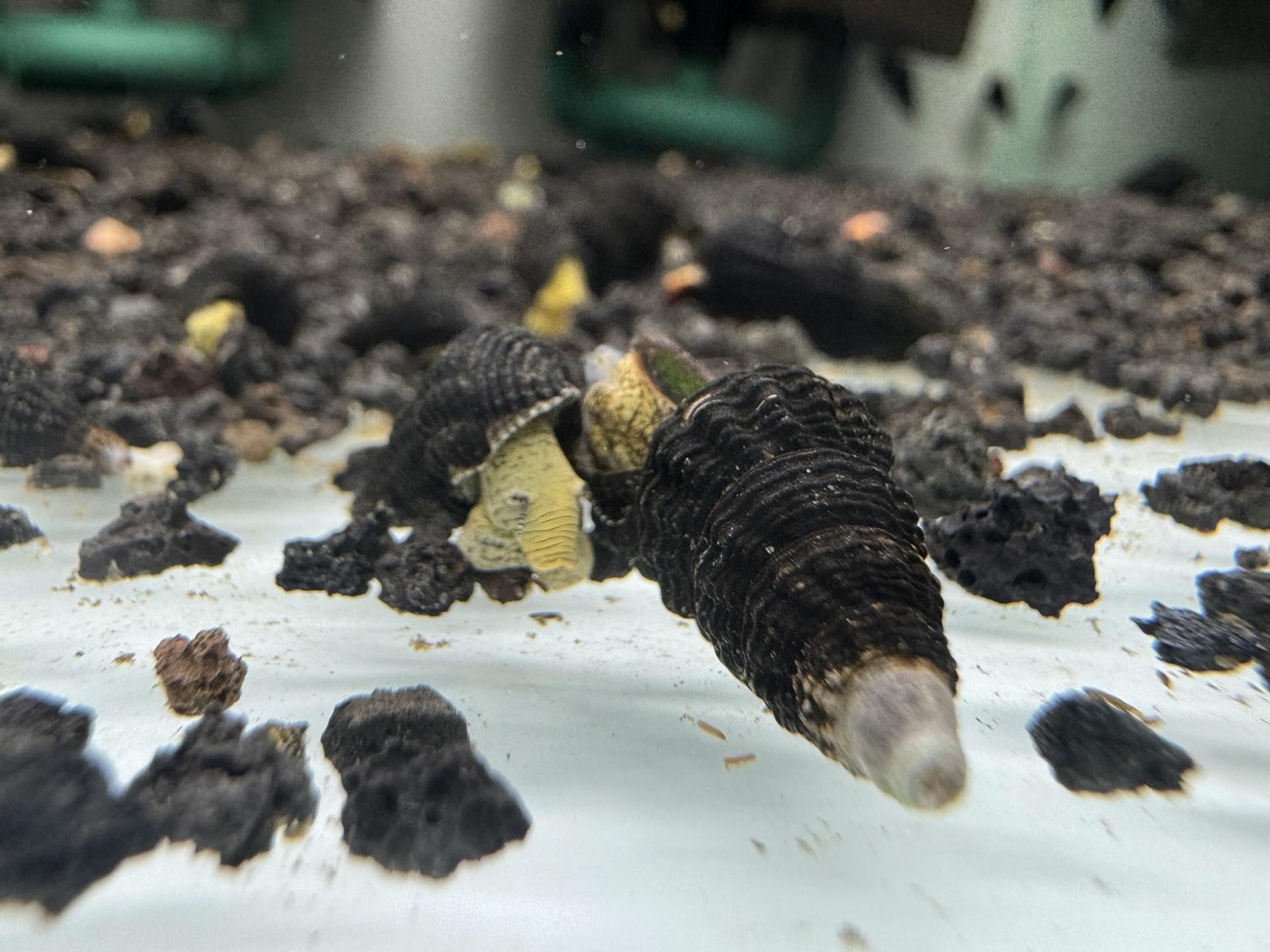
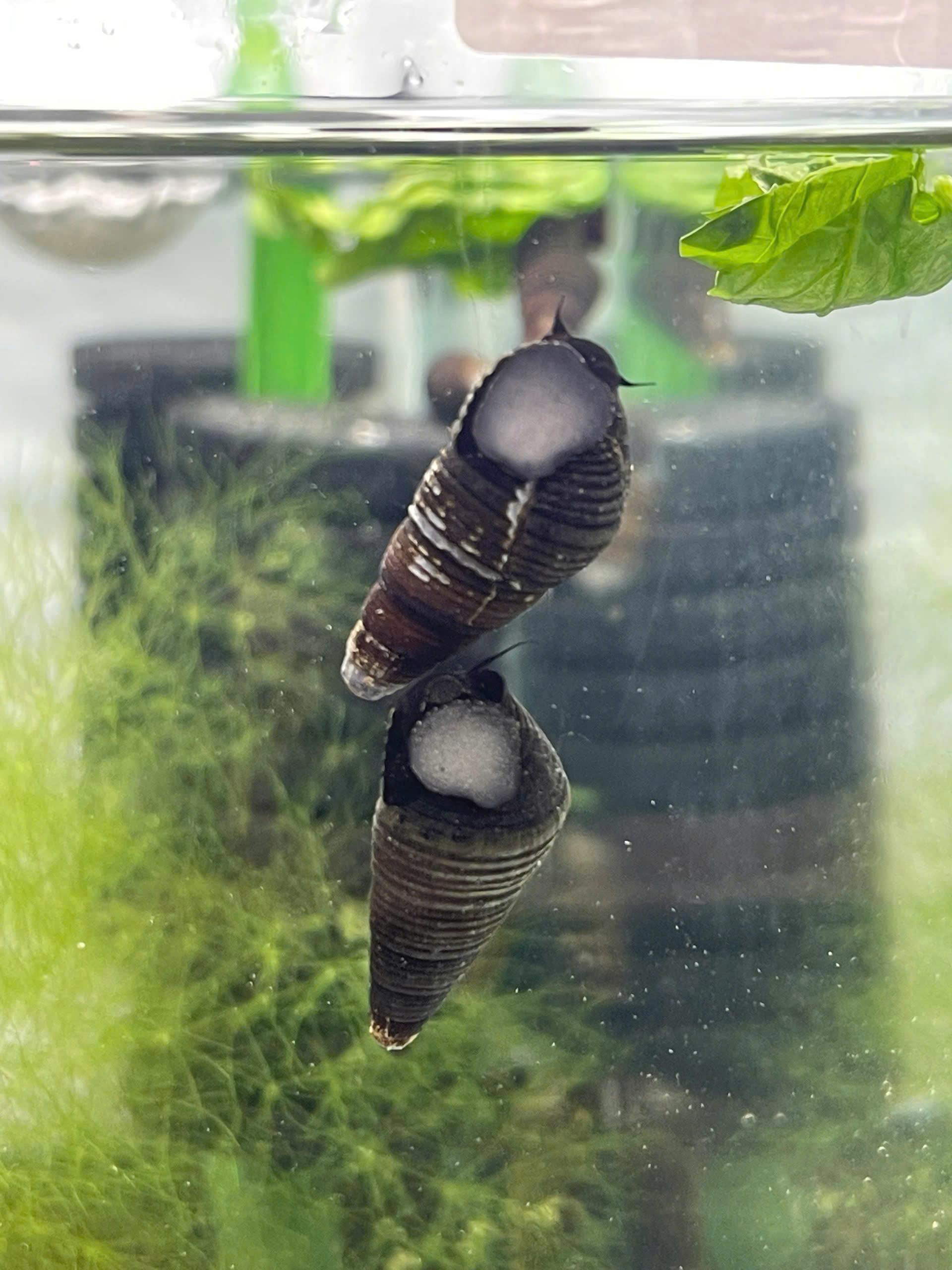
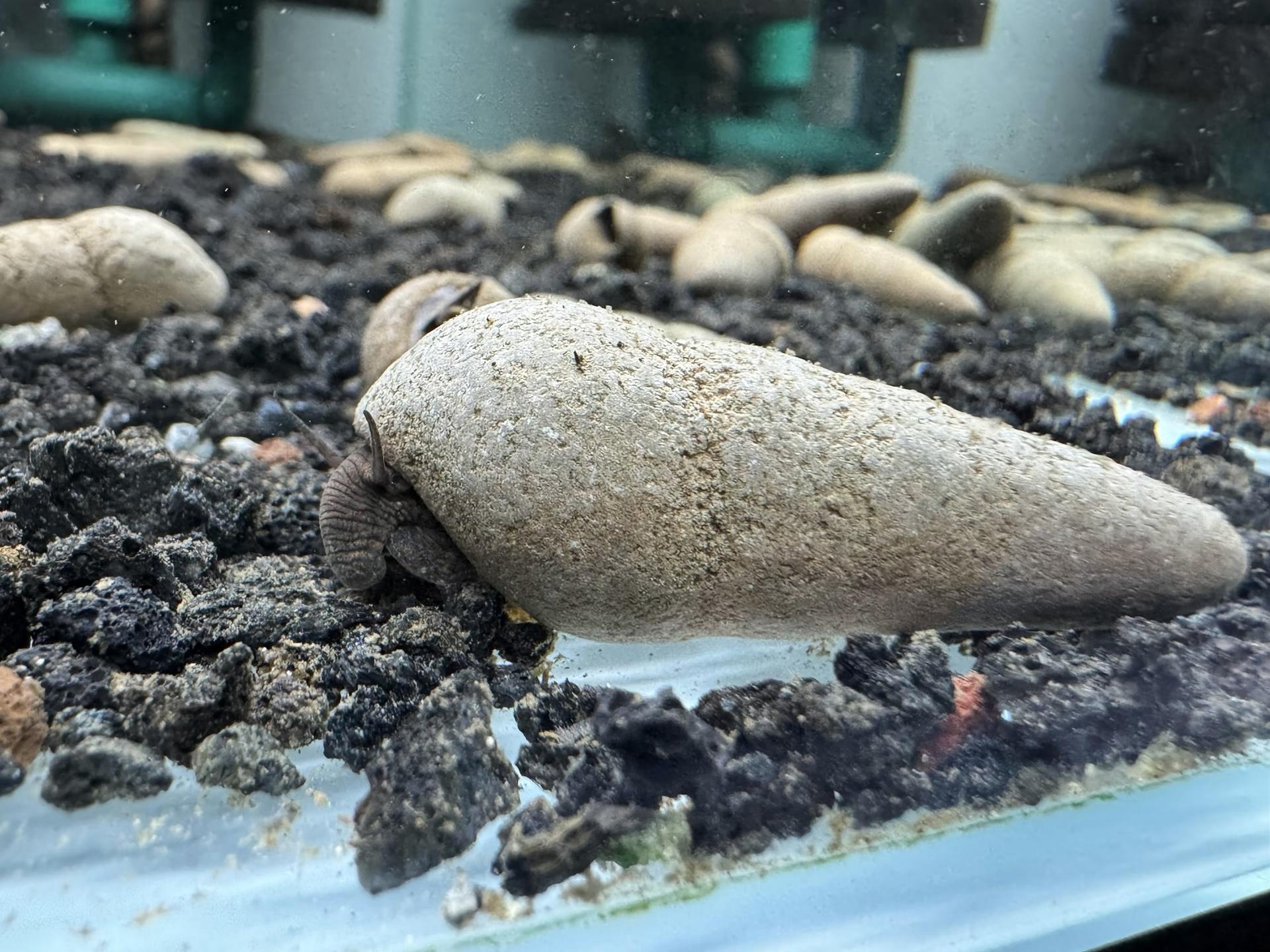
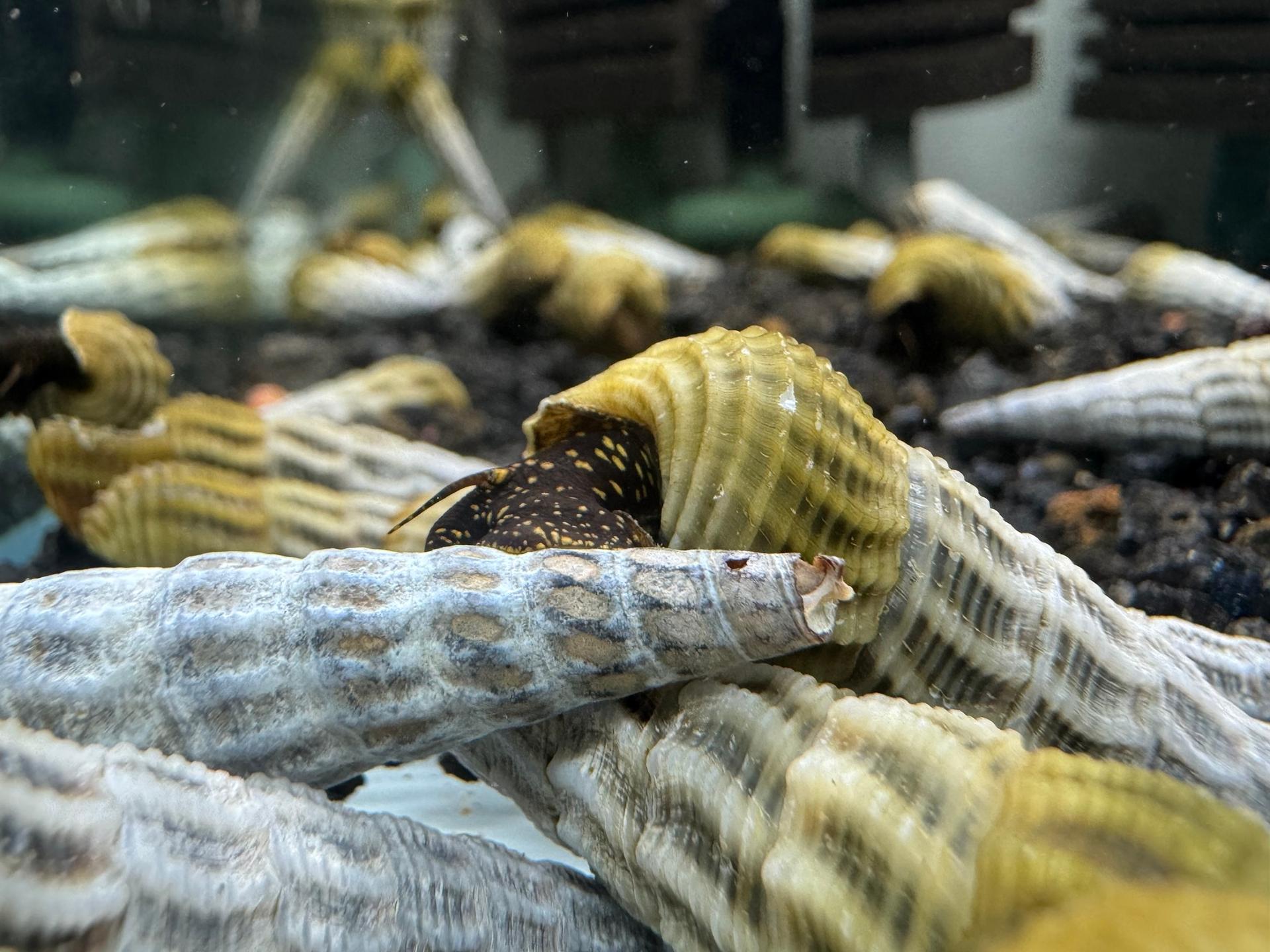
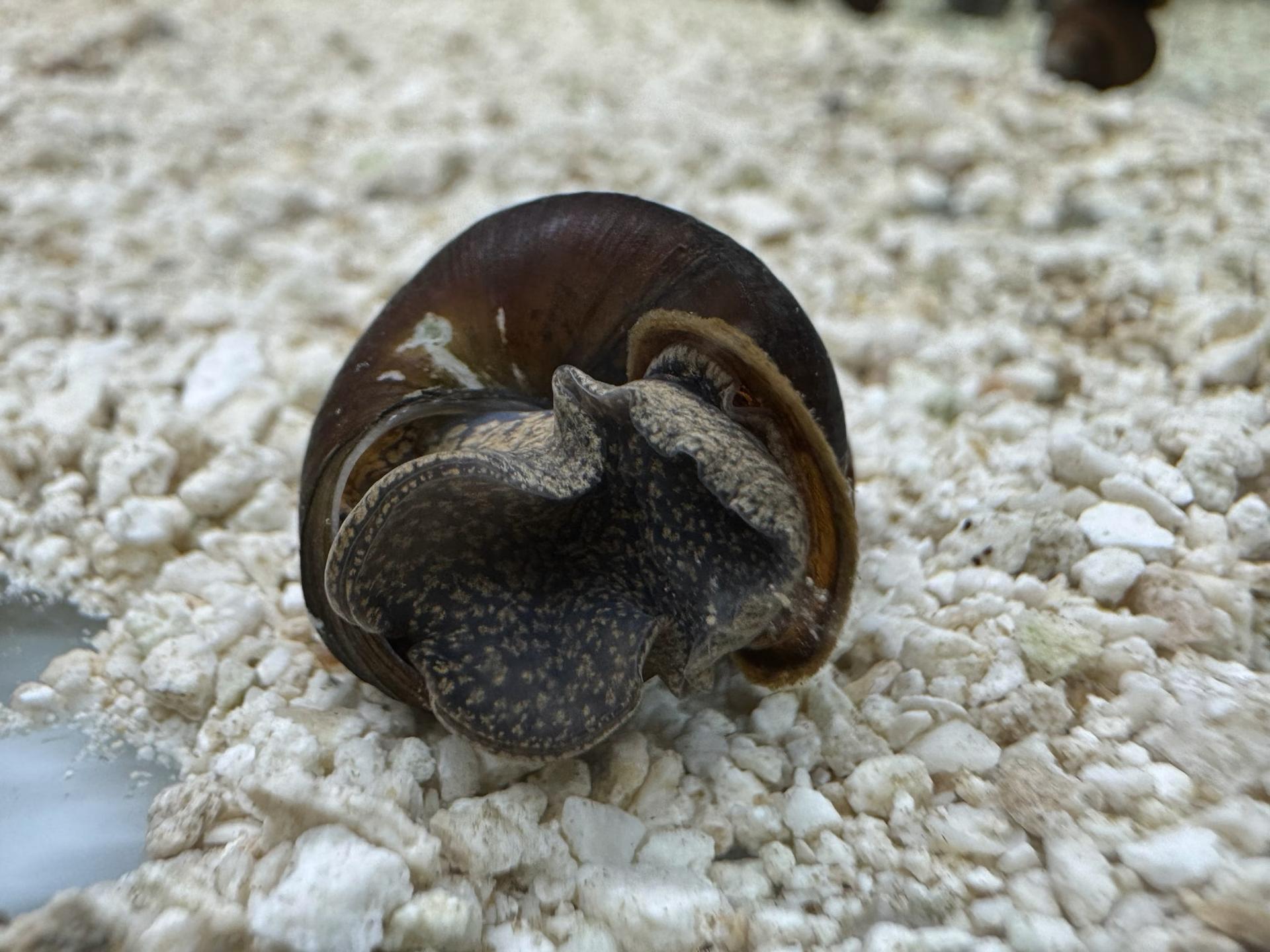
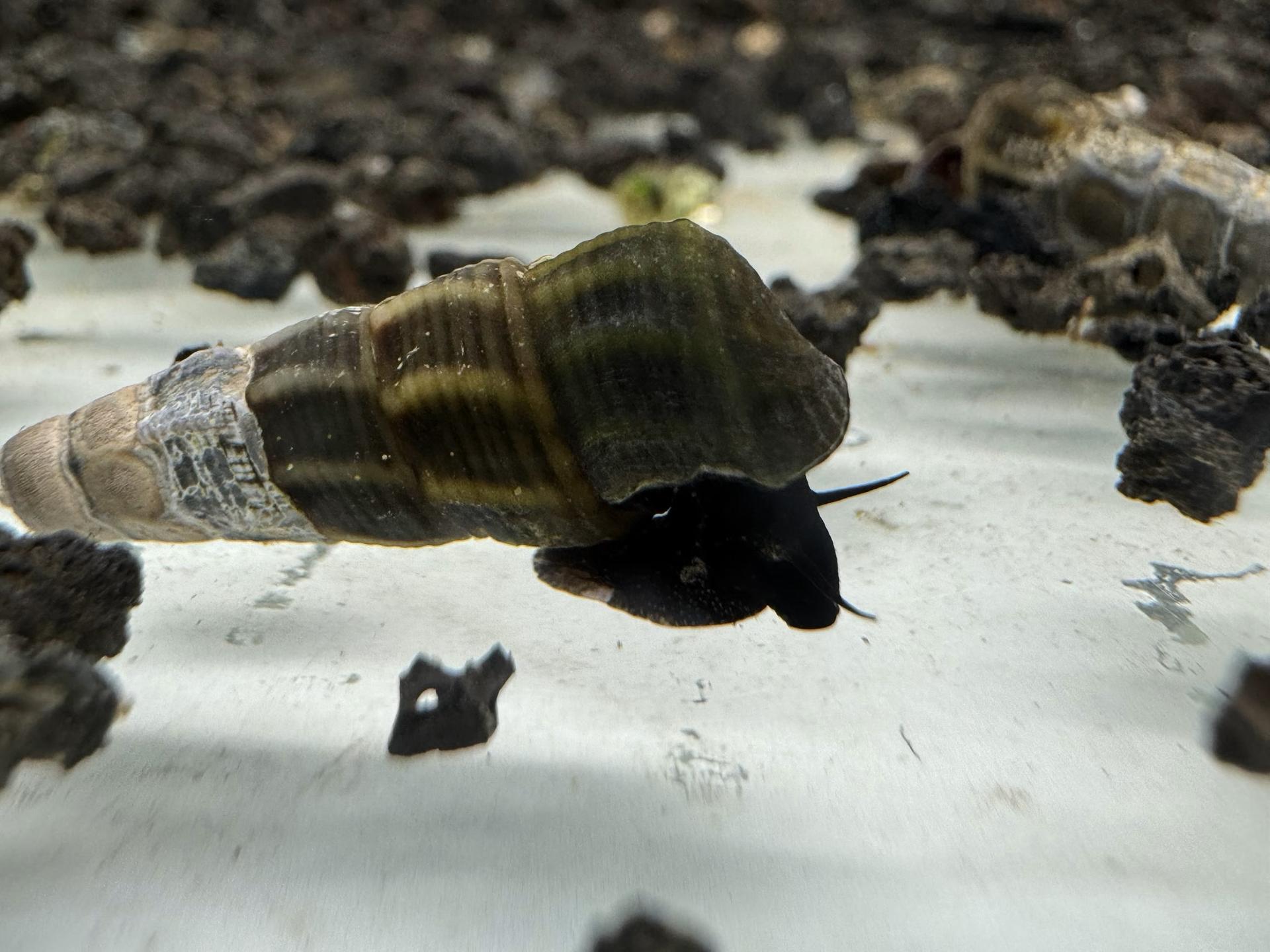
The 'triangle' name comes from the shell: short, squat, with a wide spire angle, more a blunt cone than the long tower most rabbit snails carry. And it is a river animal, not a lake animal — it lives on submerged logs in the lower Larona River.
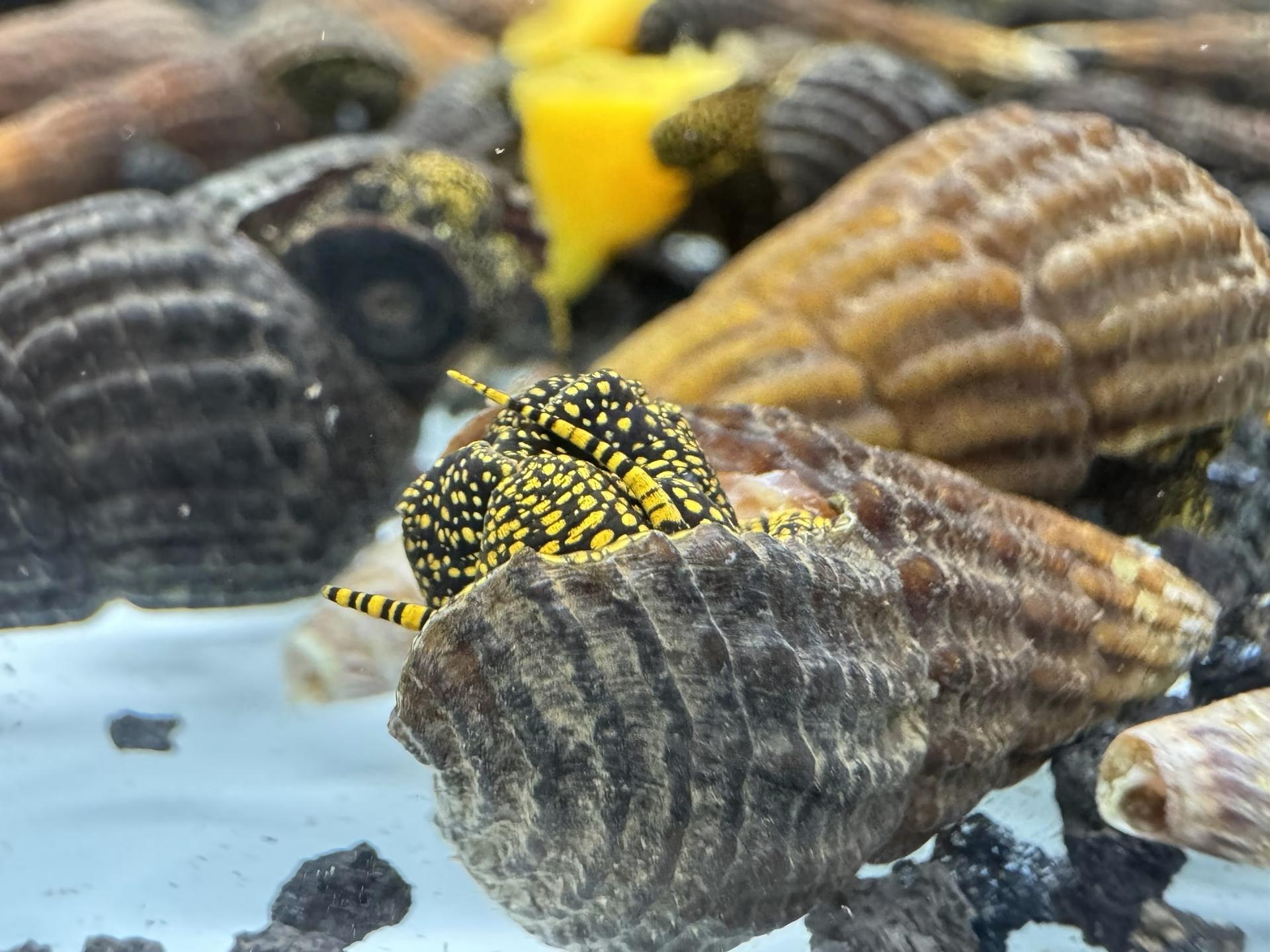
A rabbit snail is not a cleaning crew — it's a collector's animal, and it has to be kept like one.
The lower Larona — flowing water, not a lake
Tylomelania sinabartfeldi von Rintelen & Glaubrecht, 2008 was described from the lower reaches of the Larona River, the outflow of Lake Towuti in the Malili system. Its habitat is submerged logs in strong current at 0.1–1 m depth. The holotype measures just 24.0 × 18.5 mm with a spire angle of 45–85° — exactly the squat profile hobbyists call 'Triangel'. At least one US vendor sells the Triangle Rabbit Snail under this species name, which is why we write 'cf.': convincing, but not formally confirmed.
Identifying the Triangel
Ideal keeping conditions
The Sulawesi lakes are hot and alkaline but genuinely SOFT — Matano measures 28.7°C, pH 8.5, GH 7, KH 5 and around 87 ppm TDS. So do not chase a very high GH: a stable alkaline pH and enough KH to buffer it are what matter. Stability still beats perfect numbers.
KH is what keeps the shell intact. An eroded apex is completely normal on a wild-caught adult — the warning sign is fresh erosion or pitting at the NEW growth near the aperture, which means KH and minerals in the tank are dropping.
Triangel data
- Scientific name
- Tylomelania cf. sinabartfeldi
- Identification confidence
- Probable, not confirmed
- Origin
- Lower Larona River (Malili system)
- Shell size
- ~27mm
- Whole animal
- 3–5cm
- Where it sits
- Submerged wood in current
Wild species — natural profile
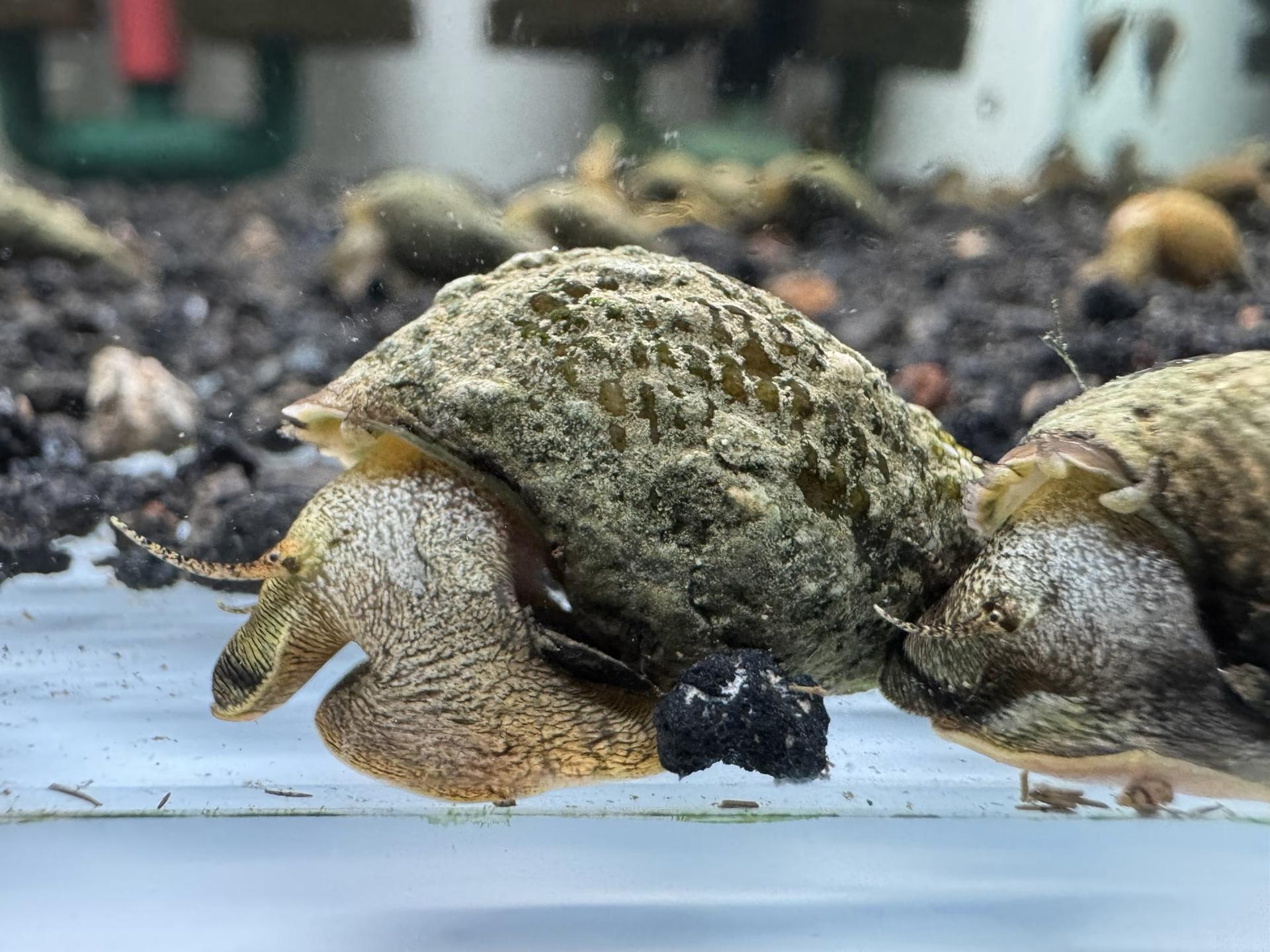
A wild-caught animal, and one of the very few rabbit snails on the market that is not a lake species — which changes how you should lay the tank out for it.
Why rabbit snails stay rare
Different Tylomelania species DO hybridise in aquaria. If you want to keep a line pure for breeding, keep one species per tank. Mixed-species tanks are for display only.
The matching set-up
Rabbit snails are NOT an algae crew. They graze biofilm and detritus, they will not clear a nuisance-algae problem, and they must be fed. Keeping them 'to clean the tank' is the single most common reason they quietly starve over a few months.
Omnivorous, mostly biofilm, detritus and blanched vegetables. Add White Powder + Yellow Powder 2–3 times a week, plus blanched pumpkin or cucumber for growth. A Sula Sand substrate holds the alkaline pH long-term and gives the soft-sediment species somewhere to plough for detritus.
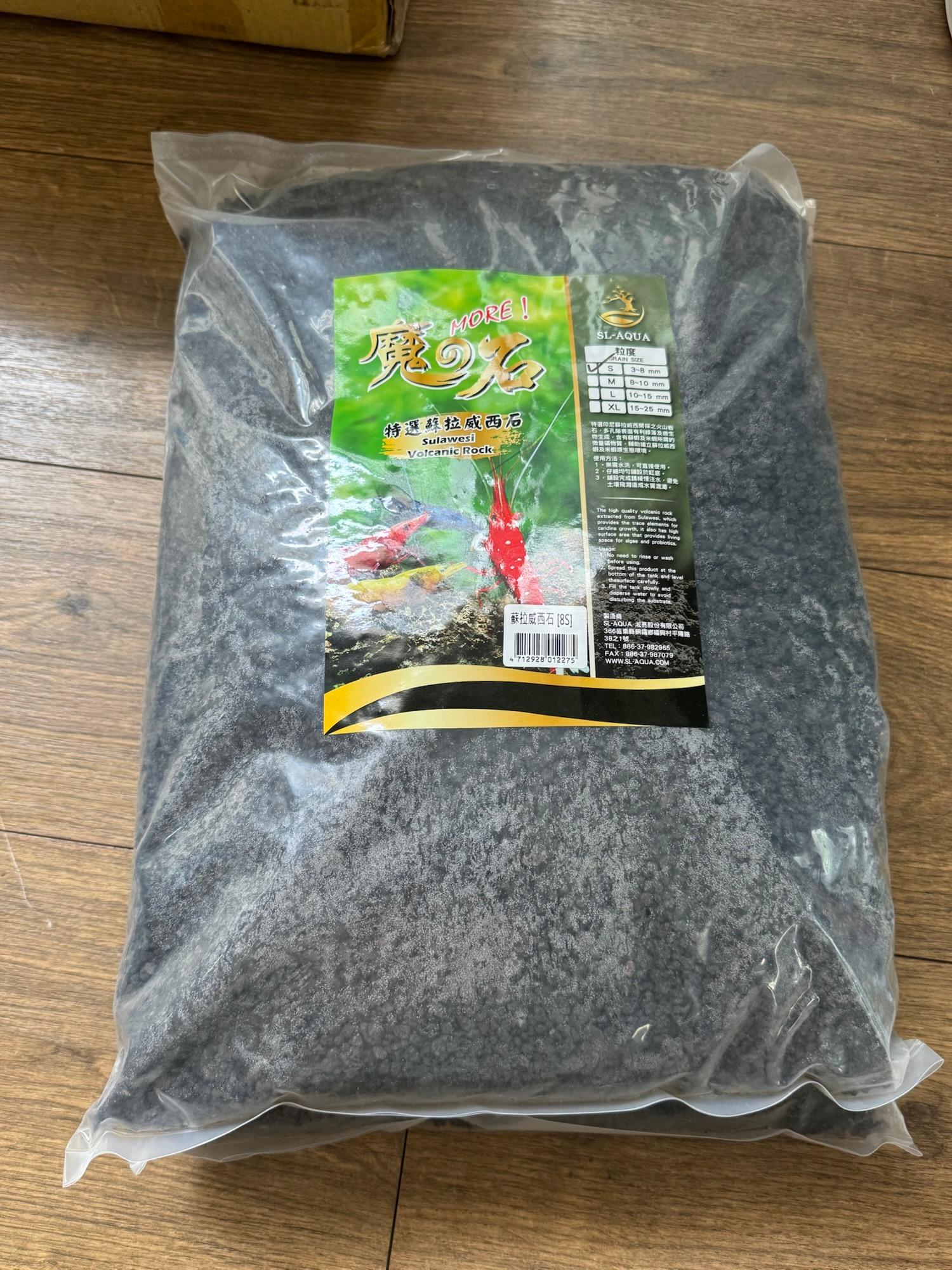 Sulawesi Volcanic Rock - Nền Sula Sand (Nhập khẩu chính ngạch)1.200.000 ₫View product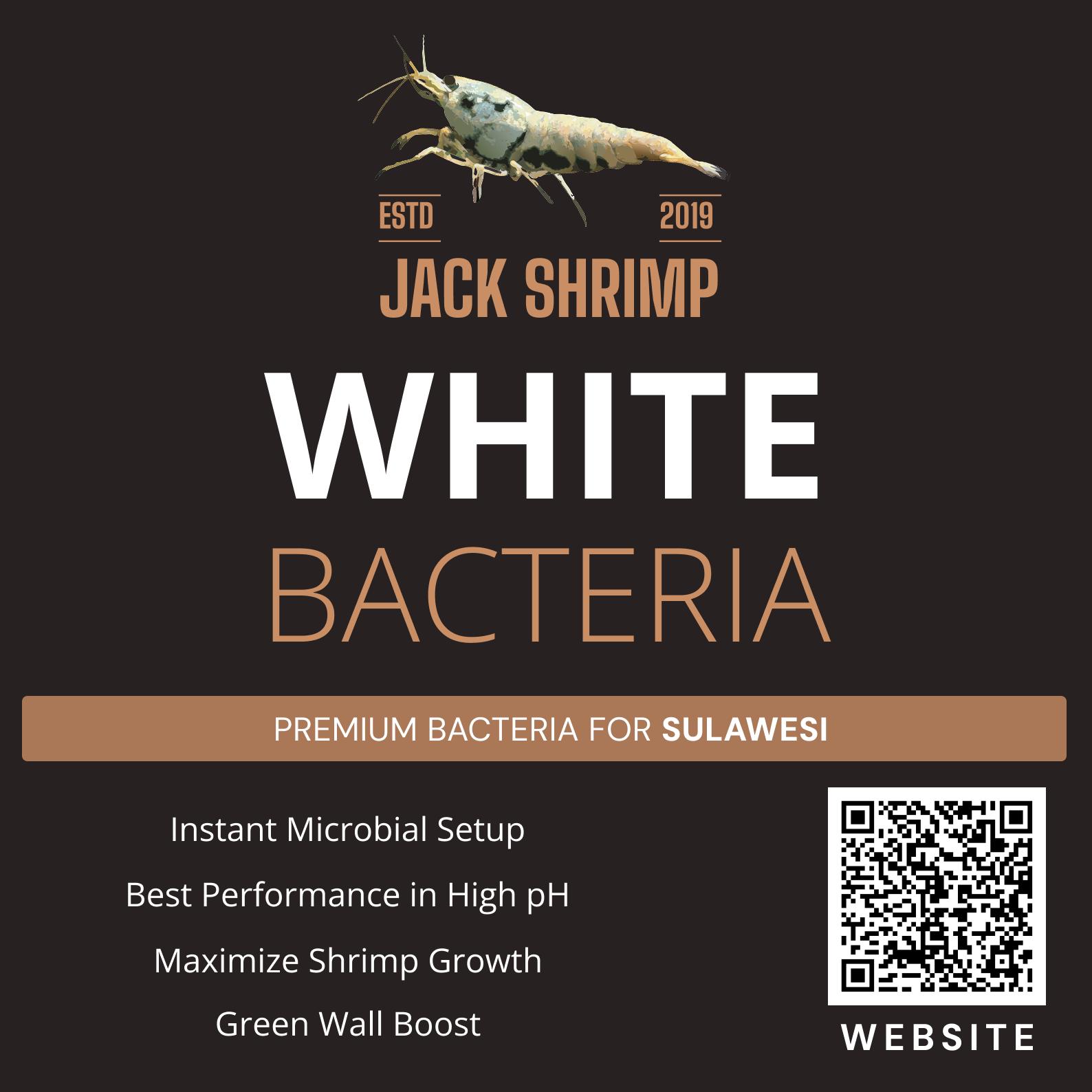
New to Sulawesi tanks?
Read the full Jack Shrimp guide to setting up a Sulawesi tank: substrate, hardscape, cycling and safe acclimation for snails and shrimp.
Read the set-up guide