🚚 Free city delivery on orders over 2,000,000₫ · nationwide air shipping over 5,000,000₫🛡️ 100% live-arrival guarantee⚡ 2-hour in-city delivery
PRODUCT

Ốc Sula Chấm Trắng - White Dot Rabbit Snail - Tép Sulawesi

$5.00

In stock

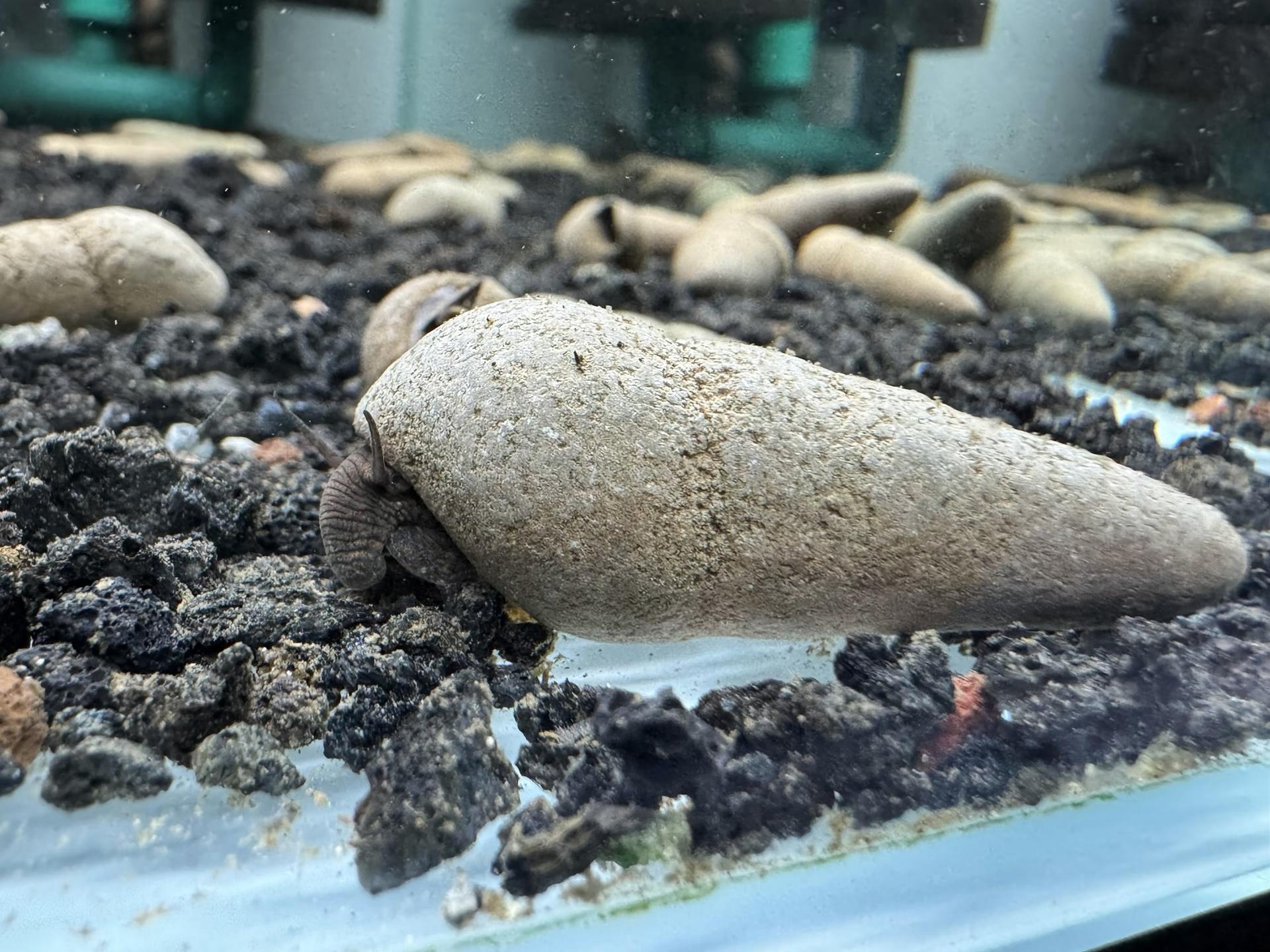
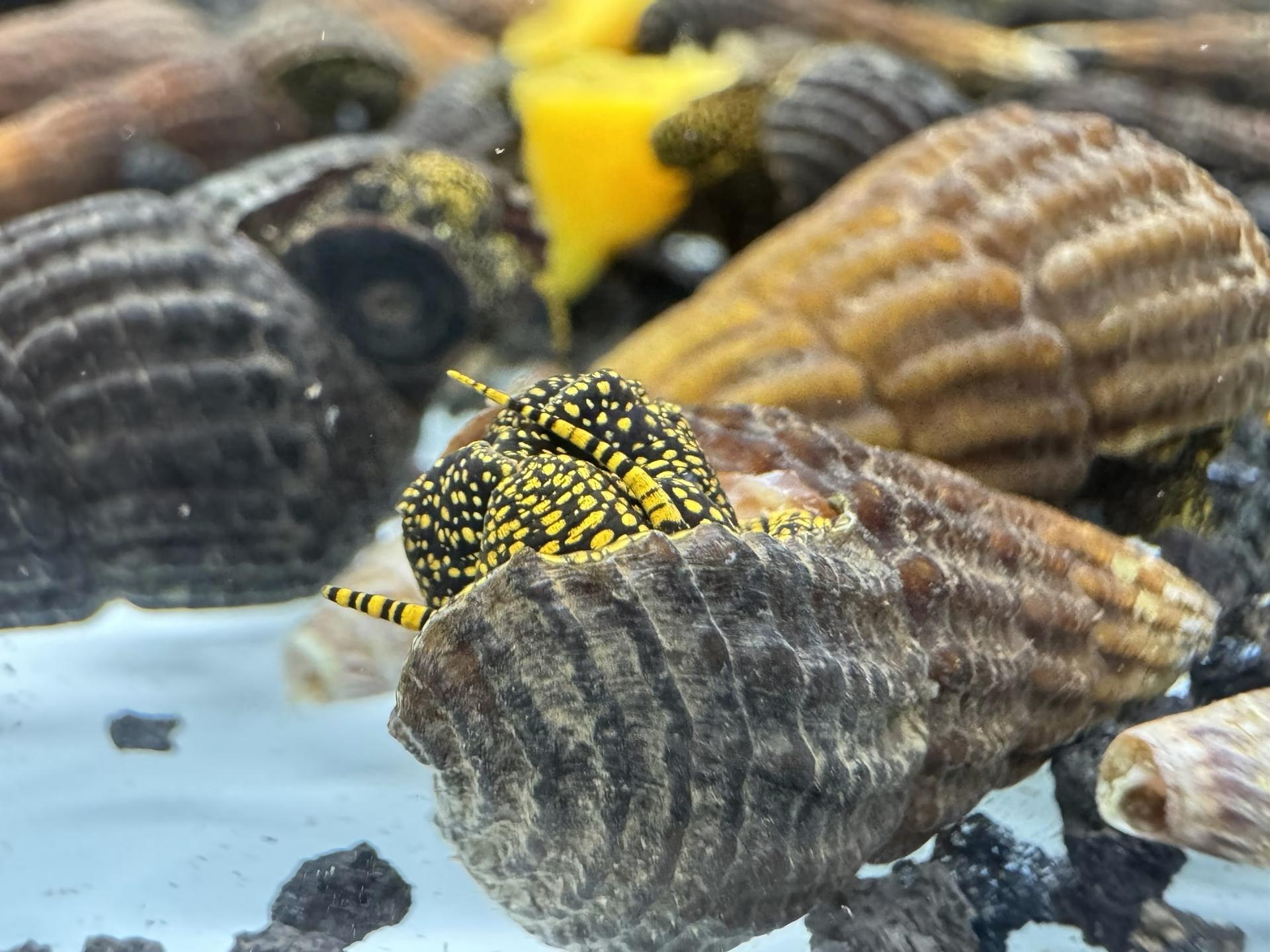
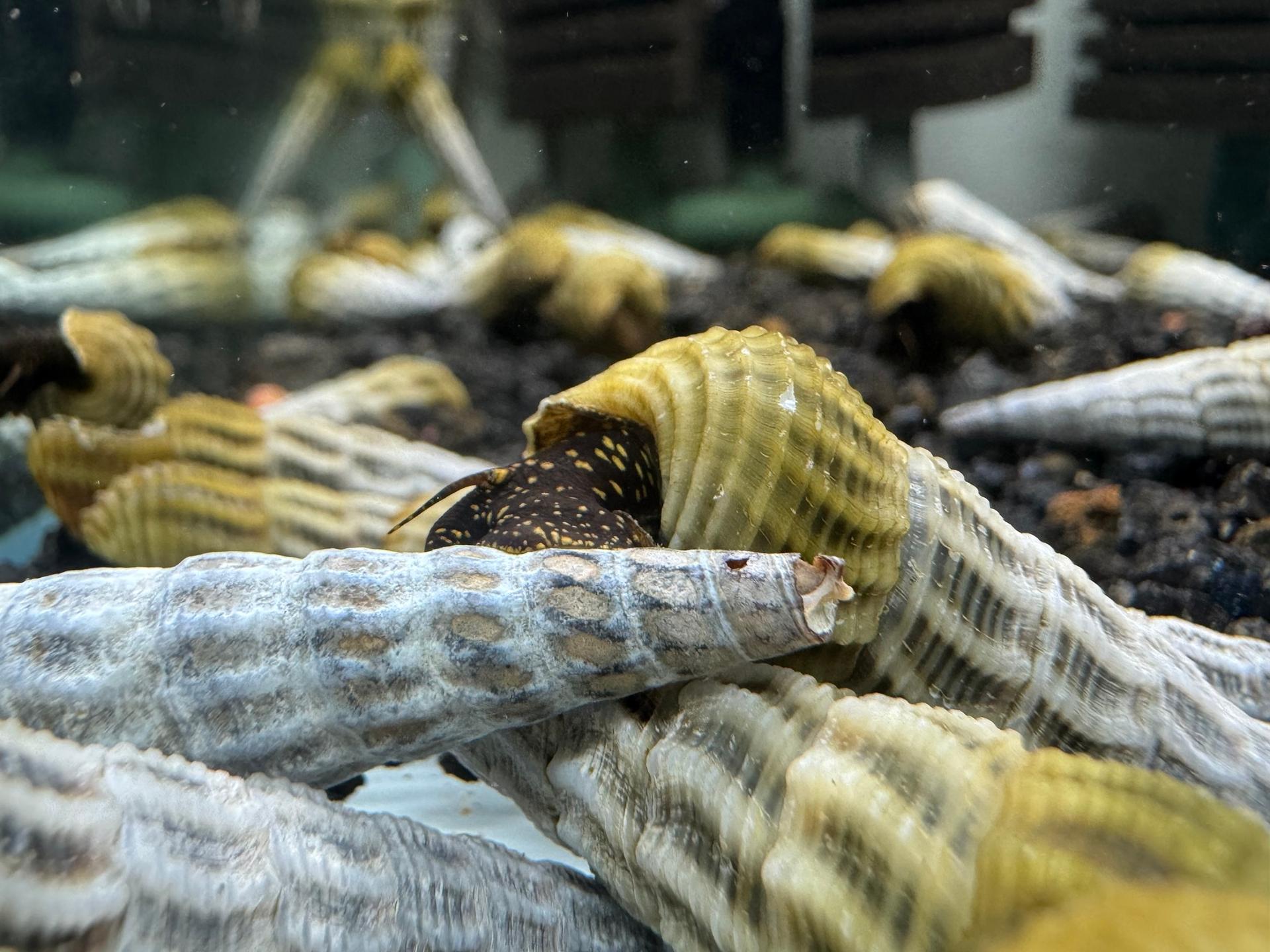
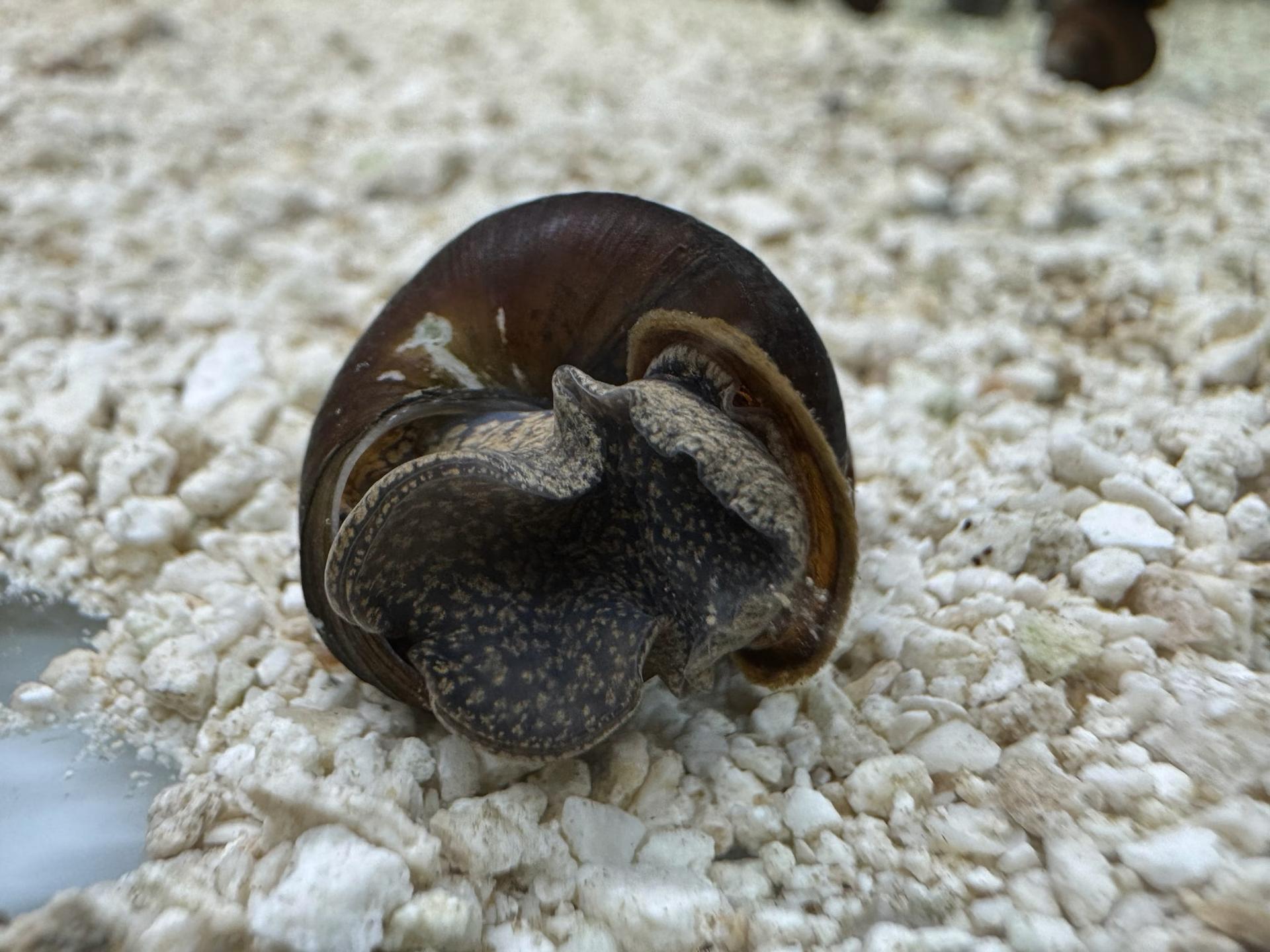
Ốc Sula Chấm Trắng (White Dot / Rabbit Snail) thân sẫm điểm chấm trắng, dáng thỏ đáng yêu, ăn tảo và mùn bã cho hồ Sulawesi. Có 2 size: Nhỏ và Lớn. Điều kiện nuôi pH 7.8–8.5 · TDS 150–250 · Nhiệt độ 27–30°C Ốc Sulawesi ăn tảo, mùn bã và thức ăn thừa — “đội vệ sinh” tự nhiên cho hồ Sula, đồng thời rất decor. Cần nước kiềm ổn định và bổ sung canxi để vỏ chắc, đẹp.

Size

Unavailable

🚚 Free city delivery on orders over 2,000,000₫ · nationwide air shipping over 5,000,000₫
🛡️ 100% live-arrival guarantee
⚡ 2-hour in-city delivery
WHOLESALEFor dealers & shrimp farmsAlways our best wholesale price — message us with your quantity.Get wholesale pricing

Collections

Sulawesi Snail · Lake Matano
Tylomelania cf. patriarchalis

White Dot Rabbit Snail

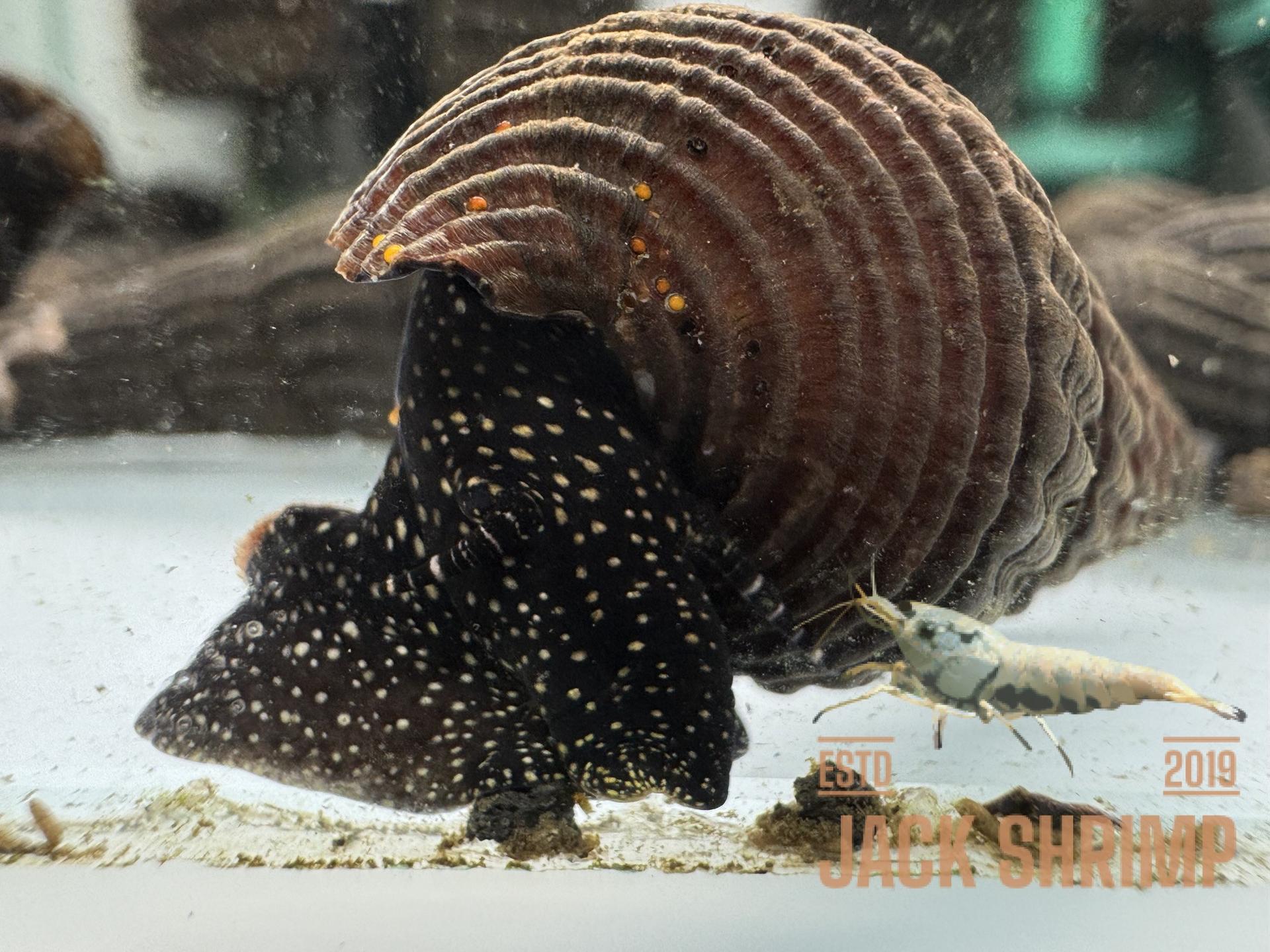
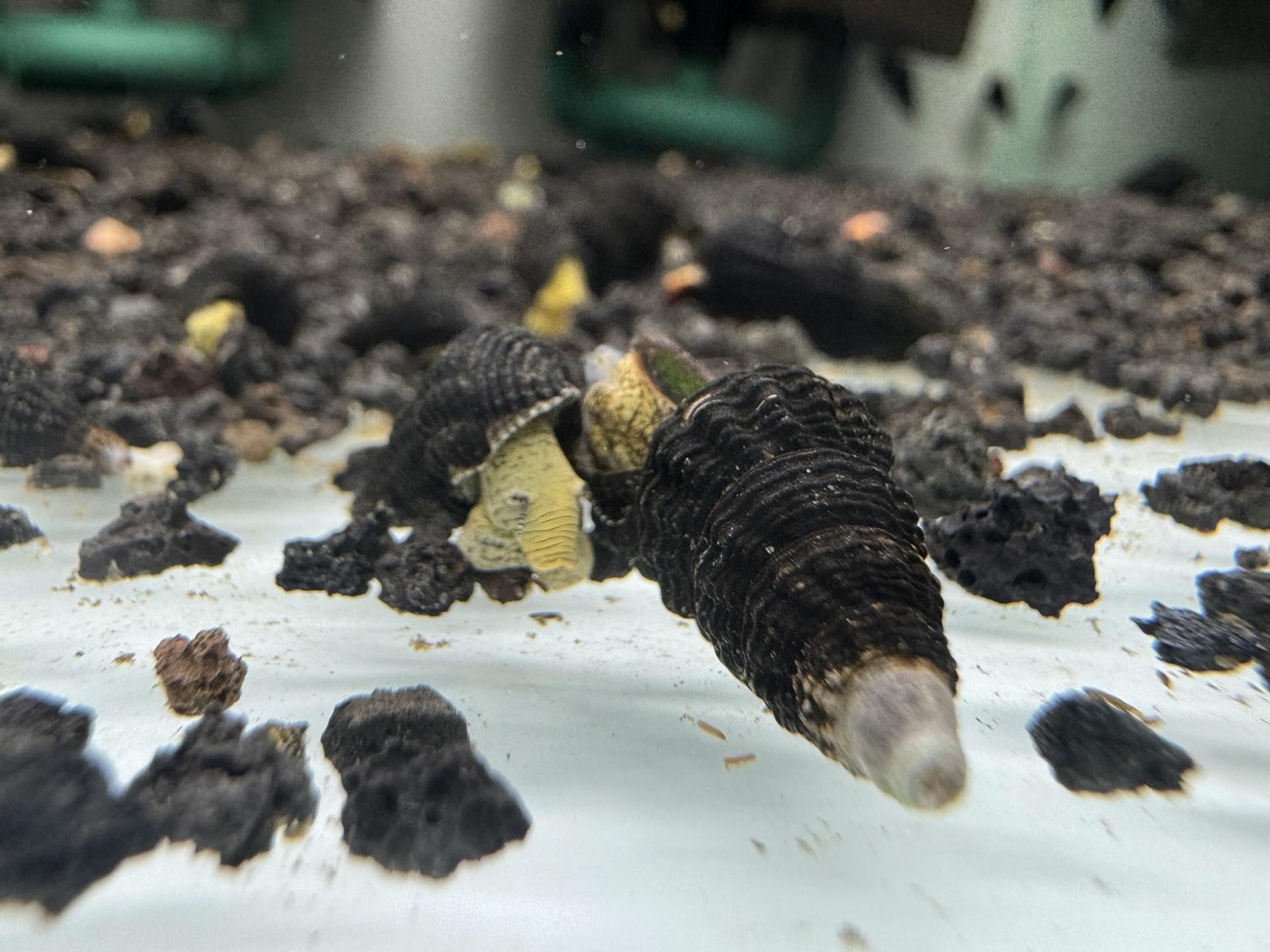
A black body marbled in grey and dusted with fine white dots across head, foot and mantle edge, under a heavy, glossy black conical shell. This is one of the giants of the genus at 6–10 cm, and it carries the most defensible scientific name on this list.

White dots on blackLake Matano6–10 cm, a large form

A rabbit snail is not a cleaning crew — it's a collector's animal, and it has to be kept like one.

— Jack Shrimp Farm
ORIGIN

Lake Matano — and why the 'cf.' stays on

Tylomelania patriarchalis, described by Sarasin & Sarasin in 1897, is a Lake Matano endemic in the Malili system — not a Poso animal. The original description records a black, marbled body with white punctuations, which matches the trade snail well, and several independent sources use the name consistently. We still write 'cf.' because undescribed white-spotted forms exist, including a 'Poso 4 – White', so a batch labelled White Dot may not be one single species.

DISTRIBUTION MAP
HỒ POSOHỒ MATANOMAHALONAHỒ TOWUTISULAWESI · INDONESIA

An ancient cradle

Sulawesi shrimp are endemic to a handful of ancient tectonic lakes — 1–4 million years old, among the oldest freshwater lakes on earth.

Lake MatanoHome of Cardinal & White Sock (C. dennerli)
Lake PosoHome of White Orchid, Blue Legs (C. “Poso”)
Towuti · MahalonaThe Malili lake system, linked by rivers
IDENTIFICATION

Identifying the White Dot

⚪Fine white dotsA black body with white-grey marbling plus small, evenly scattered white dots on head, foot and mantle edge. Up close it reads as a miniature night sky.
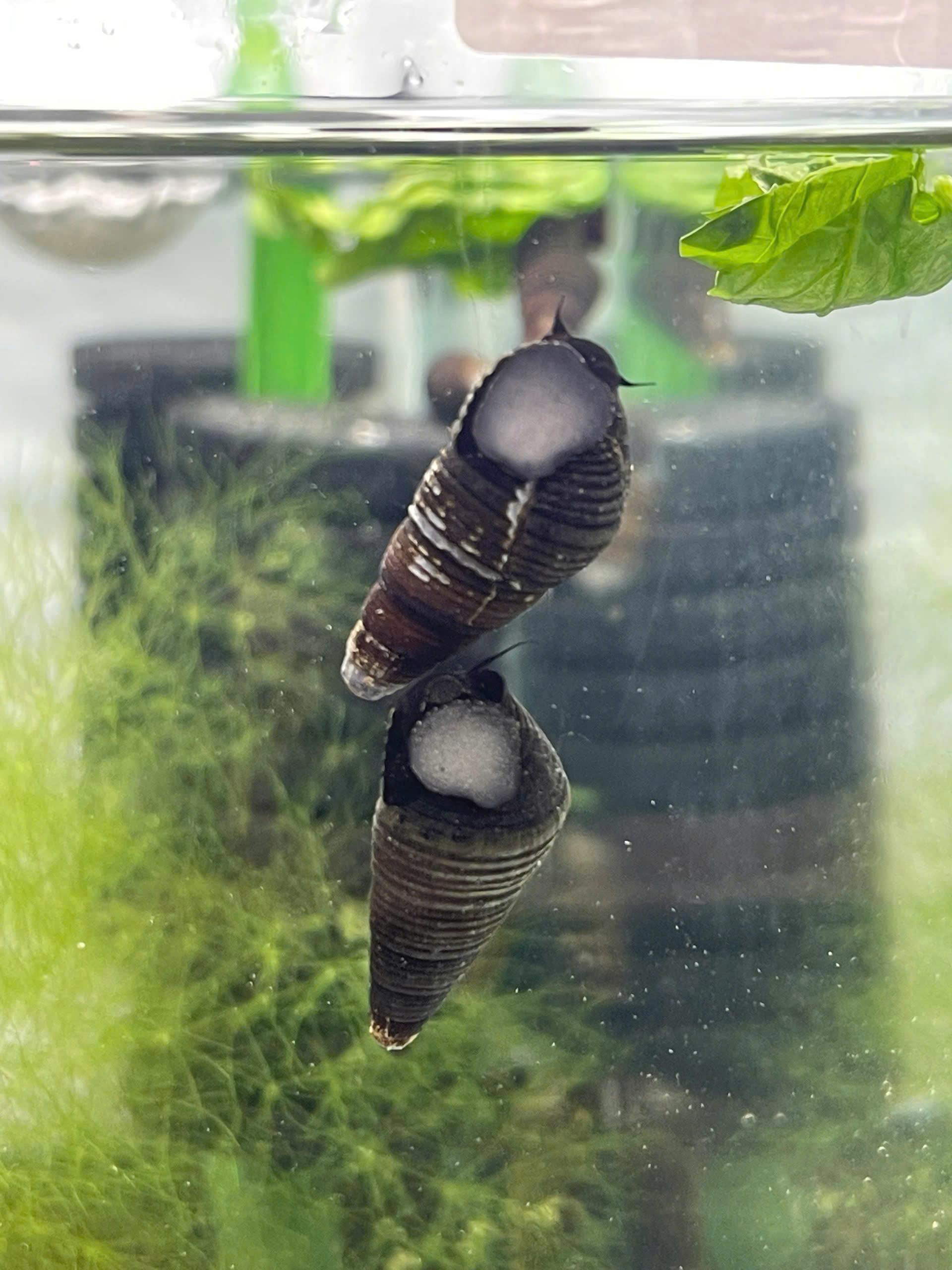
🐚Heavy black shellElongate conical, dark brown to black, and noticeably thicker and more robust than most rabbit snails. Adults usually show an apex worn to a pale stump.
📏Reaches 6–10 cmOne of the largest species in the genus. At that size the tank should be 60–80 cm long or more, with plenty of rock surface for it to work over.
🪨A hard-substrate grazerIt has a robust radula and lives around rocks over sand and silt at 0–10 m. In the tank it needs rock and wood carrying mature biofilm, not bare sand alone.
WATER

Ideal keeping conditions

26–30°
Temp C
7.5–8.5
pH
100–200
TDS ppm
6–12
GH
3–8
KH

The Sulawesi lakes are hot and alkaline but genuinely SOFT — Matano measures 28.7°C, pH 8.5, GH 7, KH 5 and around 87 ppm TDS. So do not chase a very high GH: a stable alkaline pH and enough KH to buffer it are what matter. Stability still beats perfect numbers.

SHELL

KH is what keeps the shell intact. An eroded apex is completely normal on a wild-caught adult — the warning sign is fresh erosion or pitting at the NEW growth near the aperture, which means KH and minerals in the tank are dropping.

SPECIES DATA

White Dot data sheet

Species data
Scientific name
Tylomelania cf. patriarchalis
Identification confidence
Likely, not confirmed
Origin
Lake Matano, Malili system
IUCN Red List
Endangered
Adult size
6–10cm
Preferred substrate
Rock over sand and silt

Wild species — natural profile

Lake Matano is 590 m deep, one of the ten deepest lakes on Earth, and holds seven Tylomelania species of which six live nowhere else. The White Dot is among the largest of them.

Origin: Lake Matano in South Sulawesi, part of the Malili lake system. Endemism here is very high, and this animal does not occur in Lake Poso whatever a listing may say.
Natural habitat: It lives around rock over sand and silt at 0–10 m. Matano measures 28.7°C, pH 8.5, GH 7 and about 87 ppm TDS — hot and alkaline, yet genuinely soft water.
Behaviour & diet: A hard-substrate grazer with a robust radula, rasping biofilm and attached algae off stone. The thick shell is the product of millions of years of molluscivorous crabs.
Conservation: T. patriarchalis is listed Endangered by the IUCN, and nearly all rabbit snails in the trade are wild-caught. Growing them on and breeding them is the responsible way to buy.
Keeping note: This size needs a long tank, stacked rock and a fine sand bed. Never keep it bare-bottomed: a rock grazer with no grazing surface starves very slowly and very quietly.
BREEDING & SHELL

Why rabbit snails stay rare

🍼Live-bearing, not egg-layingMales and females are separate animals; the female broods in a uterine pouch and releases one fully-shelled crawl-away juvenile.
1️⃣One baby at a timeAbout one juvenile per female every 4–6 weeks (broods hold 1–7). This is exactly why rabbit snails stay rare and expensive.
🐢Very slow growthRoughly a year and about 4 cm to reach maturity. Lifespan 1–3 years, with records up to 5.
🐚Shell & mineralsHold KH 3–8 and feed enough calcium. An eroded apex is normal; erosion on new shell growth is the alarm.
HYBRIDISATION

Different Tylomelania species DO hybridise in aquaria. If you want to keep a line pure for breeding, keep one species per tank. Mixed-species tanks are for display only.

FOOD & SET-UP

The matching set-up

COMMON MISTAKE

Rabbit snails are NOT an algae crew. They graze biofilm and detritus, they will not clear a nuisance-algae problem, and they must be fed. Keeping them 'to clean the tank' is the single most common reason they quietly starve over a few months.

FEEDING

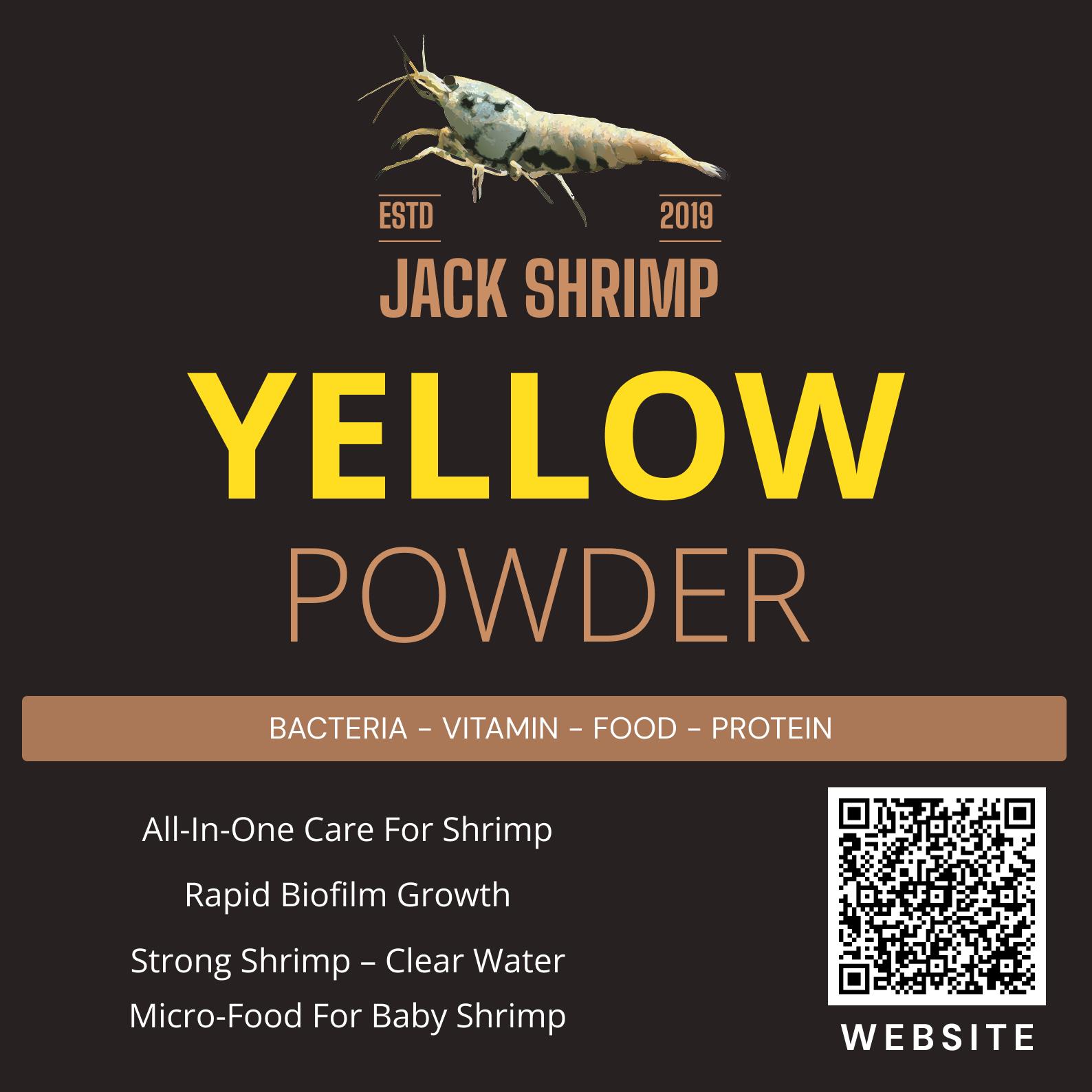
Omnivorous, mostly biofilm, detritus and blanched vegetables. Add White Powder + Yellow Powder 2–3 times a week, plus blanched pumpkin or cucumber for growth. A Sula Sand substrate holds the alkaline pH long-term and gives the soft-sediment species somewhere to plough for detritus.
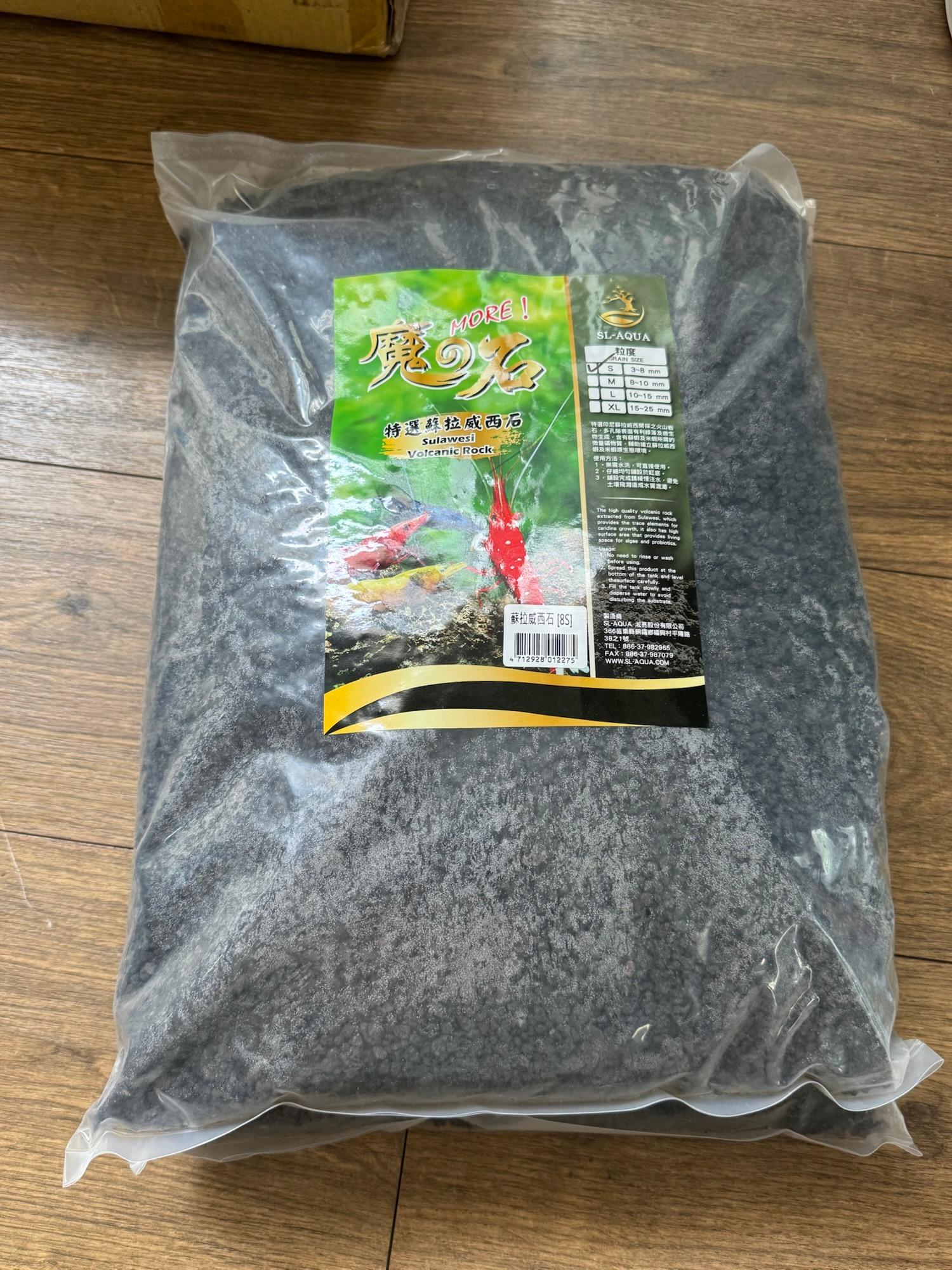
Sulawesi Volcanic Rock - Nền Sula Sand (Nhập khẩu chính ngạch)Sulawesi Volcanic Rock - Nền Sula Sand (Nhập khẩu chính ngạch)1.200.000 ₫View product

New to Sulawesi tanks?

Read the full Jack Shrimp guide to setting up a Sulawesi tank: substrate, hardscape, cycling and safe acclimation for snails and shrimp.

Read the set-up guide
FAQ

Frequently asked questions

Not especially hard, but it needs the right housing. The main issue is scale: at 6–10 cm it eats more, needs far more rock surface and loads the tank faster than the small forms. Anything under 60 cm of tank length is cramped. Beyond that, hold KH steady — a shell that heavy needs a constant mineral supply to maintain.

26–30°C, pH 7.5–8.5, GH 6–12, KH 3–8, TDS 100–200 ppm and nitrate under 10 ppm. The wild lakes are hot and alkaline but soft, so do not push GH very high — holding enough KH and keeping the parameters steady is what protects the shell.

Rabbit snails do not control nuisance algae and must be fed. Give White Powder + Yellow Powder 2–3 times a week, alternating with blanched pumpkin, cucumber or carrot. The more biofilm on the rock and substrate the better. Keeping them 'to clean the tank' is the number one reason they starve.

An excellent match for wild Sulawesi shrimp, since they share Matano water. Avoid crayfish, loaches and large fish. One caution of its own: the trade's Black Dov also usually shows fine white dots and is easily confused with this animal, so if you are keeping breeders the two must live in separate tanks.

Males and females are separate animals, and they give birth rather than lay eggs. The female broods in a uterine pouch and releases a single fully-shelled crawl-away juvenile, on average one every 4–6 weeks. They need about a year and roughly 4 cm to reach maturity. Breeding is genuinely slow, which is why rabbit snails stay rare.

We pack with pure oxygen and ship nationwide. Free nationwide air shipping on orders from 5,000,000₫, and free intra-city delivery on orders from 2,000,000₫. Live arrival is guaranteed — film one continuous unboxing video to claim a replacement.

WHAT BUYERS SAY

Customer reviews

No reviews yet for this product.

YOU MIGHT ALSO LIKE

Related products

Ốc Sula Mini Tylo Poso - Rabbit Snail - Tép Sulawesi

Ốc Sula Mini Tylo Poso - Rabbit Snail - Tép Sulawesi

$5.00

In stock
Choose options
Ốc Sula Black Dov - Rabbit Snail - Tép Sulawesi

Ốc Sula Black Dov - Rabbit Snail - Tép Sulawesi

$5.00

In stock
Choose options
Ốc Sula Chocolate - Chocolate Striped Rabbit Snail - Tép Sulawesi

Ốc Sula Chocolate - Chocolate Striped Rabbit Snail - Tép Sulawesi

$5.00

In stock
Choose options
Ốc Sula Đốm Vàng Golden Spot - Golden Spot Rabbit Snail - Tép Sulawesi

Ốc Sula Đốm Vàng Golden Spot - Golden Spot Rabbit Snail - Tép Sulawesi

$5.00

In stock
Choose options
Ốc Sula Marwoto - Rabbit Snail - Tép Sulawesi

Ốc Sula Marwoto - Rabbit Snail - Tép Sulawesi

$5.00

In stock
Choose options
Ốc Sula Blue Berry - Rabbit Snail - Tép Sulawesi

Ốc Sula Blue Berry - Rabbit Snail - Tép Sulawesi

$5.00

In stock
Choose options
Ốc Sula Black Tominanga - Rabbit Snail - Tép Sulawesi

Ốc Sula Black Tominanga - Rabbit Snail - Tép Sulawesi

$5.00

In stock
Choose options
Ốc Sula Rigget - Rigget Rabbit Snail - Tép Sulawesi

Ốc Sula Rigget - Rigget Rabbit Snail - Tép Sulawesi

$5.00

In stock
Choose options