🚚 Free city delivery on orders over 2,000,000₫ · nationwide air shipping over 5,000,000₫🛡️ 100% live-arrival guarantee⚡ 2-hour in-city delivery
PRODUCT

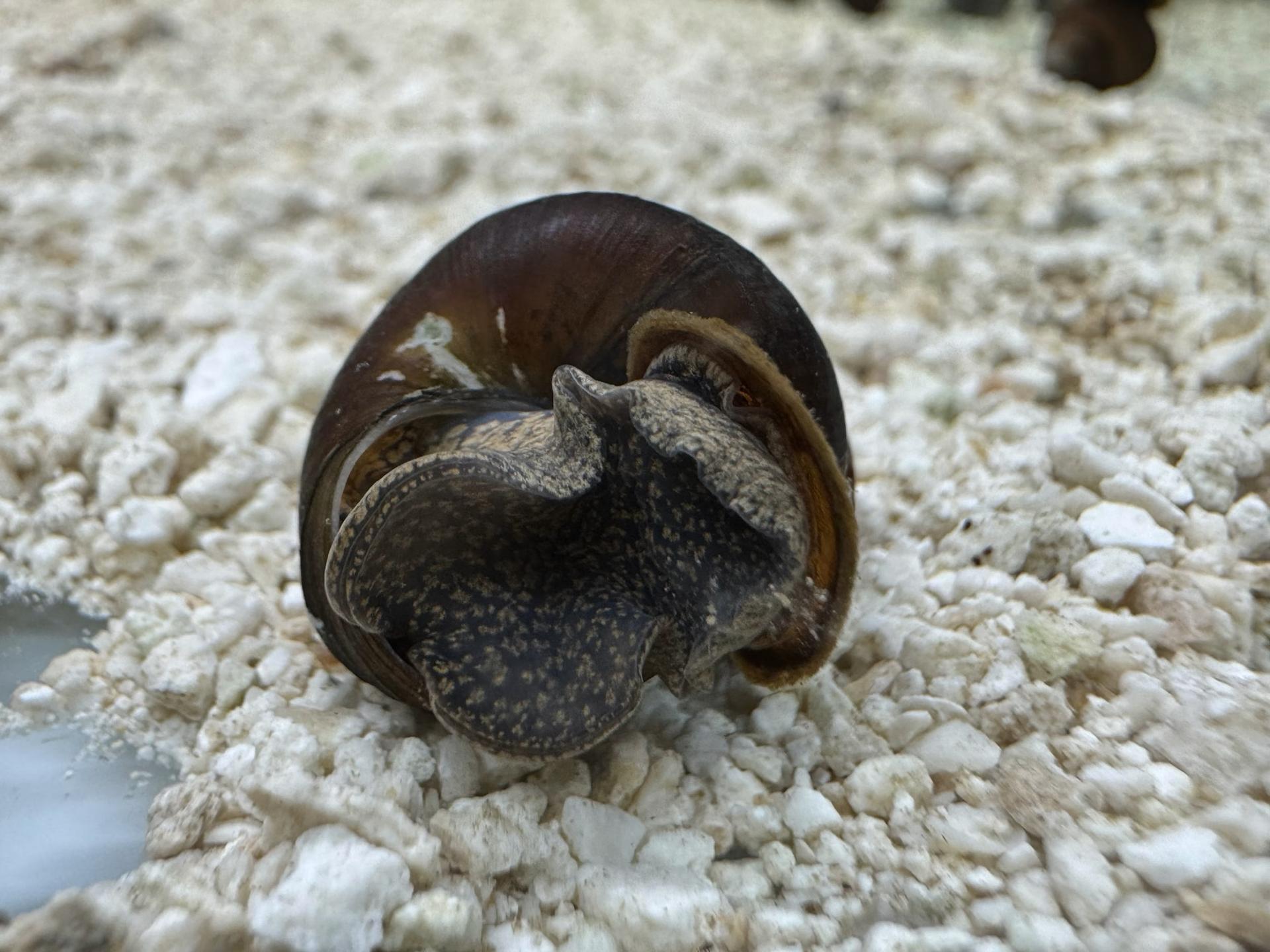
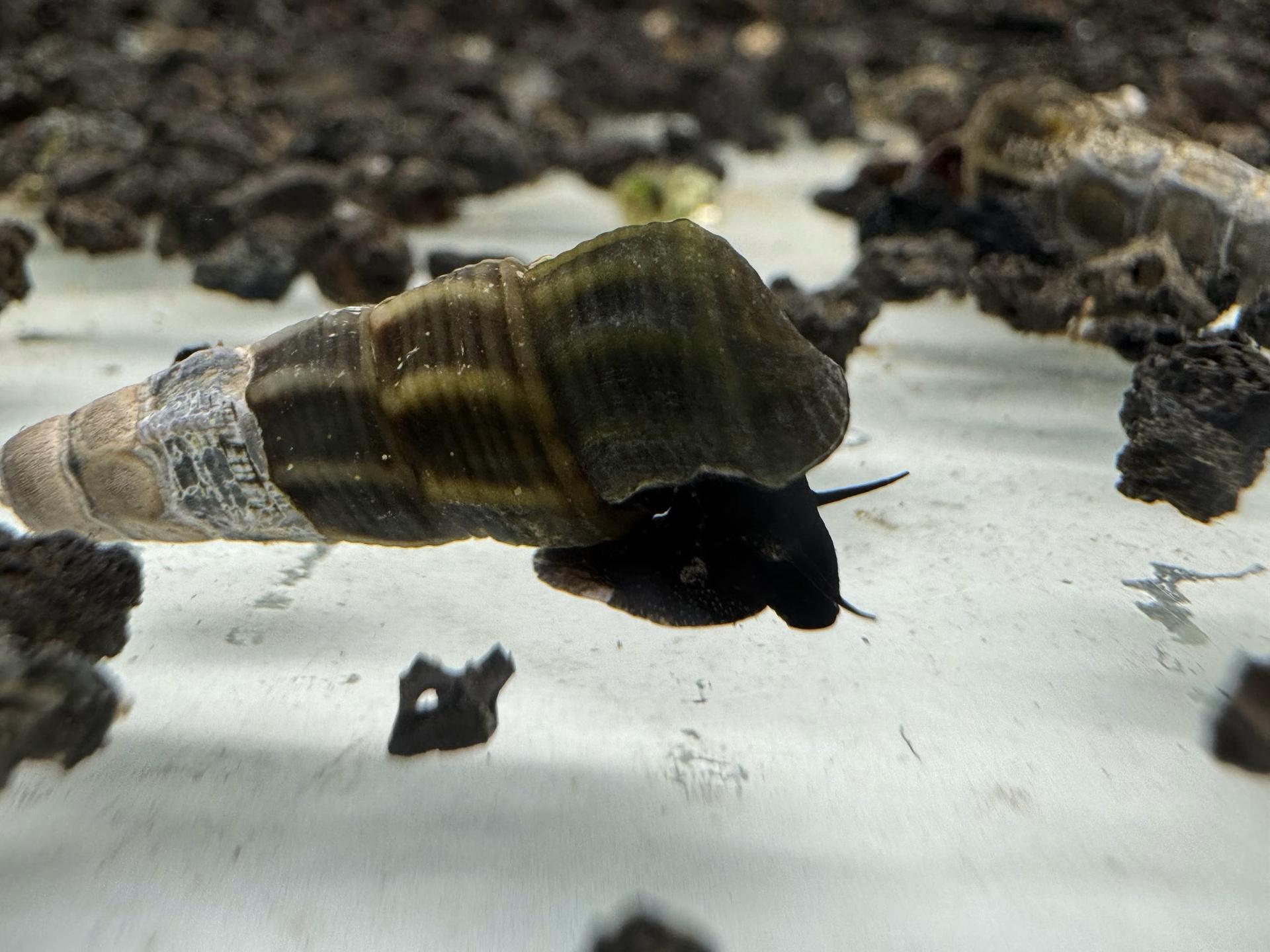
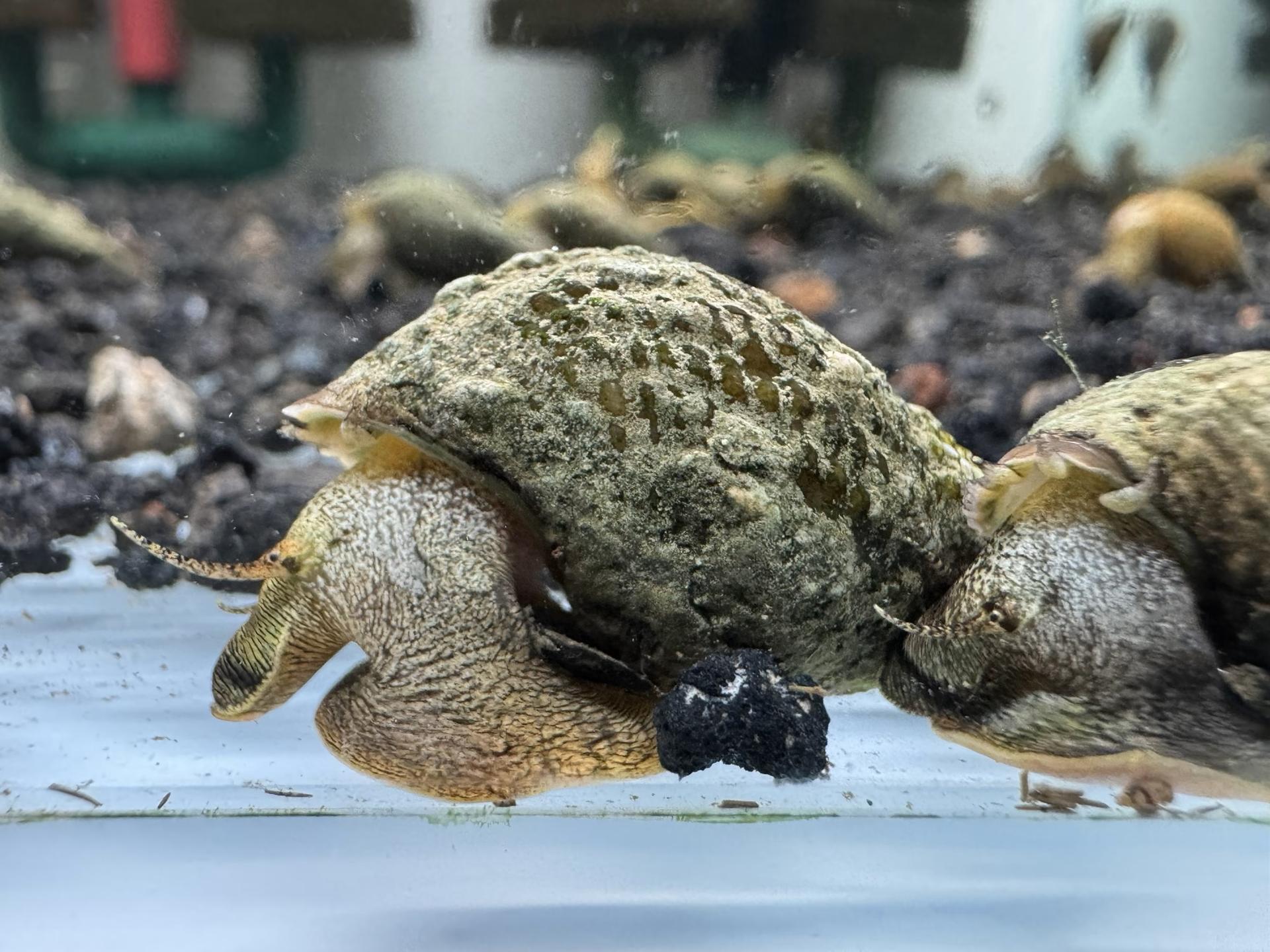
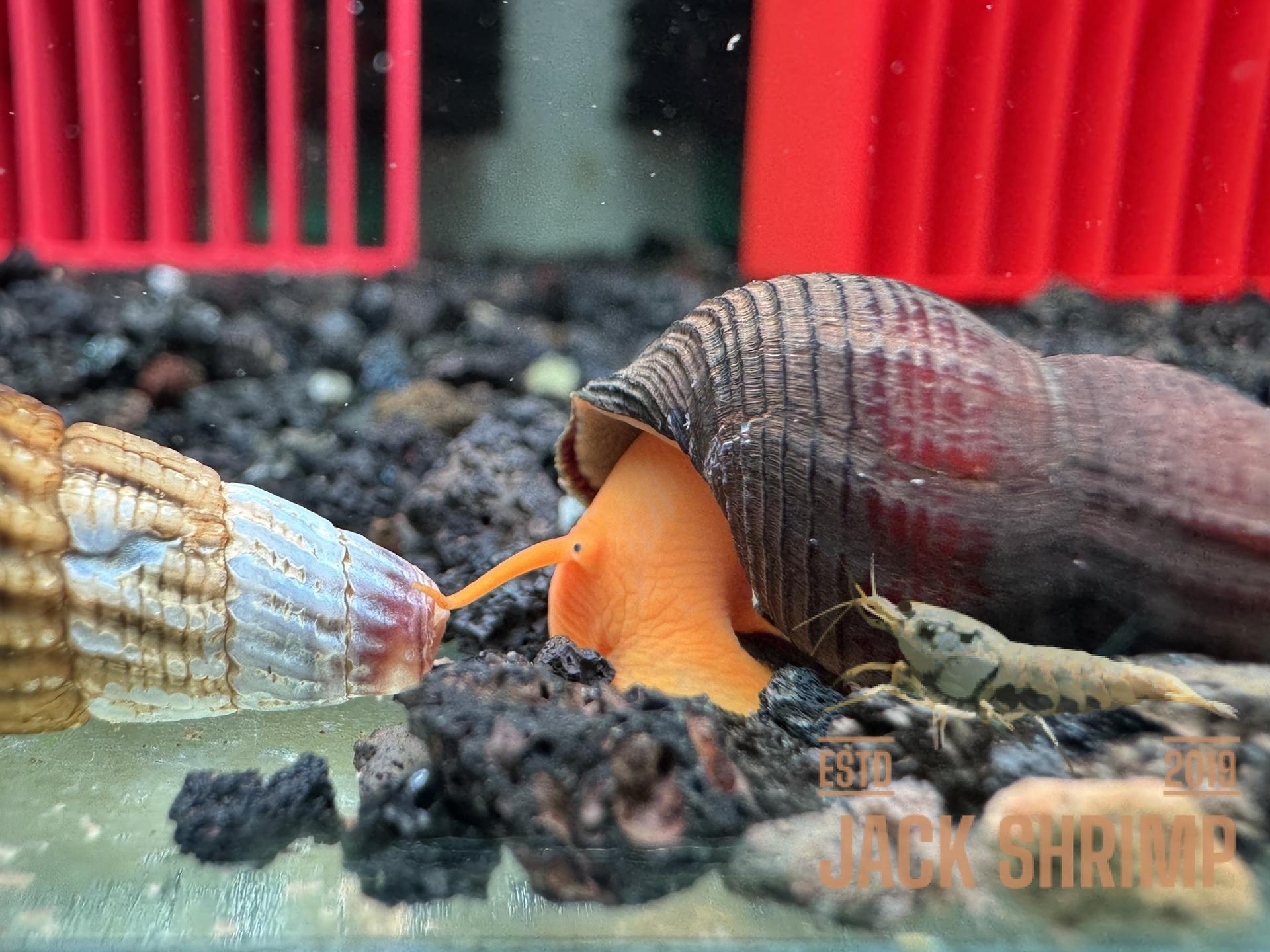
Ốc Sula Râu Vàng - Yellow Antenna Snail - Tép Sulawesi

$5.00

In stock

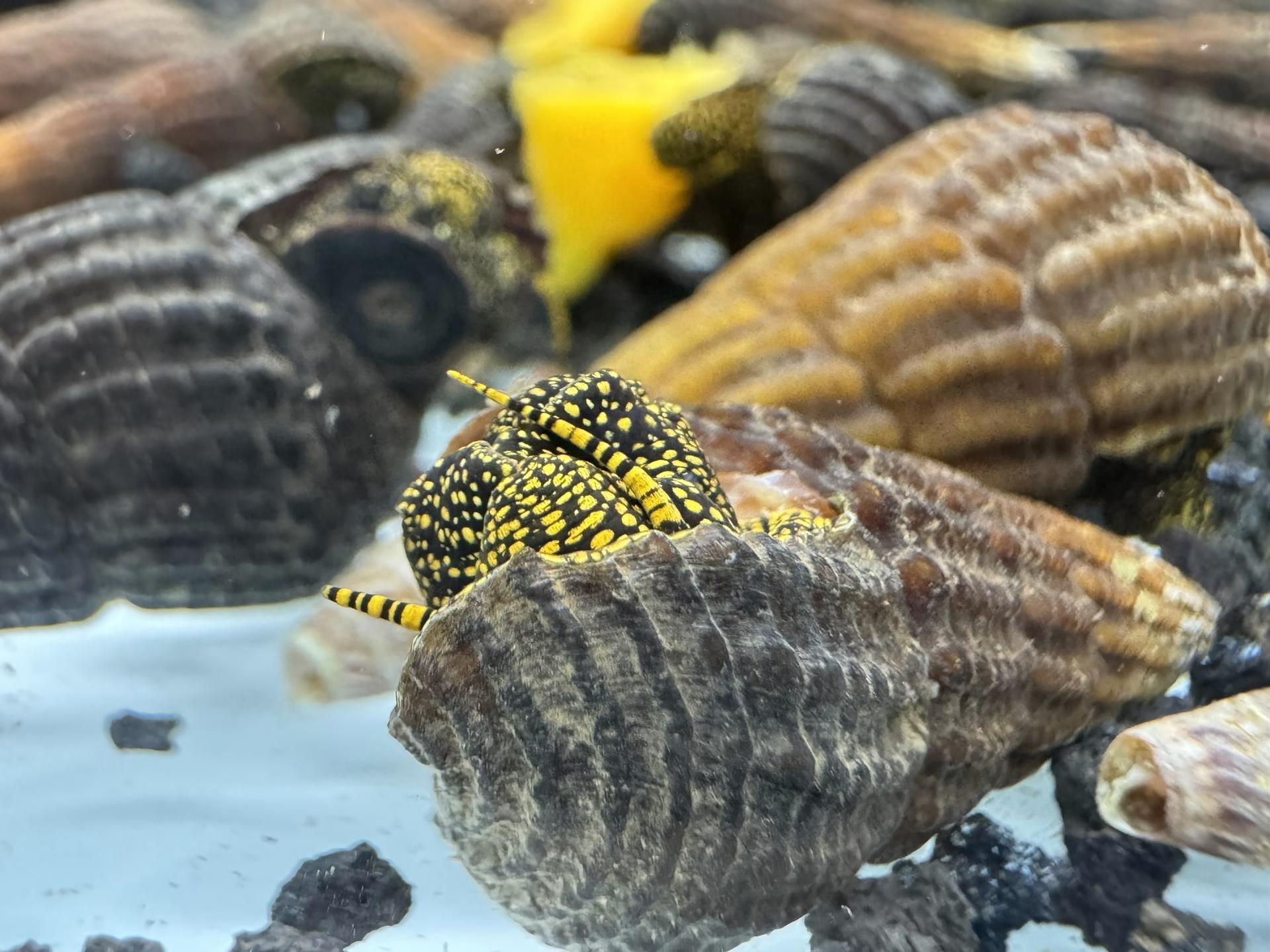
Ốc Sula Râu Vàng (Yellow Antenna Snail) đặc trưng bởi cặp râu vàng rực, hiền và chăm dọn vệ sinh hồ Sulawesi. Điều kiện nuôi pH 7.8–8.5 · TDS 150–250 · Nhiệt độ 27–30°C Ốc Sulawesi ăn tảo, mùn bã và thức ăn thừa — “đội vệ sinh” tự nhiên cho hồ Sula, đồng thời rất decor. Cần nước kiềm ổn định và bổ sung canxi để vỏ chắc, đẹp.

$5.00

In stock
1
🚚 Free city delivery on orders over 2,000,000₫ · nationwide air shipping over 5,000,000₫
🛡️ 100% live-arrival guarantee
⚡ 2-hour in-city delivery
WHOLESALEFor dealers & shrimp farmsAlways our best wholesale price — message us with your quantity.Get wholesale pricing

Collections

Sulawesi Snail · Malili lakes
Tylomelania sp. "Yellow Antenna"

Yellow Antenna Rabbit Snail

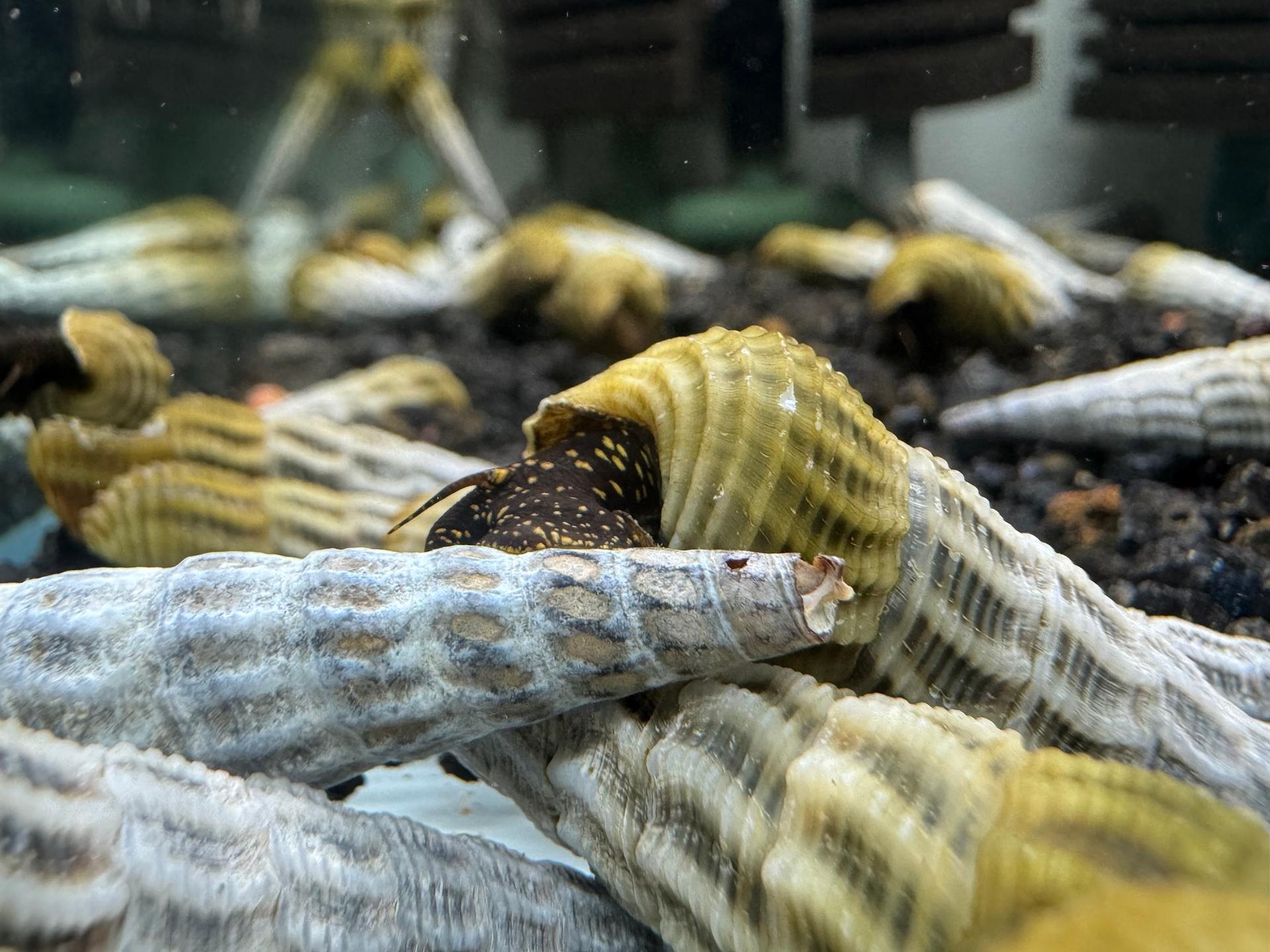
A black shell, a body so dark it reads as pure black, and one pair of bright lemon-yellow antennae glowing off the head — that is the whole reason this snail gets collected. It has never been described scientifically, so we sell it as exactly what it is: an unnamed colour form.

Bright yellow antennaeNot identified to speciesGrows to about 6 cm

A rabbit snail is not a cleaning crew — it's a collector's animal, and it has to be kept like one.

— Jack Shrimp Farm
ORIGIN

Malili lake system — but no lake pinned down

The German importer Garnelio places this form in the Malili lake system of South Sulawesi; other sellers list Lake Poso instead. Those two claims contradict each other and nobody has resolved it, so we write 'Malili lake system (reported)' and stop there. More important: no described Tylomelania matches this animal. Where a shop prints Tylomelania gemmifera on it, that is copy-paste — gemmifera is a Lake Matano endemic.

IDENTIFICATION

Identifying the Yellow Antenna

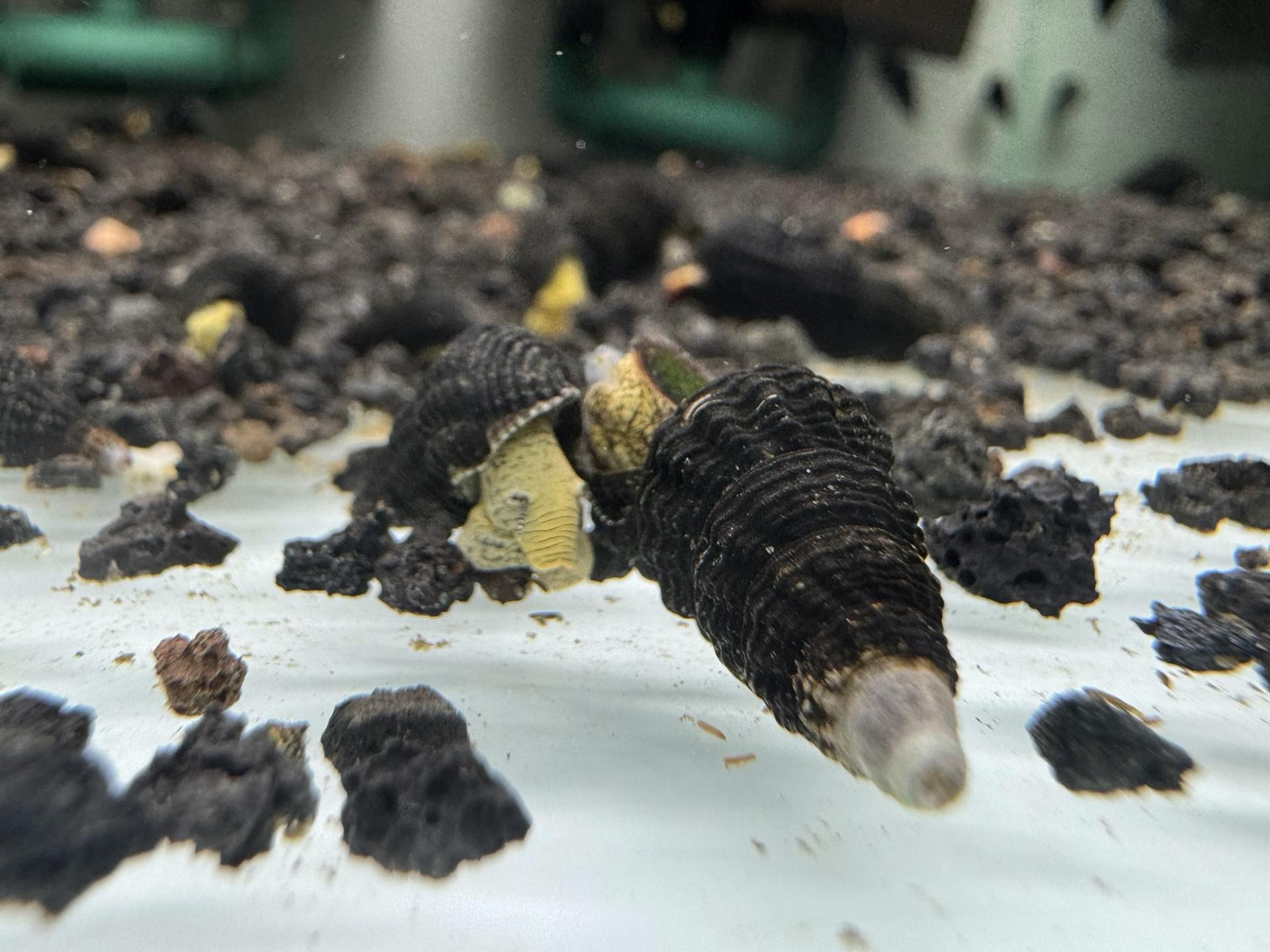
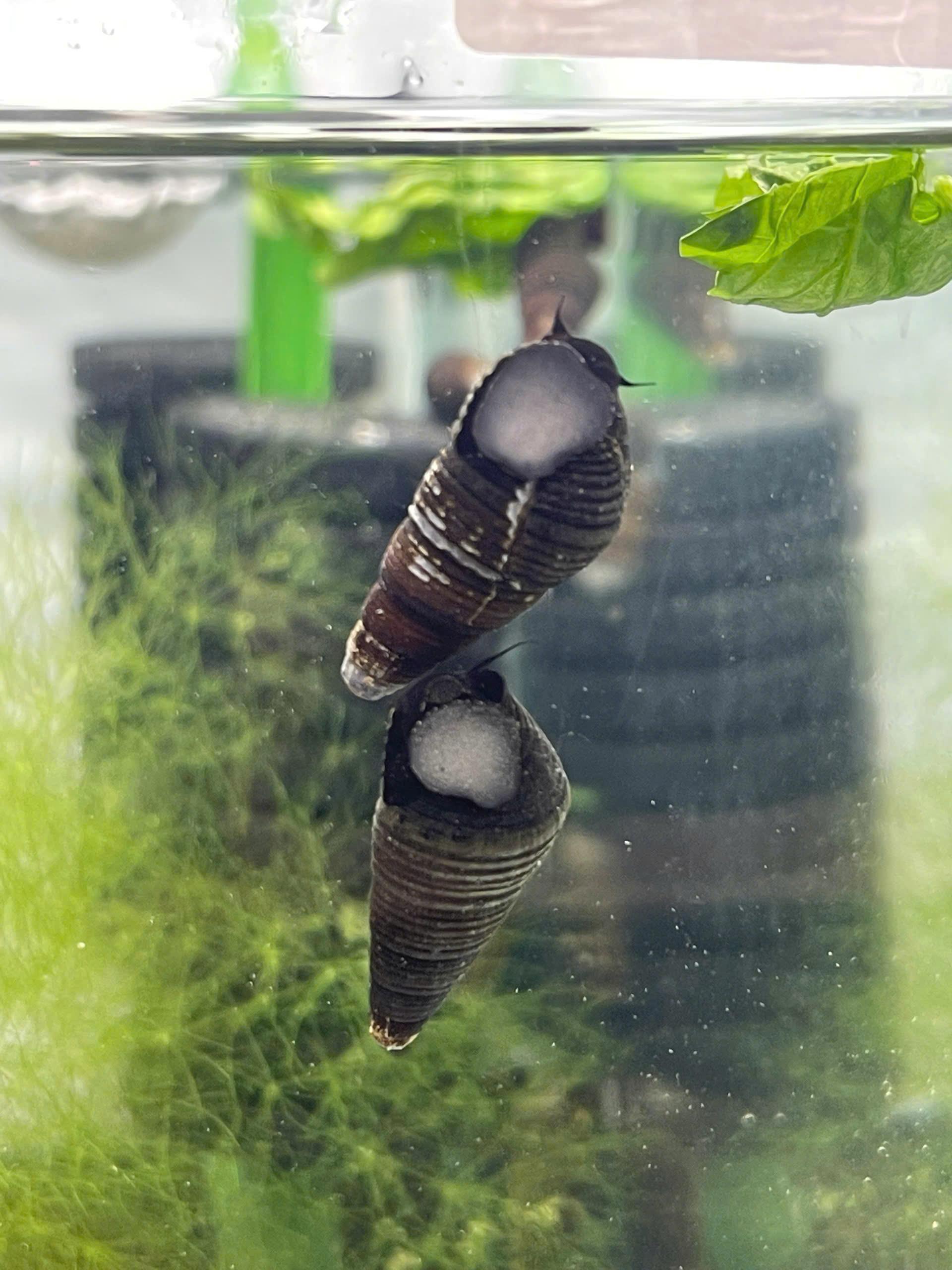
🟡Lemon-yellow antennaeThe one reliable identifying feature: two bright yellow tentacles against a black head. UK sources describe the wild form as 'pitch black with yellow tentacles'.
🐚Black, heavily ribbed shellBlack to dark brown, long-spired, with strong ribs and knobs. On a wild-caught adult the apex is usually worn down to a pale stump, which is completely normal.
✨Fine speckling on the bodyThe very dark body carries the finest white-to-pale-yellow speckling. You only see it up close — this is not a boldly spotted form like the Yellow Spot.
📏In at 3–5 cm, on to ~6 cmStock arrives at 3–5 cm and reaches roughly 6 cm on good feeding. Growth is slow, so that difference represents close to a year of careful keeping.
WATER

Ideal keeping conditions

26–30°
Temp C
7.5–8.5
pH
100–200
TDS ppm
6–12
GH
3–8
KH

The Sulawesi lakes are hot and alkaline but genuinely SOFT — Matano measures 28.7°C, pH 8.5, GH 7, KH 5 and around 87 ppm TDS. So do not chase a very high GH: a stable alkaline pH and enough KH to buffer it are what matter. Stability still beats perfect numbers.

SHELL

KH is what keeps the shell intact. An eroded apex is completely normal on a wild-caught adult — the warning sign is fresh erosion or pitting at the NEW growth near the aperture, which means KH and minerals in the tank are dropping.

SPECIES DATA

Yellow Antenna data sheet

Species data
Scientific name
Tylomelania sp. "Yellow Antenna"
Identification confidence
Not identified to species
Origin
Malili lake system (reported)
Adult size
3–6cm
Preferred substrate
Rock and wood with biofilm

Wild species — natural profile

This is a wild-collected Sulawesi snail that has never been identified to species. Below is what is genuinely known about where it lives, and what is still an open question.

Origin: The Malili lake system in South Sulawesi according to the German importers; a few sellers say Lake Poso. Nothing settles it, so we name no single lake on this listing.
Natural habitat: The ancient Sulawesi lakes offer rock, submerged wood and fine sand. A heavily ribbed shell like this one usually belongs to the rock-and-wood grazers rather than sand burrowers.
Behaviour & diet: It creeps slowly by day and night, rasping biofilm and detritus off rock and wood. The radula is the most divergent organ in this genus, with each lineage tuned to one substrate.
Conservation: Nearly every rabbit snail in the trade is wild-caught. In the Malili system alone, 16 of 28 species are Critically Endangered from nickel mining and the sedimentation it causes.
Keeping note: Give it stacked rock and wood to graze, and let the biofilm mature before you stock. A brand-new, scrubbed-clean tank is the worst possible environment for this animal.
BREEDING & SHELL

Why rabbit snails stay rare

🍼Live-bearing, not egg-layingMales and females are separate animals; the female broods in a uterine pouch and releases one fully-shelled crawl-away juvenile.
1️⃣One baby at a timeAbout one juvenile per female every 4–6 weeks (broods hold 1–7). This is exactly why rabbit snails stay rare and expensive.
🐢Very slow growthRoughly a year and about 4 cm to reach maturity. Lifespan 1–3 years, with records up to 5.
🐚Shell & mineralsHold KH 3–8 and feed enough calcium. An eroded apex is normal; erosion on new shell growth is the alarm.
HYBRIDISATION

Different Tylomelania species DO hybridise in aquaria. If you want to keep a line pure for breeding, keep one species per tank. Mixed-species tanks are for display only.

FOOD & SET-UP

The matching set-up

COMMON MISTAKE

Rabbit snails are NOT an algae crew. They graze biofilm and detritus, they will not clear a nuisance-algae problem, and they must be fed. Keeping them 'to clean the tank' is the single most common reason they quietly starve over a few months.

FEEDING

Omnivorous, mostly biofilm, detritus and blanched vegetables. Add White Powder + Yellow Powder 2–3 times a week, plus blanched pumpkin or cucumber for growth. A Sula Sand substrate holds the alkaline pH long-term and gives the soft-sediment species somewhere to plough for detritus.
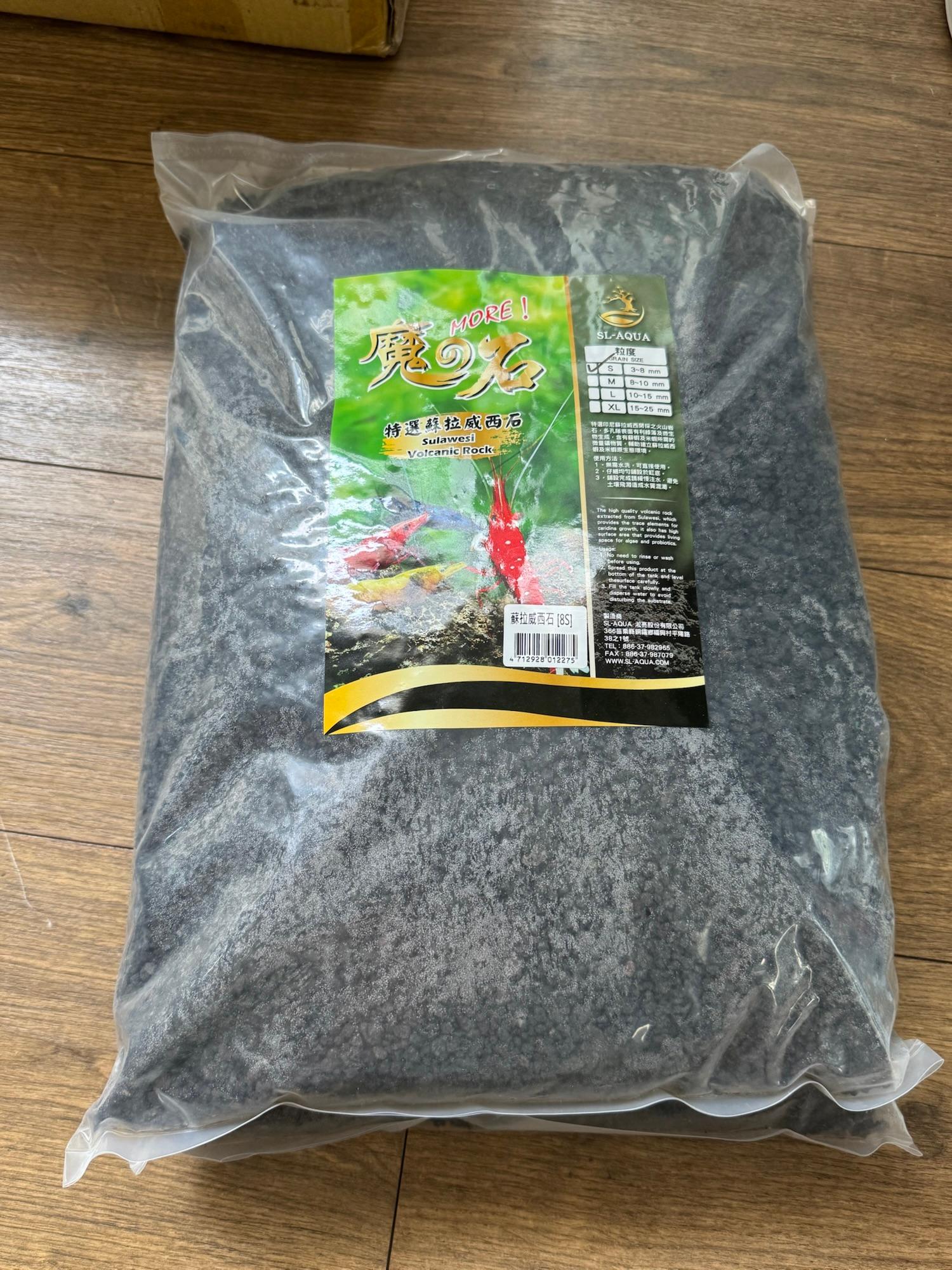
Sulawesi Volcanic Rock - Nền Sula Sand (Nhập khẩu chính ngạch)Sulawesi Volcanic Rock - Nền Sula Sand (Nhập khẩu chính ngạch)1.200.000 ₫View product
New to Sulawesi tanks?

Read the full Jack Shrimp guide to setting up a Sulawesi tank: substrate, hardscape, cycling and safe acclimation for snails and shrimp.

Read the set-up guide
FAQ

Frequently asked questions

Not difficult, but it asks for patience. The Yellow Antenna tolerates a fairly wide range as long as pH stays above 7.5 and KH does not slide. The real difficulty is that it feeds slowly and sparingly: in a tank with quick fish or shrimp it gets out-competed and thins out over months without the keeper noticing. Feed it separately in the evening.

26–30°C, pH 7.5–8.5, GH 6–12, KH 3–8, TDS 100–200 ppm and nitrate under 10 ppm. The wild lakes are hot and alkaline but soft, so do not push GH very high — holding enough KH and keeping the parameters steady is what protects the shell.

Rabbit snails do not control nuisance algae and must be fed. Give White Powder + Yellow Powder 2–3 times a week, alternating with blanched pumpkin, cucumber or carrot. The more biofilm on the rock and substrate the better. Keeping them 'to clean the tank' is the number one reason they starve.

It pairs best with wild Sulawesi shrimp such as Cardinal and Harlequin — same lakes, same hot alkaline water. Avoid crayfish, loaches and any fish large enough to nip at the antennae. If you want a pure line for breeding, keep one rabbit snail form per tank: Tylomelania species interbreed, and a hybrid cannot honestly be sold under any name.

Males and females are separate animals, and they give birth rather than lay eggs. The female broods in a uterine pouch and releases a single fully-shelled crawl-away juvenile, on average one every 4–6 weeks. They need about a year and roughly 4 cm to reach maturity. Breeding is genuinely slow, which is why rabbit snails stay rare.

We pack with pure oxygen and ship nationwide. Free nationwide air shipping on orders from 5,000,000₫, and free intra-city delivery on orders from 2,000,000₫. Live arrival is guaranteed — film one continuous unboxing video to claim a replacement.

WHAT BUYERS SAY

Customer reviews

No reviews yet for this product.

YOU MIGHT ALSO LIKE

Related products

Ốc Sula Mini Tylo Poso - Rabbit Snail - Tép Sulawesi

Ốc Sula Mini Tylo Poso - Rabbit Snail - Tép Sulawesi

$5.00

In stock
Choose options
Ốc Sula Black Dov - Rabbit Snail - Tép Sulawesi

Ốc Sula Black Dov - Rabbit Snail - Tép Sulawesi

$5.00

In stock
Choose options
Ốc Sula Chocolate - Chocolate Striped Rabbit Snail - Tép Sulawesi

Ốc Sula Chocolate - Chocolate Striped Rabbit Snail - Tép Sulawesi

$5.00

In stock
Choose options
Ốc Sula Đốm Vàng Golden Spot - Golden Spot Rabbit Snail - Tép Sulawesi

Ốc Sula Đốm Vàng Golden Spot - Golden Spot Rabbit Snail - Tép Sulawesi

$5.00

In stock
Choose options
Ốc Sula Marwoto - Rabbit Snail - Tép Sulawesi

Ốc Sula Marwoto - Rabbit Snail - Tép Sulawesi

$5.00

In stock
Choose options
Ốc Sula Blue Berry - Rabbit Snail - Tép Sulawesi

Ốc Sula Blue Berry - Rabbit Snail - Tép Sulawesi

$5.00

In stock
Choose options
Ốc Sula Black Tominanga - Rabbit Snail - Tép Sulawesi

Ốc Sula Black Tominanga - Rabbit Snail - Tép Sulawesi

$5.00

In stock
Choose options
Ốc Sula Rigget - Rigget Rabbit Snail - Tép Sulawesi

Ốc Sula Rigget - Rigget Rabbit Snail - Tép Sulawesi

$5.00

In stock
Choose options