Master Caridina
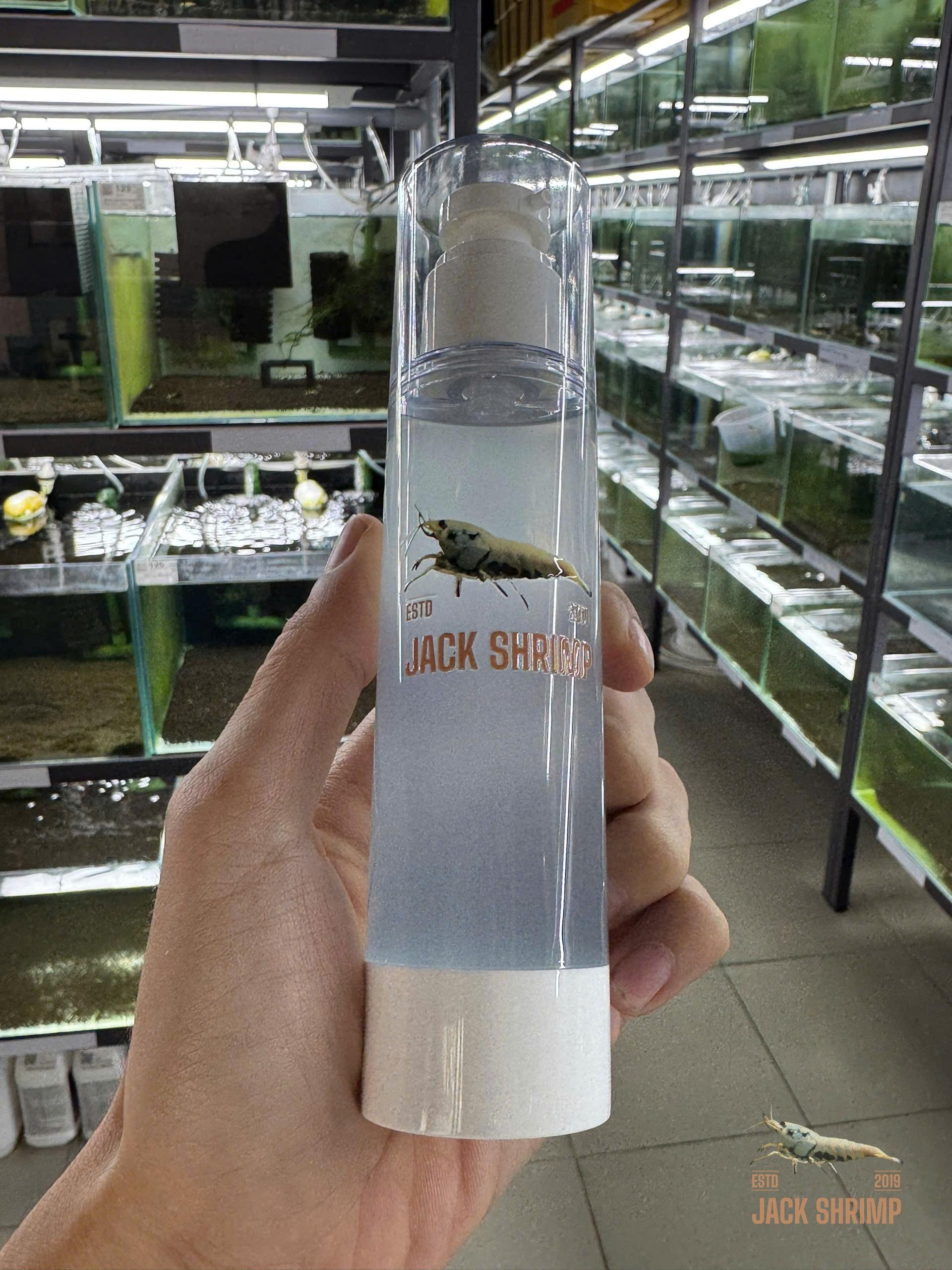
A concentrated liquid remineraliser built for Caridina, mixed and bottled on our own farm. 1 mL into 50 L raises TDS by 10 ppm and GH by 0.5 dGH, with KH unchanged at 0. This page states what we can verify — measurements are called measurements, and industry conventions are called conventions.
We strip every mineral out of the water not to make it cleaner, but so we can put back exactly the minerals shrimp need.
Strip the water down, then put back exactly what shrimp need
A Caridina tank runs on RO water, and that is the correct choice. RO water is clean water: the membrane strips almost every ion, taking conductivity below 10 µS and TDS to near zero. That is the whole principle — strip the source water bare so the keeper decides which ions go back in and how much, instead of depending on tap water that differs from town to town. But precisely because it is stripped bare, RO alone will not keep shrimp: a shrimp loses calcium and magnesium across its gills down the osmotic gradient, and at every moult it has to rebuild an entire exoskeleton from ions taken out of the water and out of its food. The job of a remineraliser is to put those ions back — and only those.
The classic Caridina killer, and it happens at the point of purchase. Master Caridina is a GH+ remineraliser: it raises GH without putting a single carbonate ion into the water, so KH stays at zero. The GH/KH+ formulation (usually sold at a 2:1 ratio) is recommended by its own makers for every shrimp EXCEPT Caridina. The reason is blunt: carbonate both raises pH and PINS it, so while KH remains the active soil cannot pull the tank down into the pH 5.8–6.5 band where bee shrimp actually breed. Worse, active soil buffers by neutralising exactly that carbonate — every degree of KH you add is soil lifespan burned. You pay twice for one mistake.
What is in the bottle, and what each ion does
Technical specification
- Type
- GH+ — raises GH only
- Form
- Liquid concentrate
- For
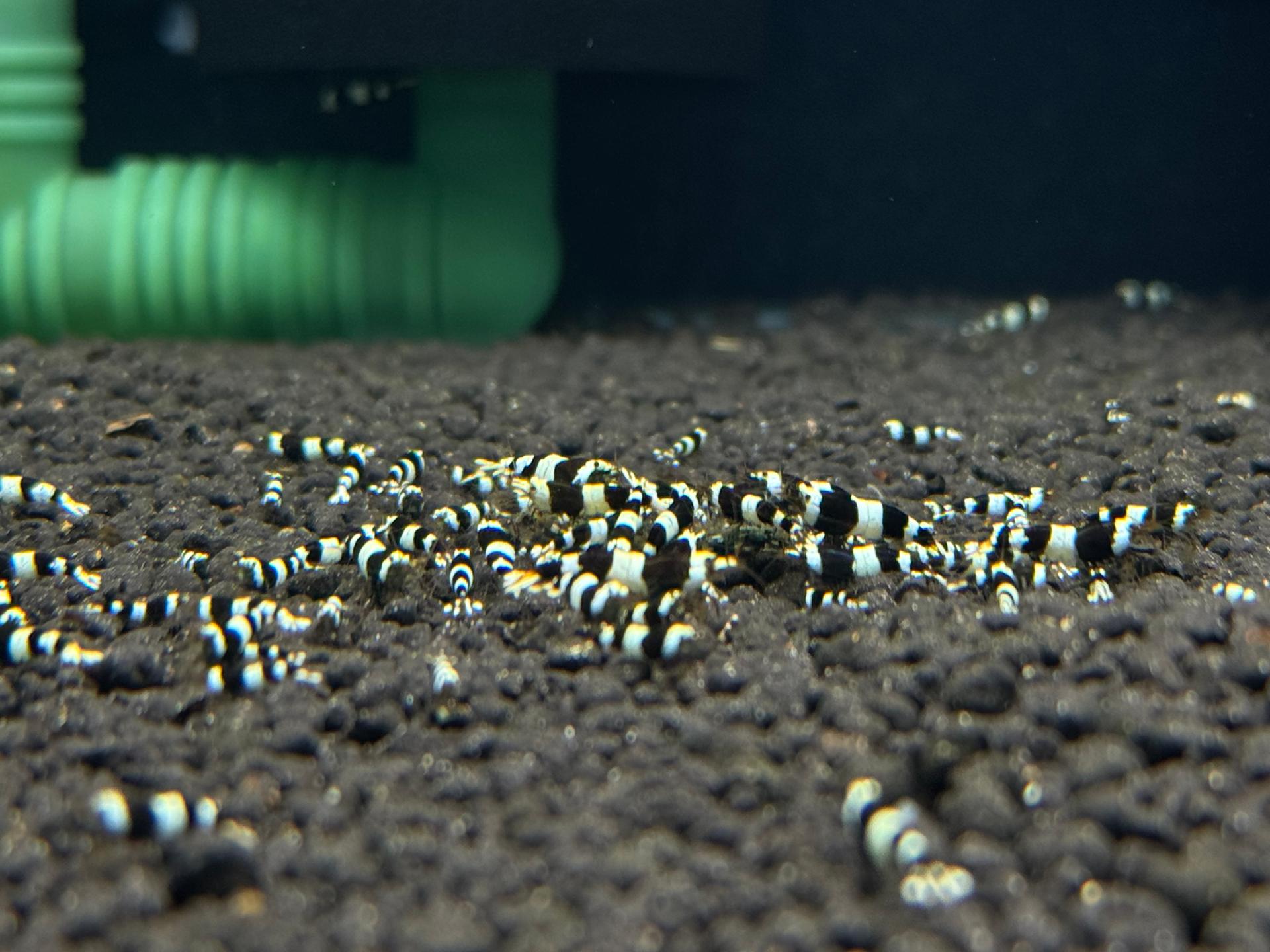
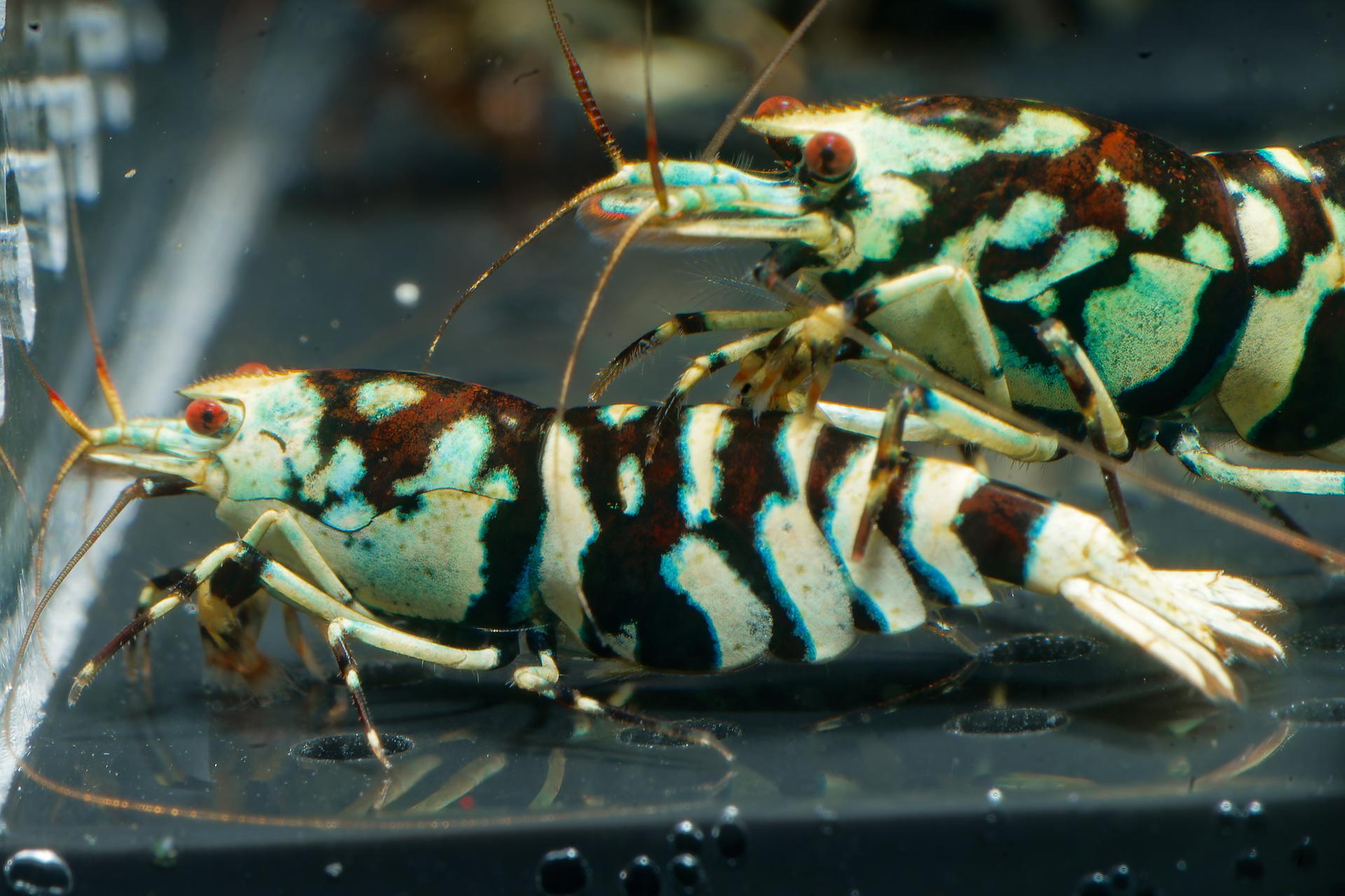
- Caridina — bee, crystal, Taiwan Bee, Pinto, Fancy Tiger
- Principal ions
- Calcium · Magnesium · Potassium
- Ca:Mg ratio
- ≈ 3:1
- Copper
- NONE — copper-free formula
- Standard dose
- 1 mL per 50 litres
- TDS rise
- +10ppm / dose
- GH rise
- +0.5dGH / dose
- KH rise
- 0
- In-tank pH after dosing
- Unchanged
- Shelf life
- 2years after opening
- Storage
- 5–35°C, out of direct sun, cap sealed after use
- Brand
- Jack Shrimp Farm
Dosing — quick reference
- New tank — mixing RO water
- 10–12 mL / 50 L
- Routine water change
- 2–3 mL / 10 L of change water
- Mid-week top-up if TDS drops
- 1–2 mL dosed directly into the tank
- Evaporation top-up
- NO mineral
- Taiwan Bee / Blue Bolt tanks
- Target TDS 100–130, GH 4–5
- Ordinary bee / Mischling tanks
- Target TDS 120–150, GH 4–6
This is the single most important rule on this page. Concentrate poured straight into a tank creates a pocket of extremely high ionic strength right where it lands, and any shrimp swimming through it takes the full osmotic shock. The correct method: measure the dose into a bucket of RO water, stir, confirm with a TDS meter, let it stand ten to fifteen minutes, then drip it into the tank. The only exception is the 1–2 mL mid-week top-up — dose it directly into the strongest filter outflow so it is diluted instantly.
The +10 TDS per millilitre figure is linear and reliable, but it is calculated on clean RO. If your source water is not genuinely 0-TDS RO, or if the membrane is overdue for replacement, every number above shifts. A TDS pen costs a small fraction of a colony. Measure the mixed water in the bucket before it goes in, and write it down — a few weeks later that same log will tell you whether your soil is still buffering, earlier than any sign the shrimp will give you.
Raising GH in a running tank without killing shrimp
1 · Measure first, do not guess
Log the tank's current GH and TDS across three readings a few days apart. A single number does not tell you where the tank is — the trend does.
2 · Set the target, then divide it into weeks
Ordinary bee tanks aim at GH 4–6. Taiwan Bee, Blue Bolt and Shadow tanks aim at GH 4–5 with lower TDS. Going from GH 2 to GH 4.5 is five weeks of work, not an afternoon.
3 · Maximum 0.5 dGH per week — this is a hard ceiling
Faster than that is mineral shock. Mineral shock does not kill immediately: it triggers an early moult and then ruins that moult, and you count the bodies 24 to 72 hours later.
4 · Raise it through CHANGE water, not by dosing the tank
Each week, mix the change water slightly richer. The tank climbs with each water change — far smoother than dosing directly.
5 · Watch the juveniles before the adults
Small Taiwan Bee are the canary in the mine: they react first when minerals are short or moving too fast. Healthy-looking adults do not mean the tank is fine.
6 · On target, hold it with the water-change schedule alone
Once you reach the target GH nothing further is needed beyond the mineral in routine change water. A tank parked at GH 5 outperforms one chased between 4 and 7.
A white gap between carapace and abdomen where a shrimp cannot finish its moult is untreatable and only preventable. The prevailing hobby explanation — and what we observe on our own farm — ties it to minerals: below GH 4 the shell cannot form at all, and a sudden swing in GH or TDS ruins the next moult. But to be clear: that is trade experience and our own observation, NOT a mechanism established by controlled research. We will not print it as settled science. What is far more certain is the prevention: change 10% weekly, drip rather than pour, move TDS no more than 10–25 ppm per day and GH no more than 2 points per day.
Do not 'fix' pH 5 — that is the tank working correctly
Many keepers mix RO water, watch the pH fall to 5 over a few days, and immediately try to 'fix' it with baking soda, crushed coral or a KH buffer. That reflex is wrong, and it destroys the very tank being built. RO water has almost no ions left, meaning KH is zero, meaning it has no buffering system at all. Atmospheric CO₂ diffuses in, forms carbonic acid, and the pH drifts to 5.0–5.8 entirely naturally. This is the ordinary chemistry of pure water in contact with air, not a defect in your RO unit.
Ammonia in a tank exists as two forms in equilibrium: NH₃, which is toxic and crosses the gills, and NH₄⁺, which is essentially harmless because it does not permeate membranes. The balance between them depends on pH, and it is non-linear — by the classical ammonia equilibrium work (Emerson et al., 1975), moving from pH 5 to pH 8 raises the toxic NH₃ fraction roughly 950-fold — close to three log units. In other words, at pH 5–6, even when total ammonia nitrogen rises, the genuinely toxic fraction stays far below the chronic harm threshold. This is exactly why a Caridina tank on active soil tolerates a bioload that a pH 8 tank would not. Intervene only if pH falls below 5.3, where nitrification slows, or drifts above 6.8.
- pH 5.0
- 0.006% NH₃ · ×1 (baseline)
- pH 5.5
- 0.019% NH₃ · ×3
- pH 6.0
- 0.059% NH₃ · ×10
- pH 6.5
- 0.19% NH₃ · ×32
- pH 7.0
- 0.59% NH₃ · ×100
- pH 7.5
- 1.8% NH₃ · ×310
- pH 8.0
- 5.6% NH₃ · ×950
Read the table down the column: every row holds the SAME total ammonia nitrogen and differs only in pH. The percentages come from the NH₃/NH₄⁺ equilibrium with pKa ≈ 9.23 at 26°C (Emerson et al., 1975); the × figure is how many times more toxic than the pH 5 baseline. Each single pH unit multiplies the toxic fraction by about ten, so the gap between pH 6.0 and pH 7.0 is far larger than it feels. This is why a Caridina tank held at pH 5.5–6.2 is safer than a pH 7.5 tank at the same stocking density and the same feeding rate — not because it is cleaner, but because the chemistry is on your side. The table explains the mechanism; it does not replace testing.
The three most common remineralising mistakes
Repeated because it is the most expensive mistake. The GH/KH+ tub sits next to the GH+ tub on the shelf, with a near-identical name and a near-identical price. Putting carbonate into a Caridina tank blocks the acid pH band you are building and burns soil lifespan at the same time. If you have already used it: stop, switch to GH+, and let the soil strip that KH out over a few weeks — do not chase the pH down with another chemical.
A tank parked at GH 5 outperforms one endlessly 'corrected' between GH 4 and 7. The shrimp cannot read a care sheet; what it senses is the RATE OF CHANGE. Every correction you make is another swing, and the swings are what kill — not being half a degree off target.
Water evaporates alone; the minerals stay behind. Topping up with remineralised water adds minerals on top of minerals every day, and TDS creeps up while nothing in your routine has changed. Always top up evaporation with 0-TDS RO. This is one of the quietest causes of parameter drift in Vietnam, where open-topped tanks evaporate fast.
Pricing for farms, shops and dealers
Master Caridina is built to move through a network, not only bottle by bottle at retail. If you run a shrimp farm, an aquarium shop, or you want to distribute in your own province, there is a separate price structure for you — wide enough to live on the margin rather than sell as a favour. Why we can do that: we mix and bottle this ourselves, with no import step and no intermediate distributor, so the margin that the middle layers absorb on imported products goes back to the person actually selling it.
Send us three things: how many tanks you run or which area you sell in, whether you want the large canister or pre-labelled bottles, and your estimated monthly volume. We will come back with the pricing for the matching tier and a sample so you can measure before you decide. No joining fee and no sales commitment at entry level. If you want to run a controlled comparison against whatever you use now, say so — we will send the method for comparing fairly.
The three legs of a Caridina tank that actually runs
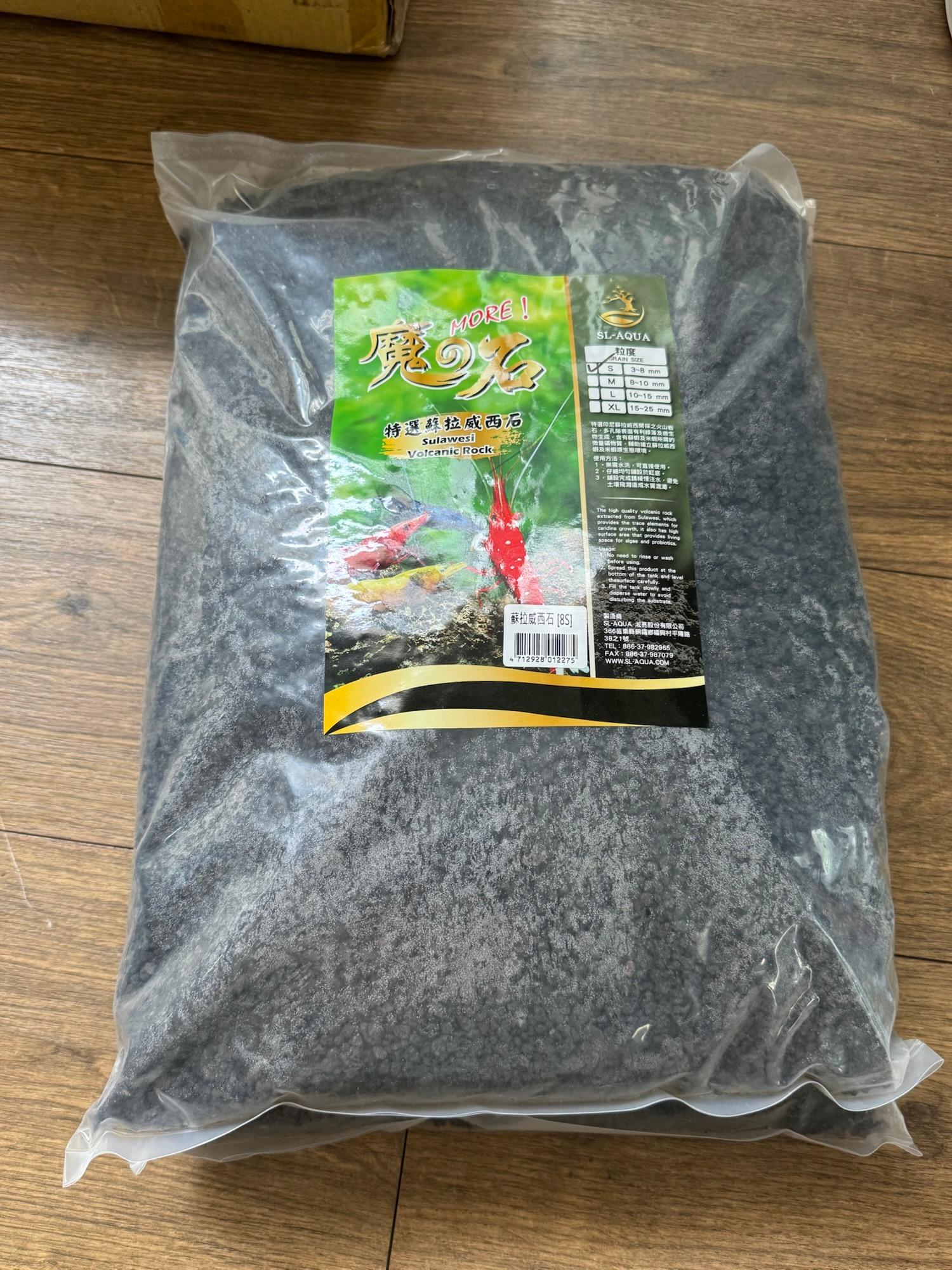
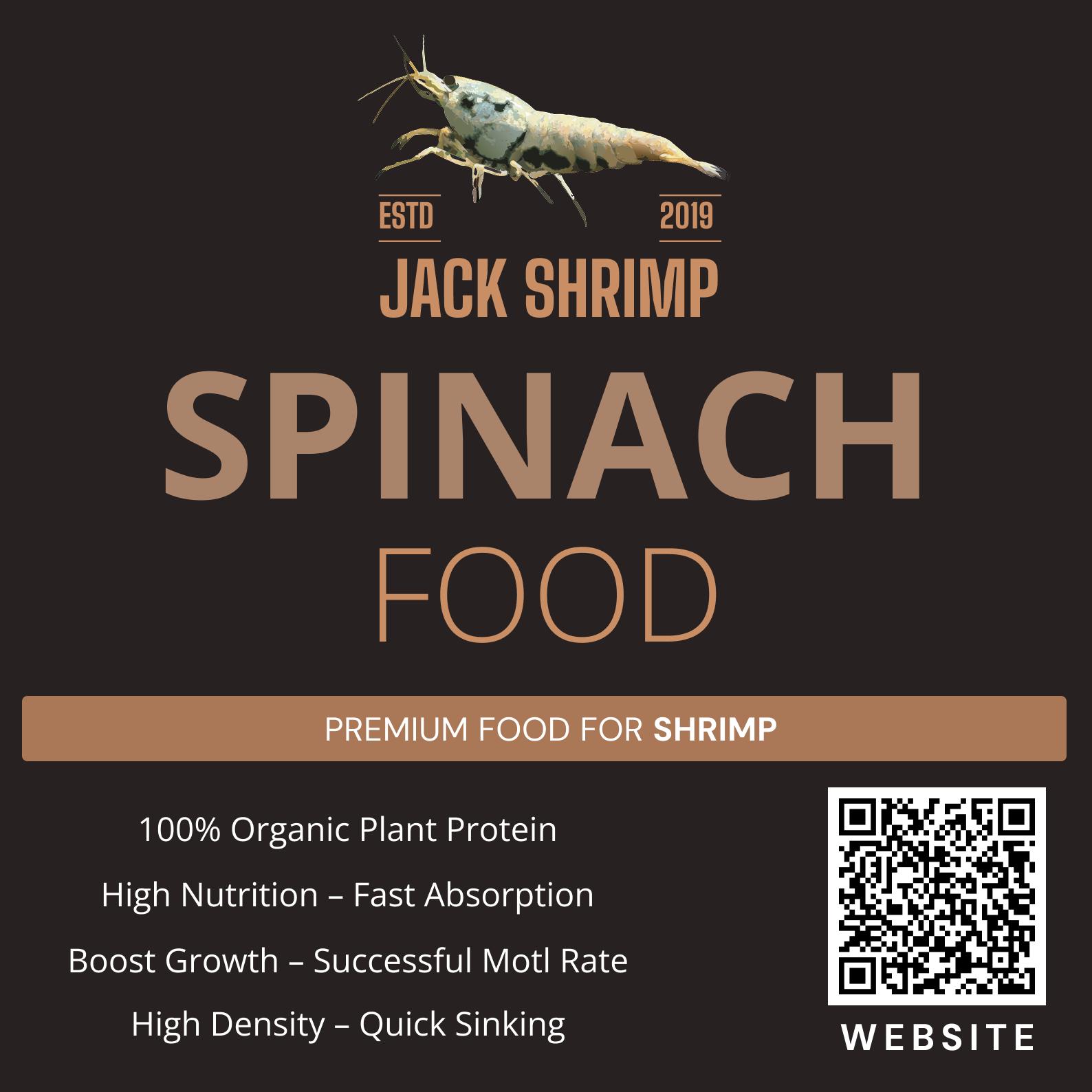
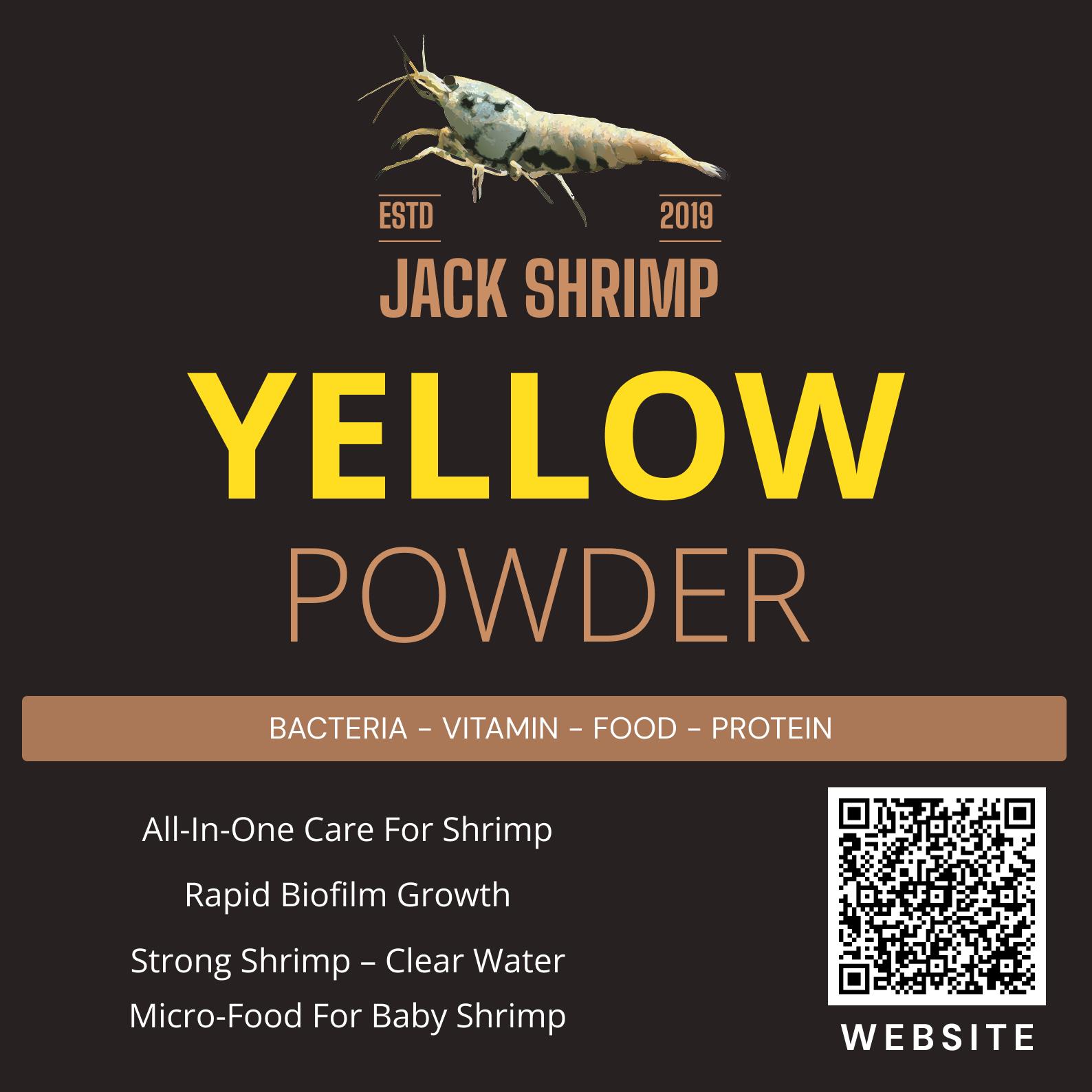
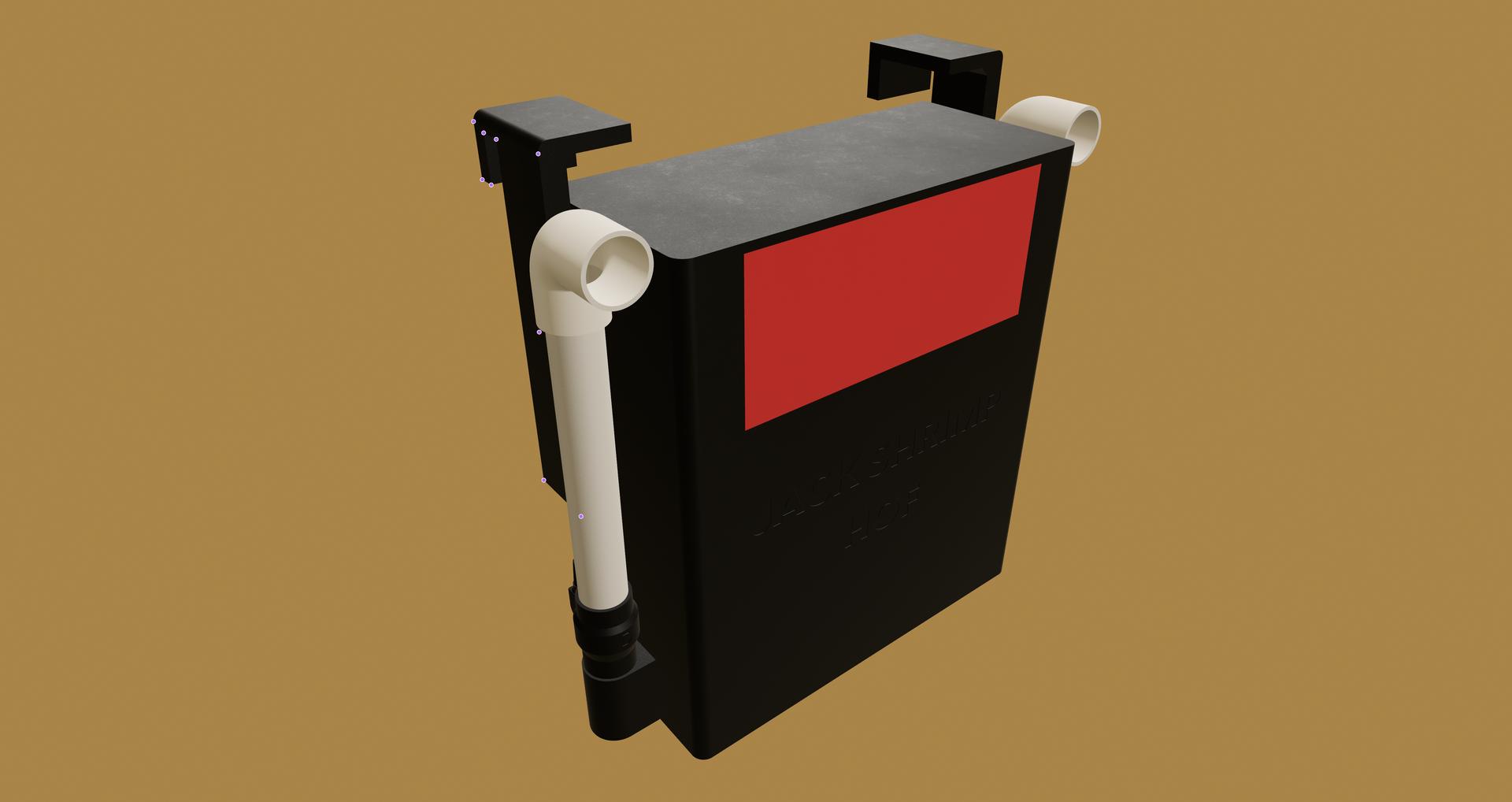
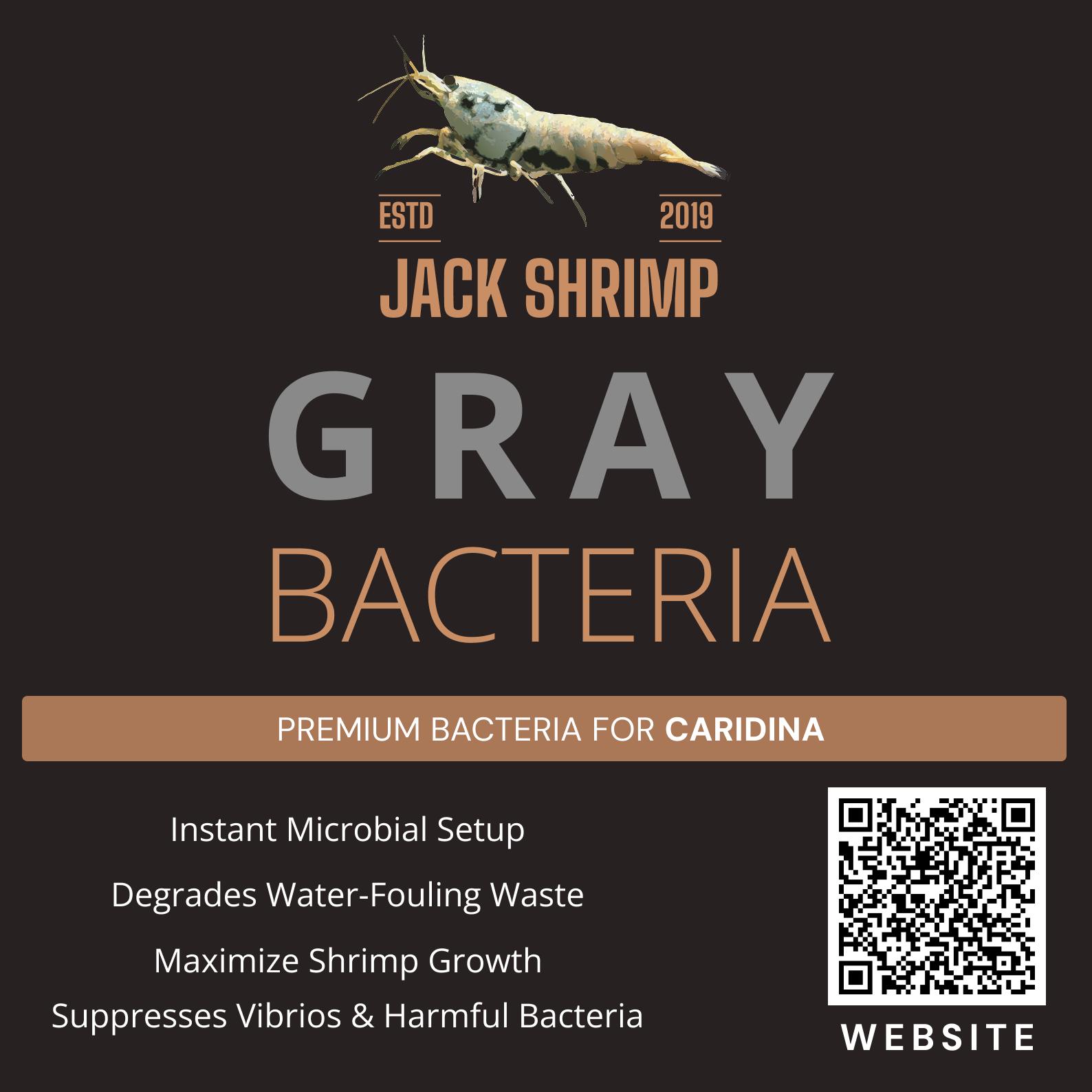
Remineraliser is one leg of three in a Caridina tank. Active soil holds pH and consumes KH — without it even a GH+ remineraliser will not bring the tank into the band where bee shrimp breed. Bacteria culture grows the biofilm shrimplets actually eat, and in Caridina that is what decides whether juveniles survive or vanish batch after batch. An airlift bio filter filters and aerates at once, and at Vietnamese room temperature oxygen matters far more than most keepers assume.
Not sure how much your tank needs, or where to start?
Send us your tank volume, your current readings (TDS, GH, pH) and which line you keep. We will work out the specific dose, a week-by-week schedule for raising GH if the tank is low, and tell you plainly if your tank does not need to change remineraliser at all. Free advice, no purchase required.
Read the Caridina tank set-up guide