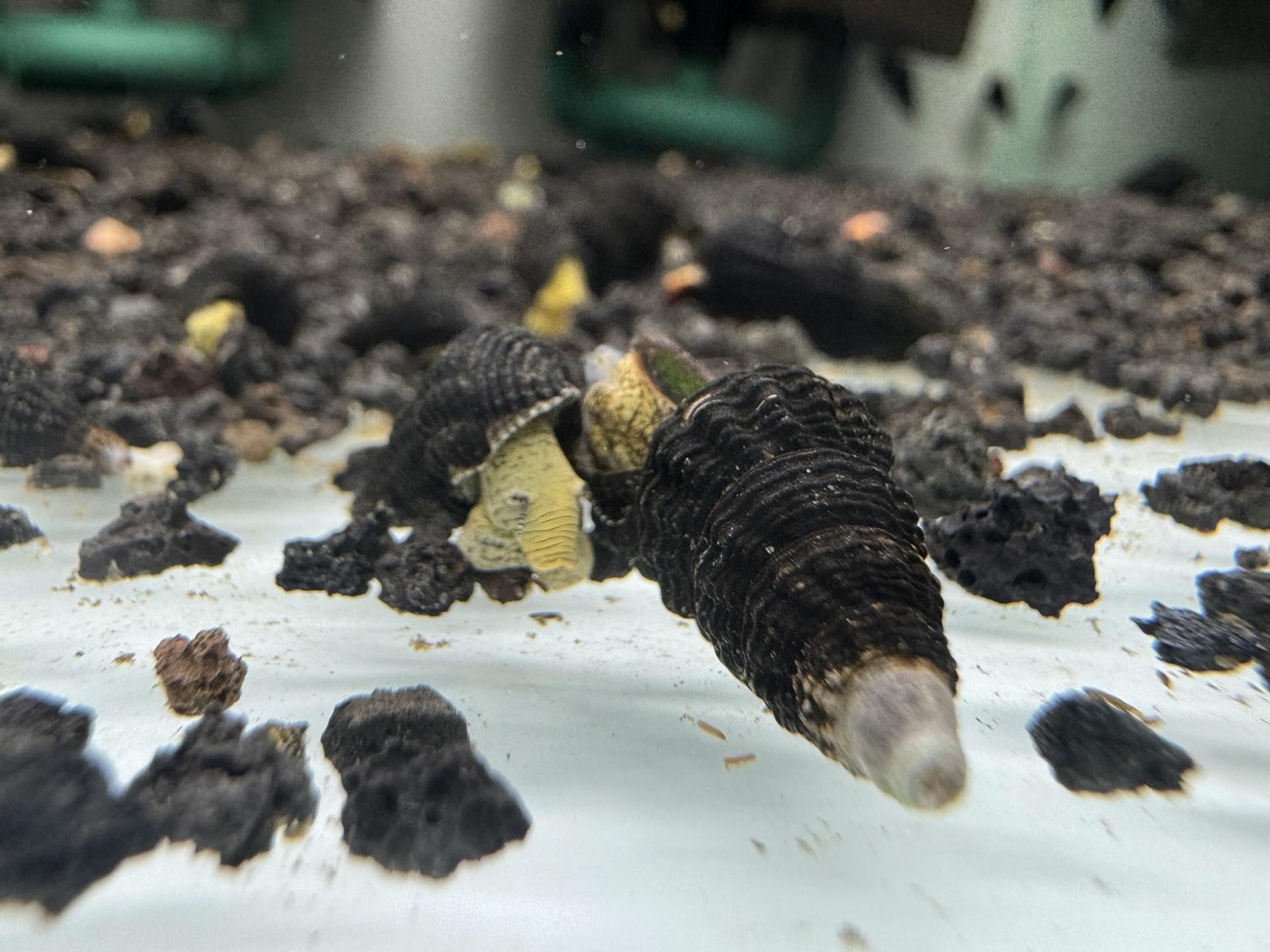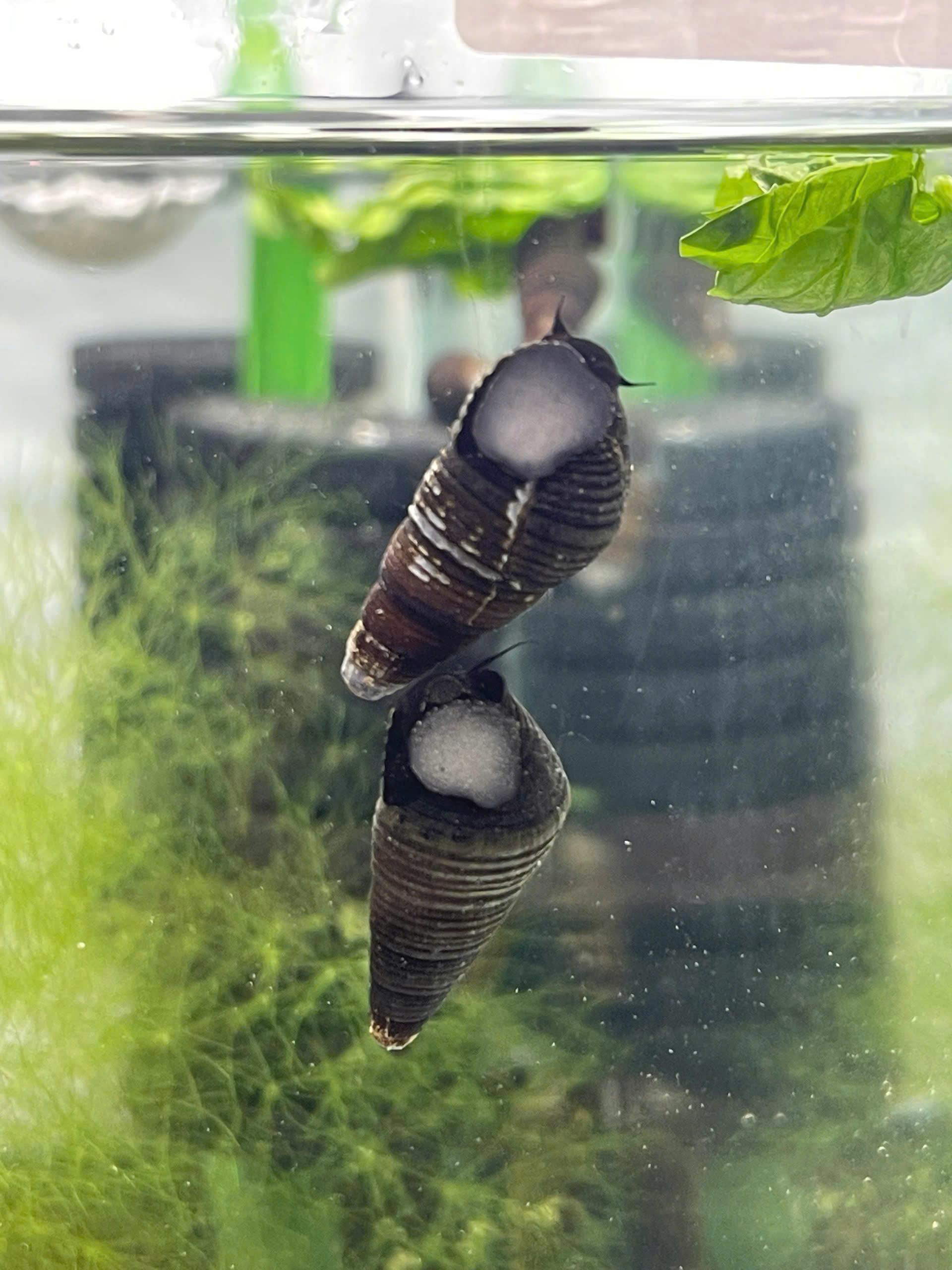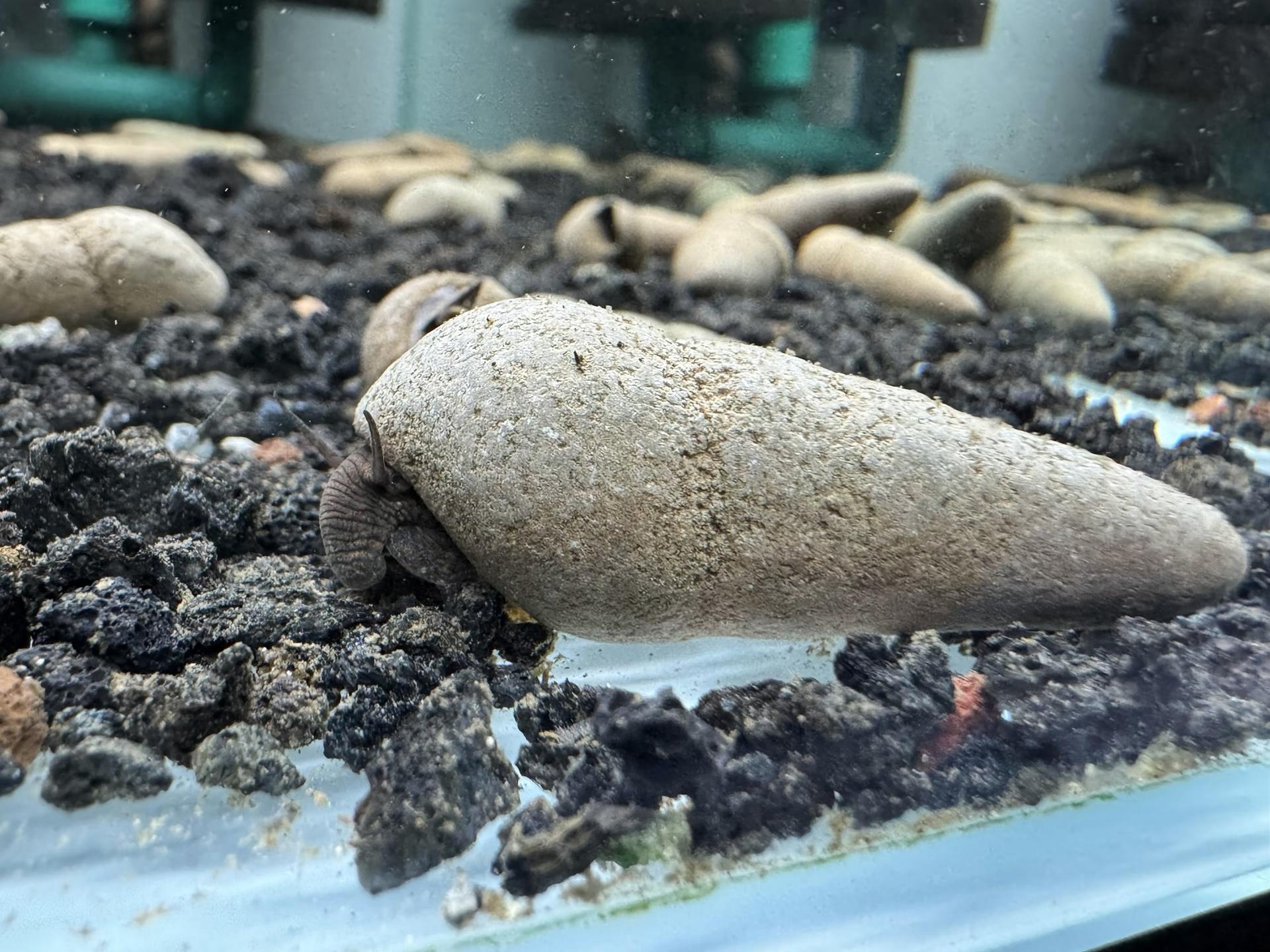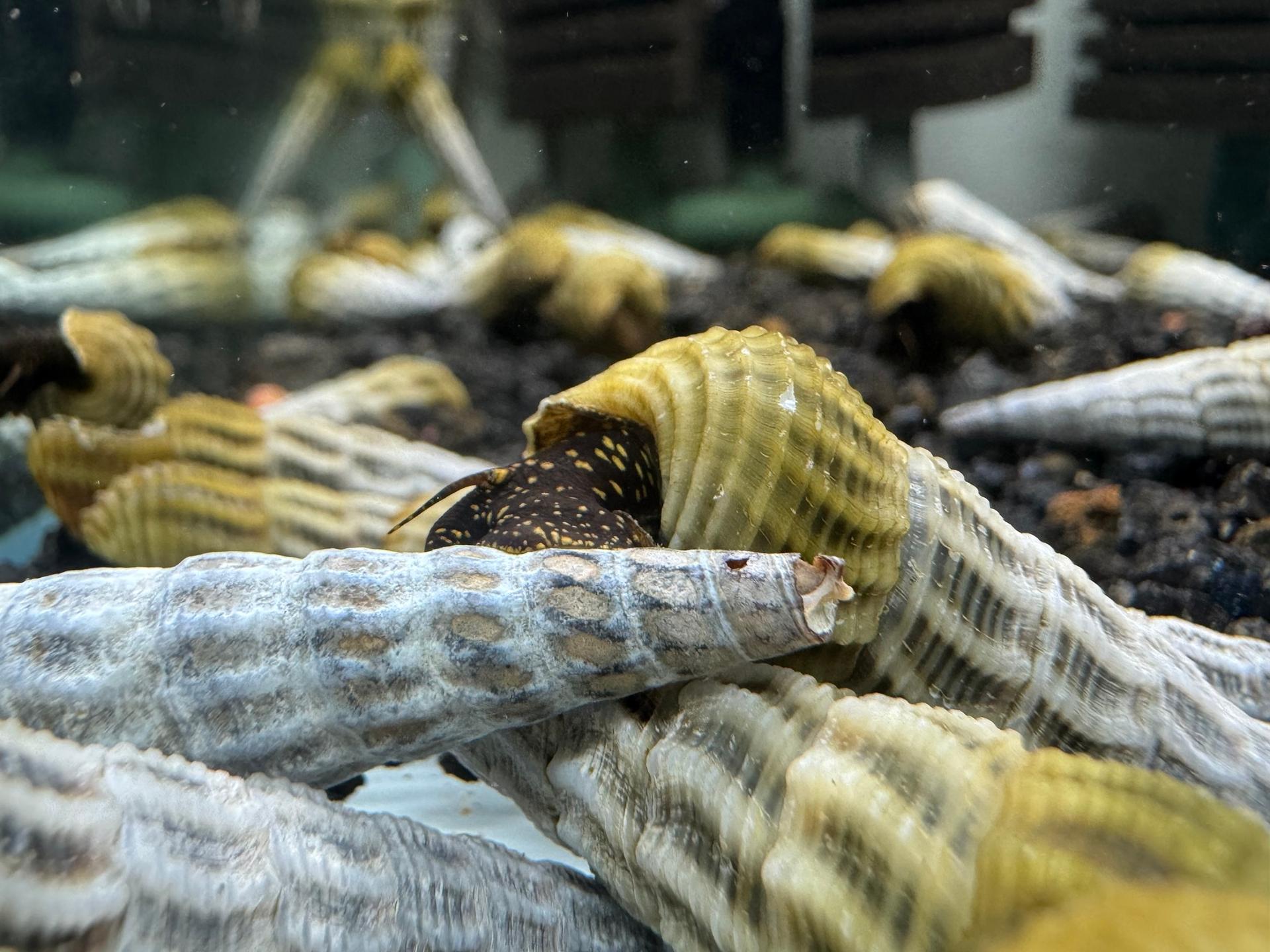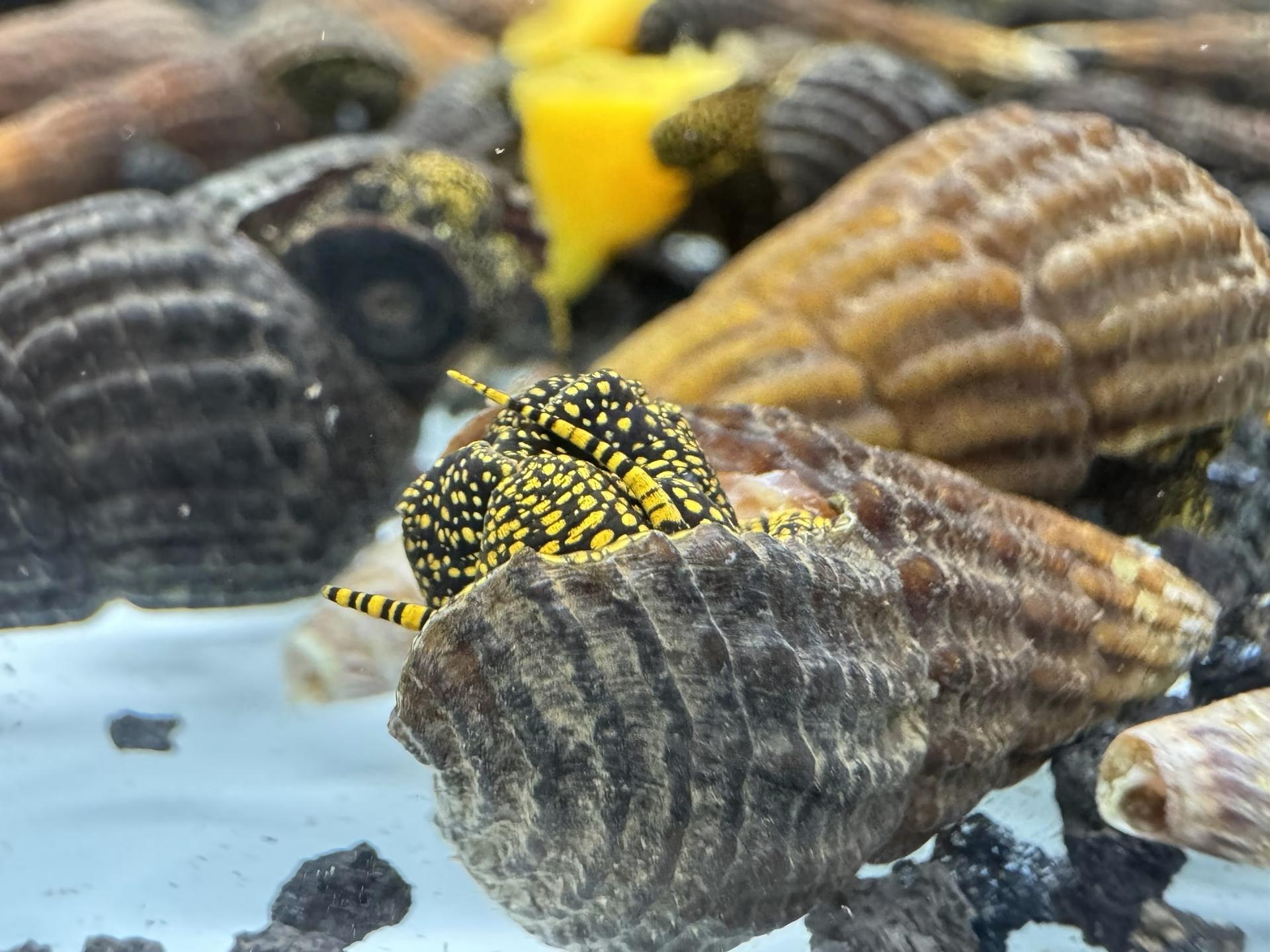
Ốc Đốm Vàng Golden Spot
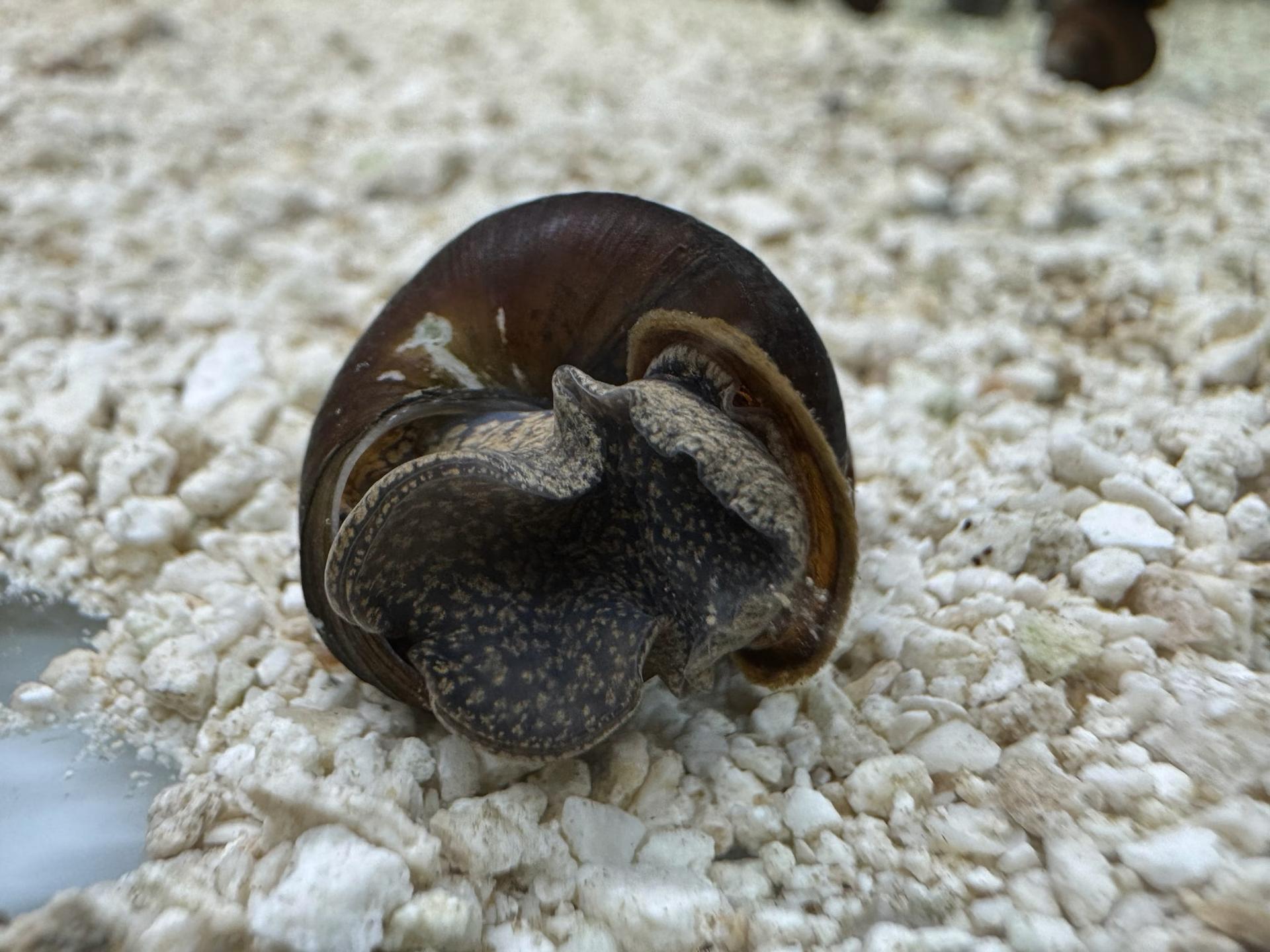
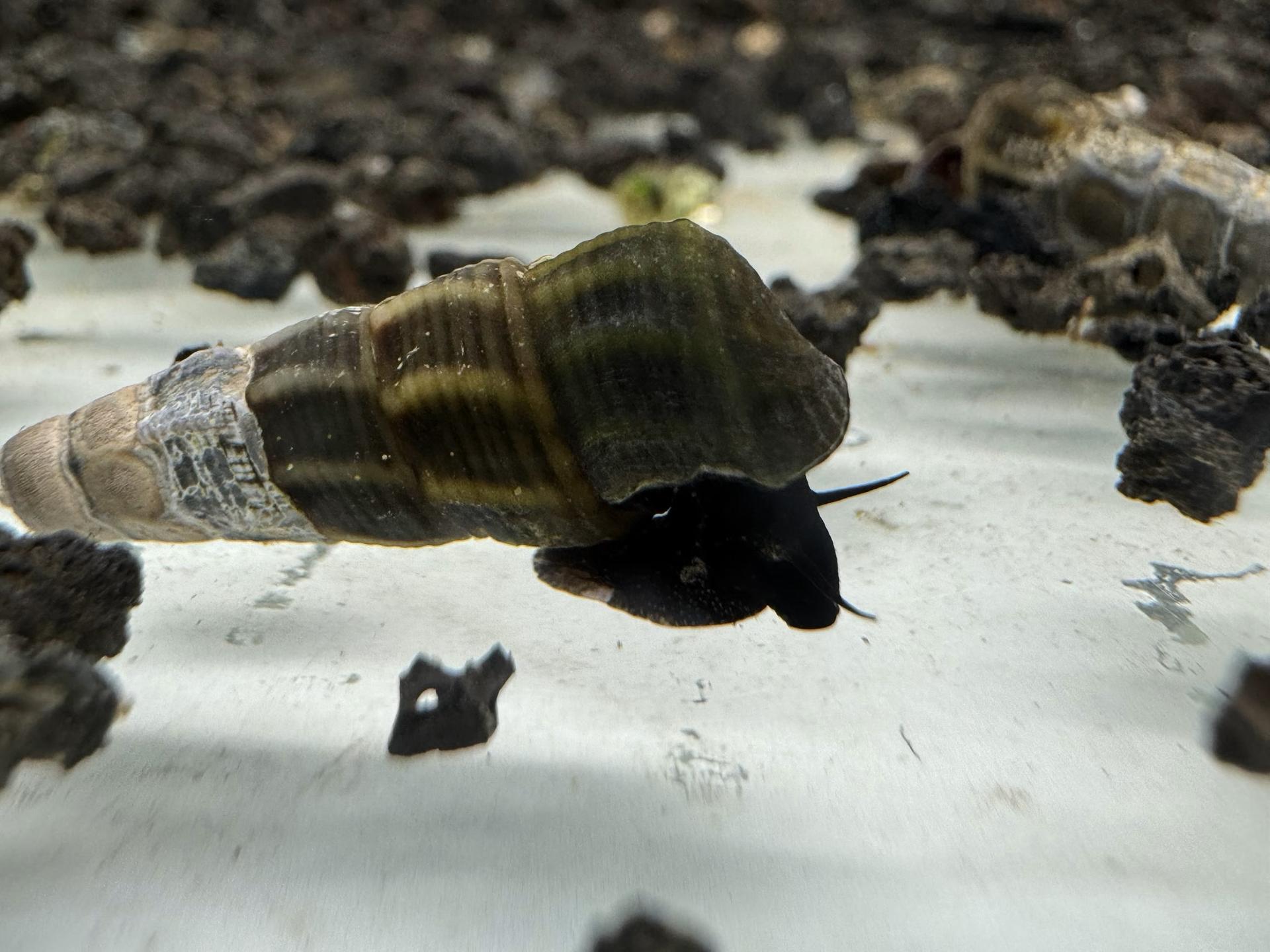
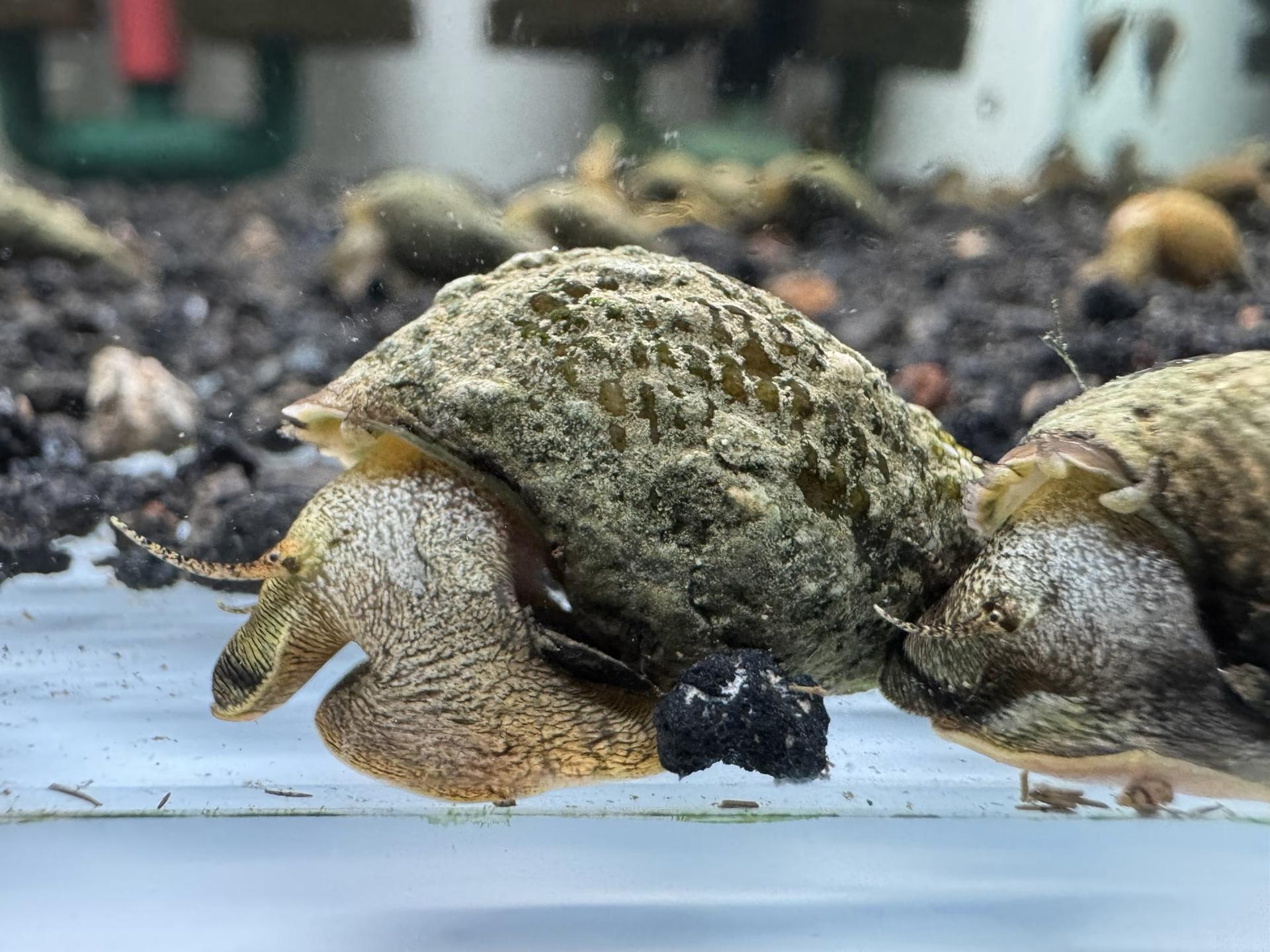
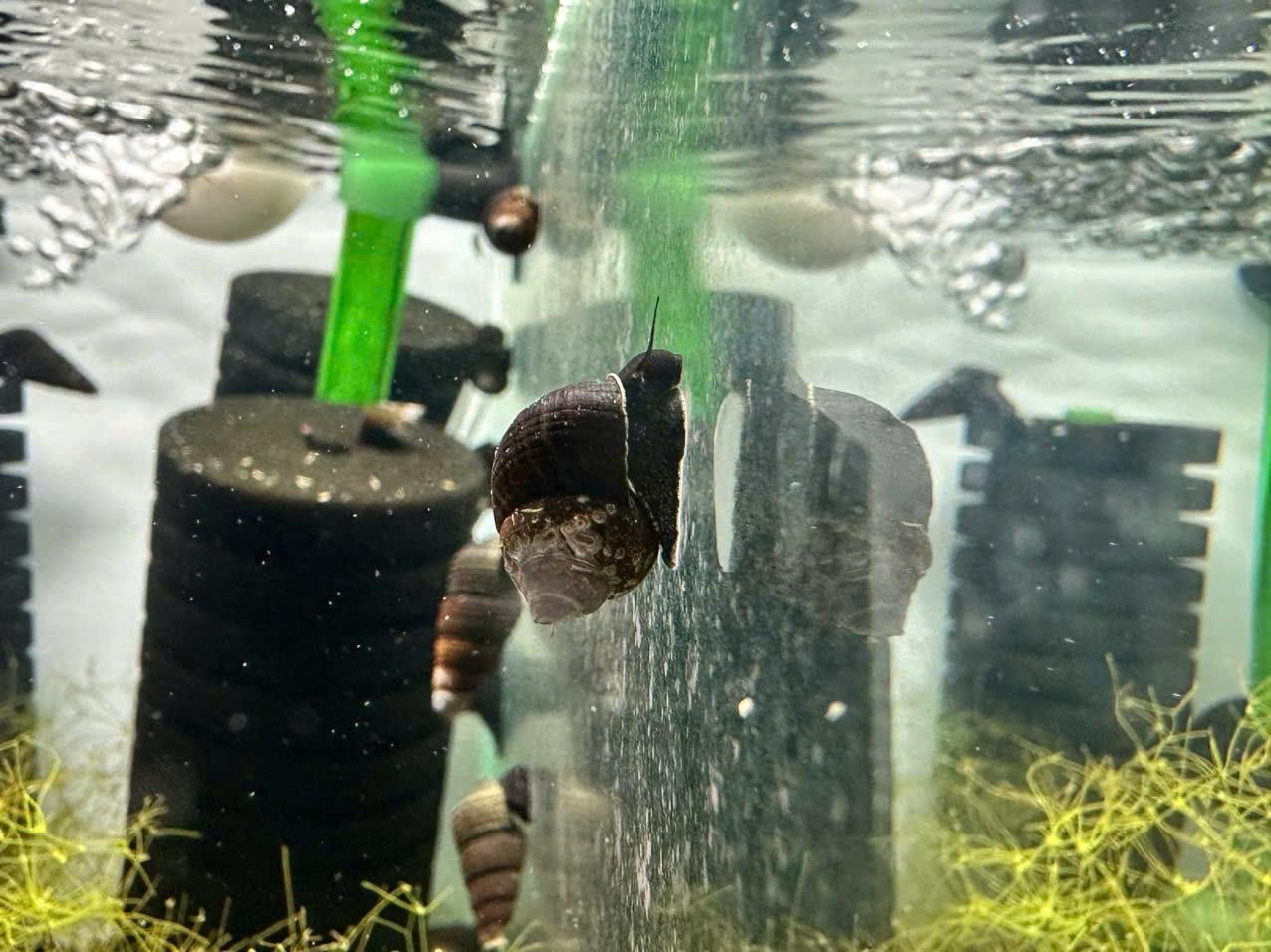
Thân sẫm phủ dày đốm vàng kim, vỏ xoắn dài nâu đen đôi khi có băng nhạt. Con ốc thì đẹp thật, nhưng cái tên 'Golden Spot' lại đang được dùng cho hai con vật khác nhau — nên chúng tôi không ghi hồ nguồn gốc khi chưa biết chắc.
Ốc Sula không phải đội dọn hồ — nó là loài sưu tầm, và phải được nuôi như một loài sưu tầm.
Một cái tên, hai con ốc khác nhau
'Golden Spot' được gắn cho ít nhất hai con vật: con ốc đốm vàng của hồ Towuti thuộc hệ Malili, và con đốm vàng của hồ Poso — tức chính là dòng Yellow Spotted Poso ở trên. Hai hồ này cách nhau khoảng 400 km và không chung loài nào, nên nhãn kiểu 'ốc Poso đốm vàng — Tylomelania towutensis' là tự mâu thuẫn: towutensis được đặt theo tên hồ Towuti, và towutica cũng vậy. Vì thế chúng tôi ghi thẳng: chưa xác nhận hồ nguồn gốc, trừ khi nhà cung cấp nói được lô hàng đến từ đâu.
Nhận dạng Golden Spot
Điều kiện nuôi lý tưởng
Nước hồ Sulawesi ngoài tự nhiên nóng và kiềm nhưng lại MỀM — Matano đo được 28.7°C, pH 8.5, GH 7, KH 5, TDS khoảng 87 ppm. Vì vậy đừng cố kéo GH lên thật cao: giữ pH kiềm ổn định và KH đủ đệm mới là điều quan trọng. Nguyên tắc vàng vẫn là ổn định hơn hoàn hảo.
KH là thứ giữ cho vỏ ốc không bị mòn. Chóp vỏ (đỉnh xoắn) bị mòn nhẵn là chuyện bình thường ở ốc hoang dã trưởng thành — dấu hiệu đáng lo là phần MIỆNG VỎ mới mọc bị rỗ, xỉn hoặc mòn trắng, nghĩa là KH/khoáng trong hồ đang tụt.
Hồ sơ Golden Spot
- Tên khoa học
- Tylomelania sp. "Golden Spot"
- Mức chắc chắn định danh
- Tên thương mại đa nghĩa
- Nguồn gốc
- Sulawesi, chưa xác nhận hồ
- Hai khả năng
- Dạng Towuti hoặc dạng Poso
- Kích thước trưởng thành
- 5–8cm
- Nền ưa thích
- Đá, lũa và cát mịn
Loài hoang dã — hồ sơ tự nhiên
Chừng nào chưa biết lô hàng đến từ hồ nào thì mọi câu về sinh cảnh chỉ đúng ở mức chung của chi. Dưới đây là những gì đúng cho cả hai khả năng.
Vì sao ốc Sula luôn hiếm
Các loài Tylomelania khác nhau LAI ĐƯỢC với nhau trong hồ nuôi. Nếu bạn muốn giữ dòng thuần để nhân giống, mỗi hồ chỉ nên nuôi một loài. Nuôi chung nhiều loài chỉ nên làm với hồ chơi.
Bộ set-up đi kèm
Ốc Sula KHÔNG phải đội dọn rêu. Chúng gặm màng vi sinh và mùn, không xử lý được rêu hại, và bắt buộc phải cho ăn bổ sung — nuôi 'để nó tự dọn hồ' là lý do phổ biến nhất khiến ốc chết đói sau vài tháng mà chủ hồ không nhận ra.
Ăn tạp thiên về màng vi sinh, mùn hữu cơ và rau củ chần. Bổ sung White Powder + Yellow Powder 2–3 lần/tuần, thêm bí đỏ hoặc dưa leo chần cho ốc lớn nhanh. Nền Sula Sand giữ pH kiềm bền và cũng là nơi các loài ăn nền vùi mình tìm mùn.
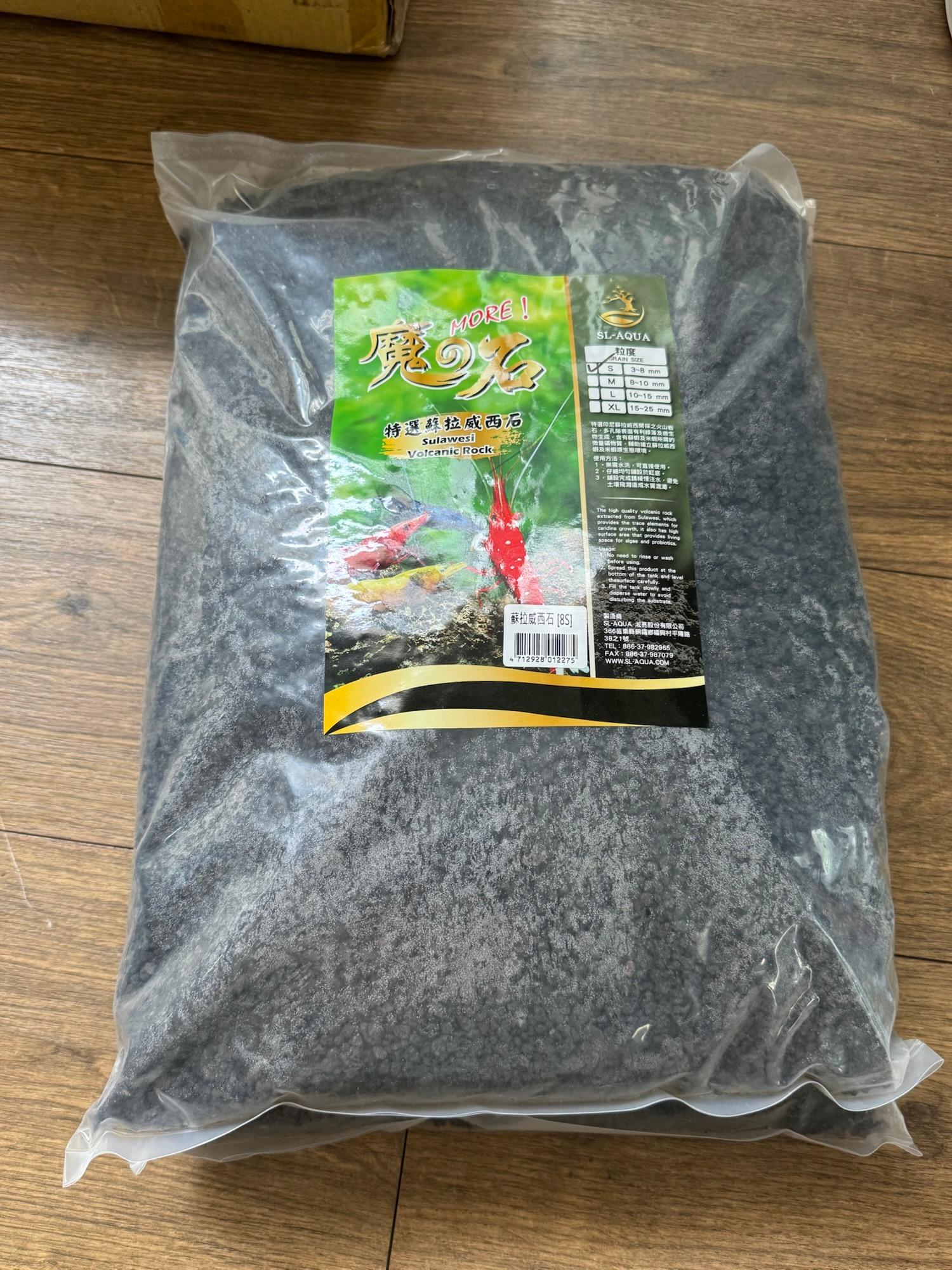 Sulawesi Volcanic Rock - Nền Sula Sand (Nhập khẩu chính ngạch)1.200.000 ₫Xem sản phẩm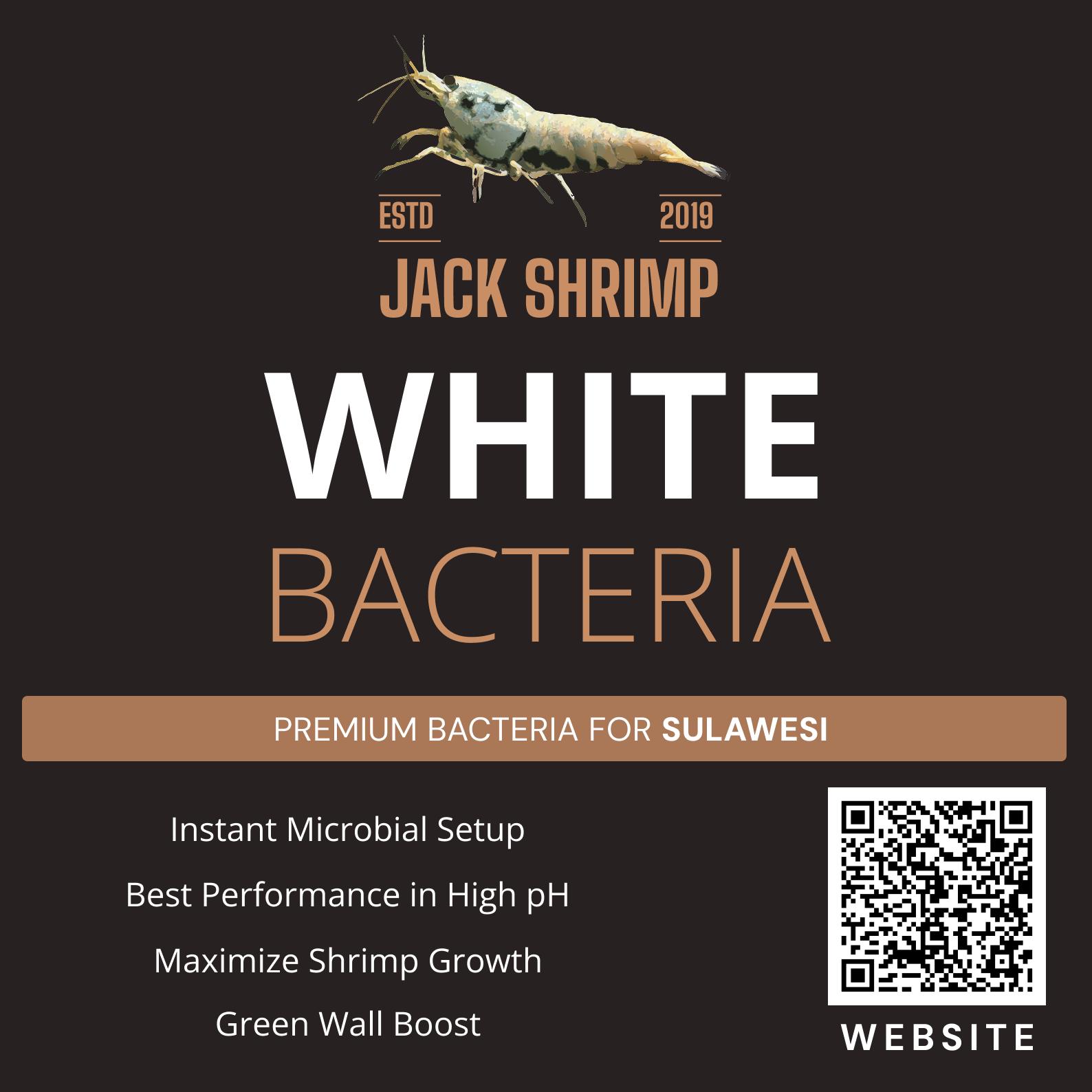
Chưa biết set hồ Sulawesi thế nào?
Xem hướng dẫn set hồ Sulawesi từ A–Z của Jack Shrimp: chọn nền, dựng đá, chạy vi sinh, thả ốc và tép an toàn.
Đọc hướng dẫn set hồ