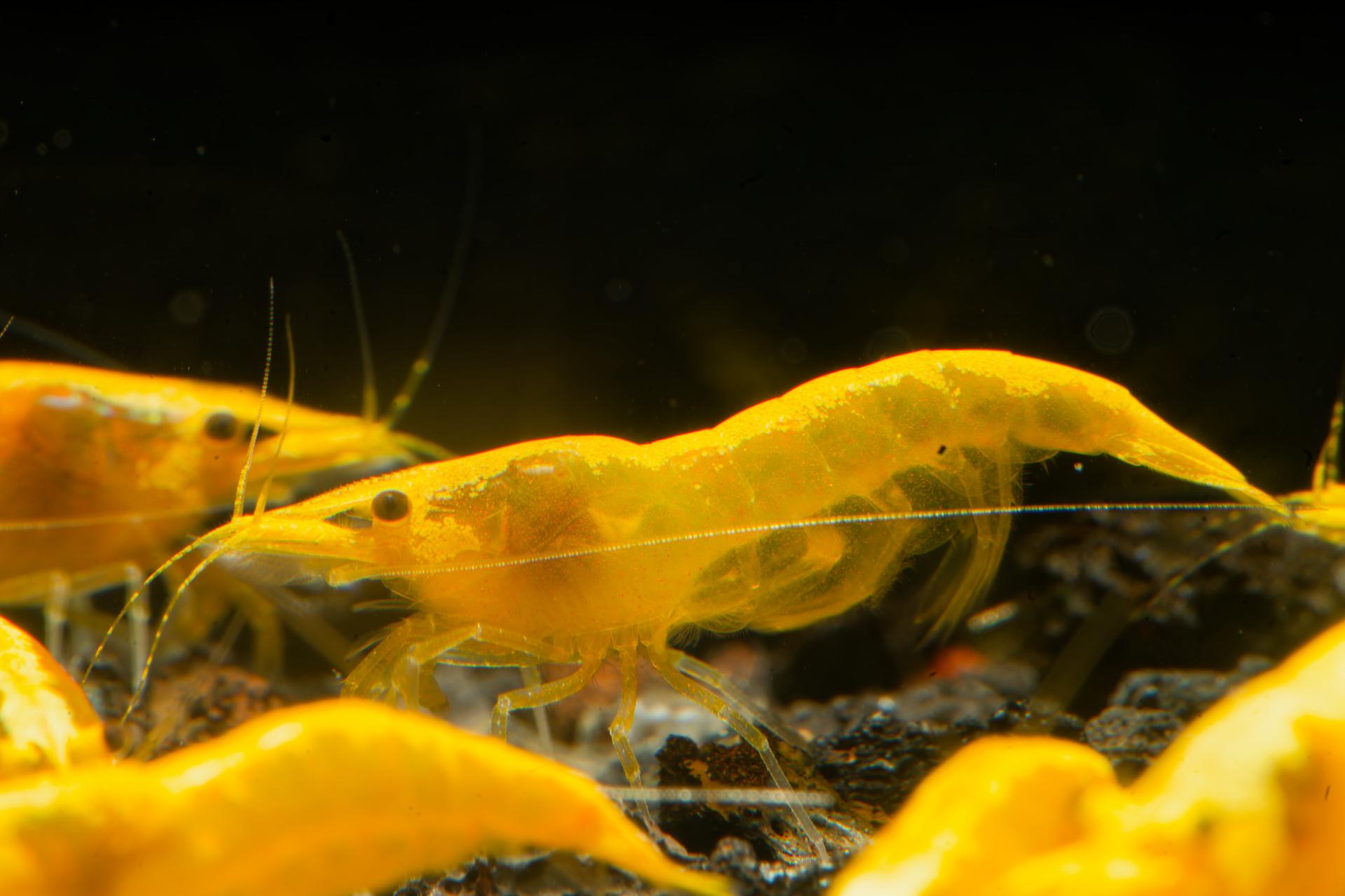
Neos Vàng Taiwan (Golden Back)
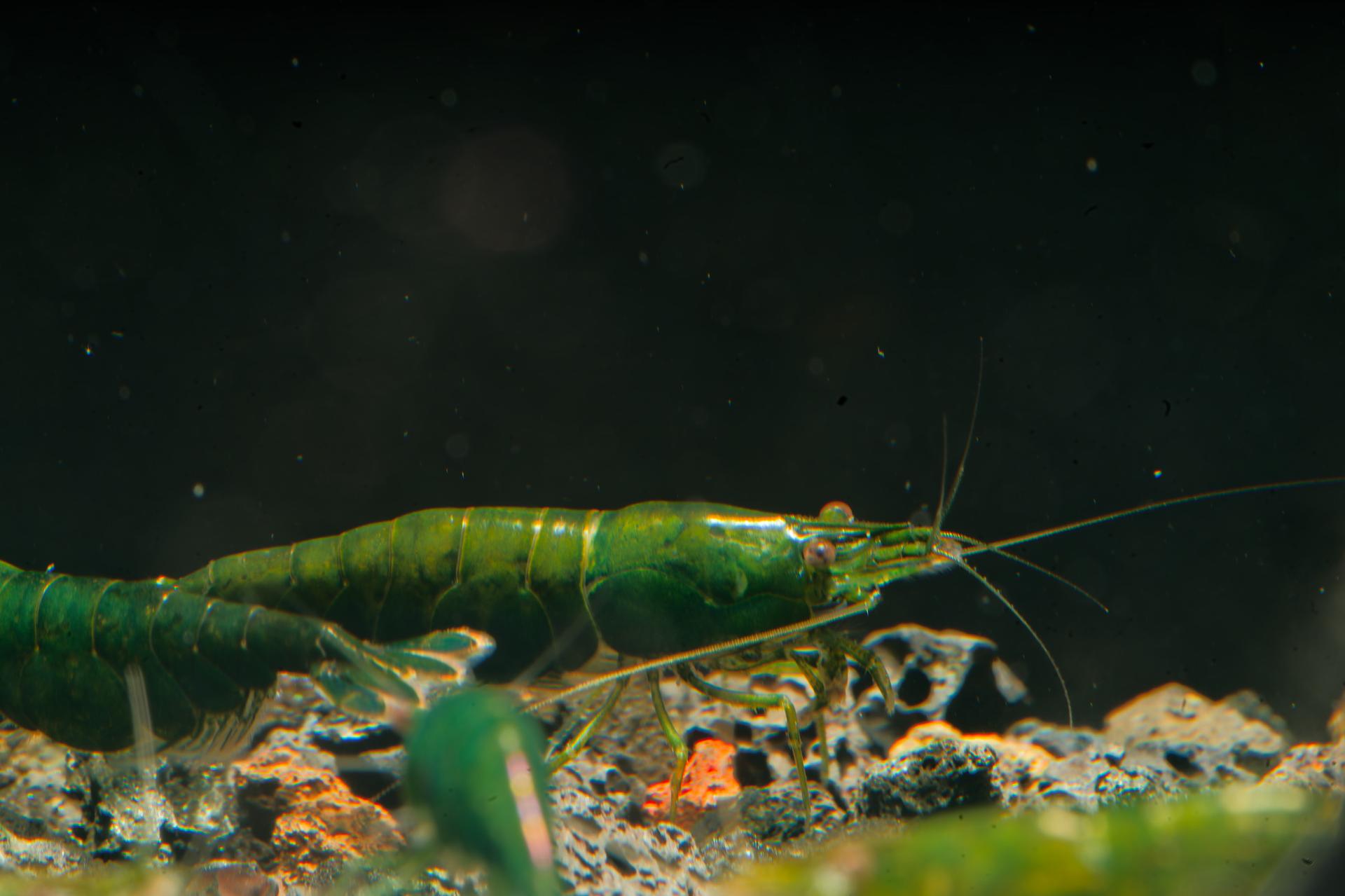
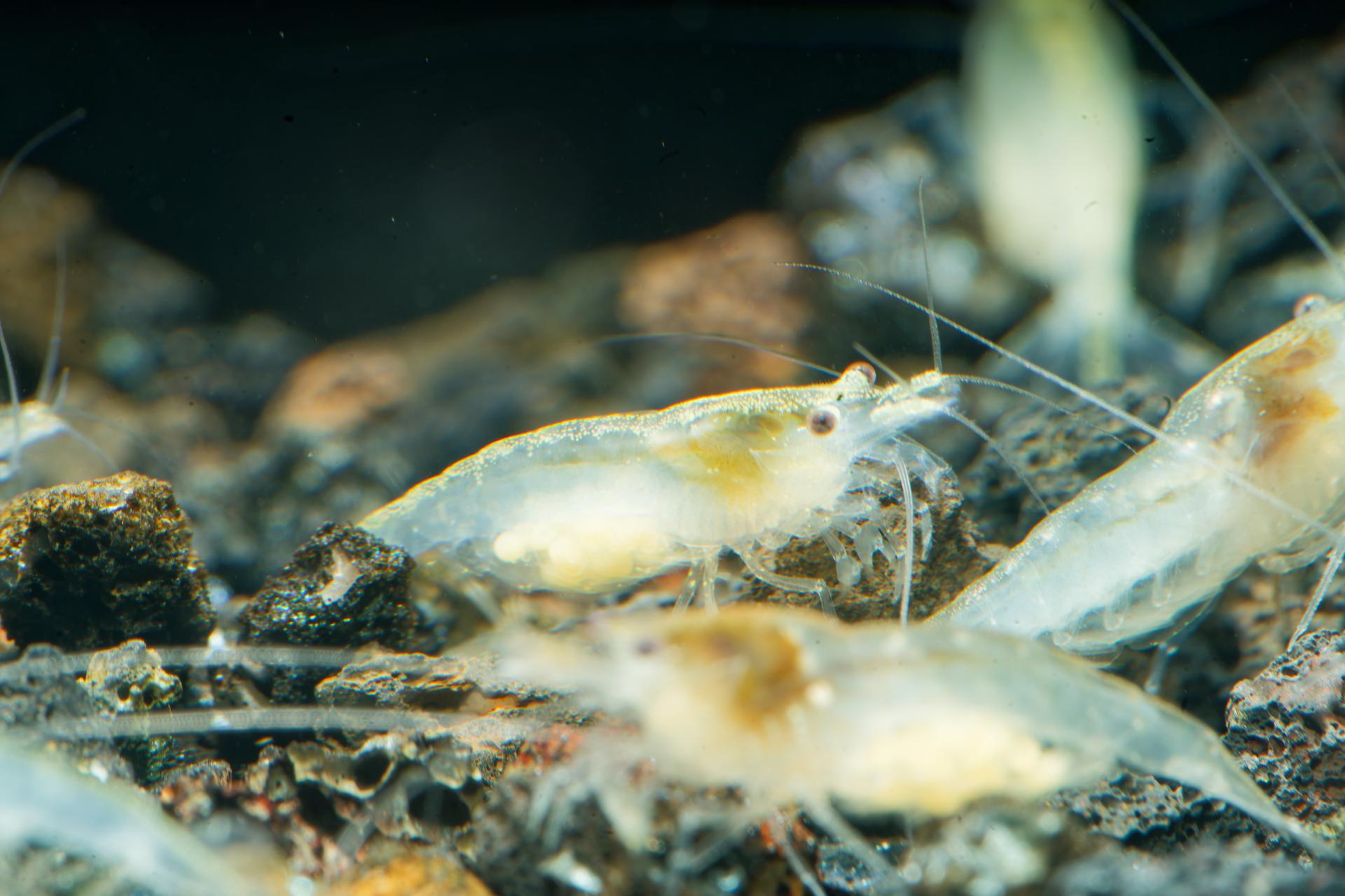
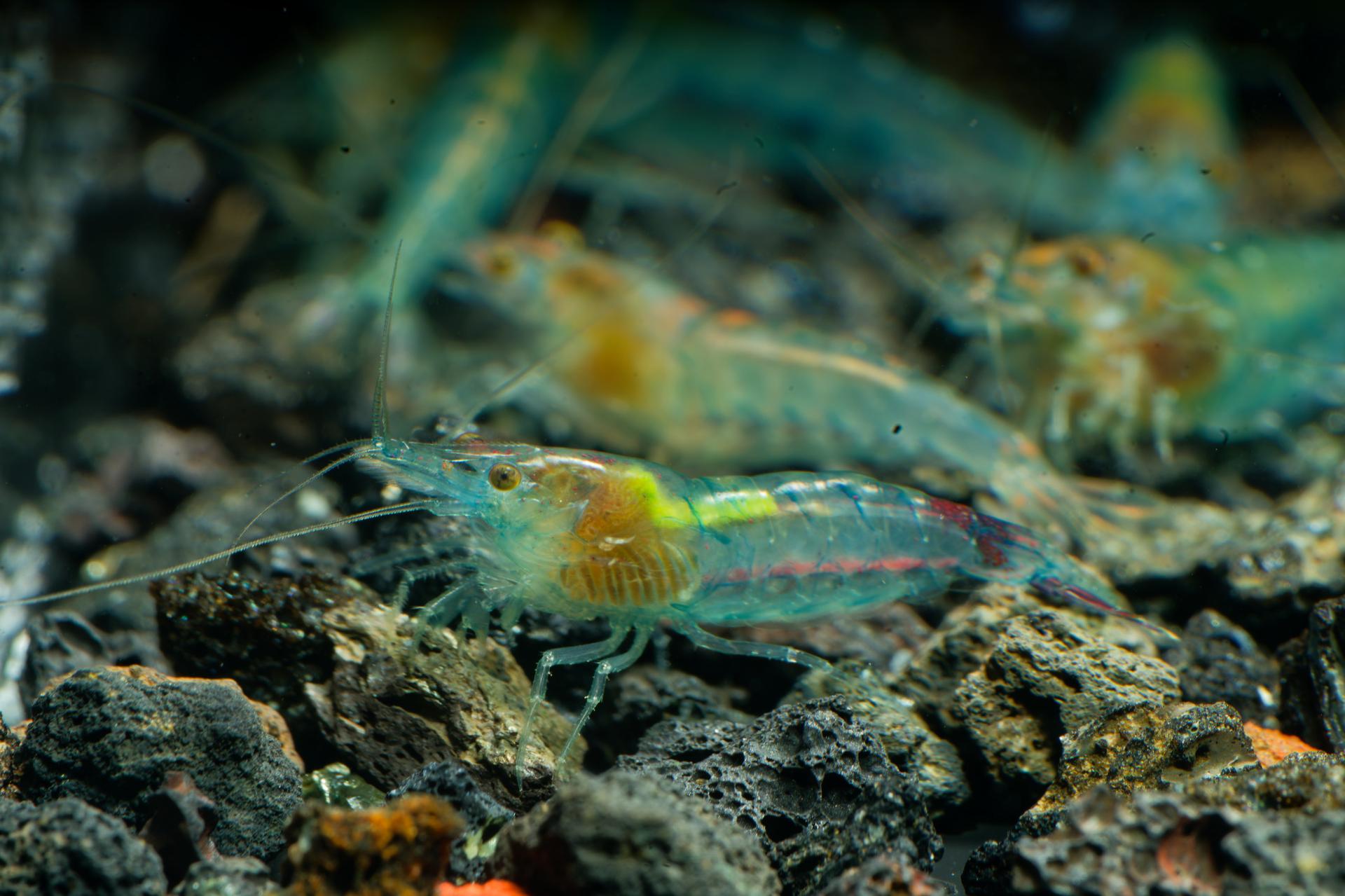
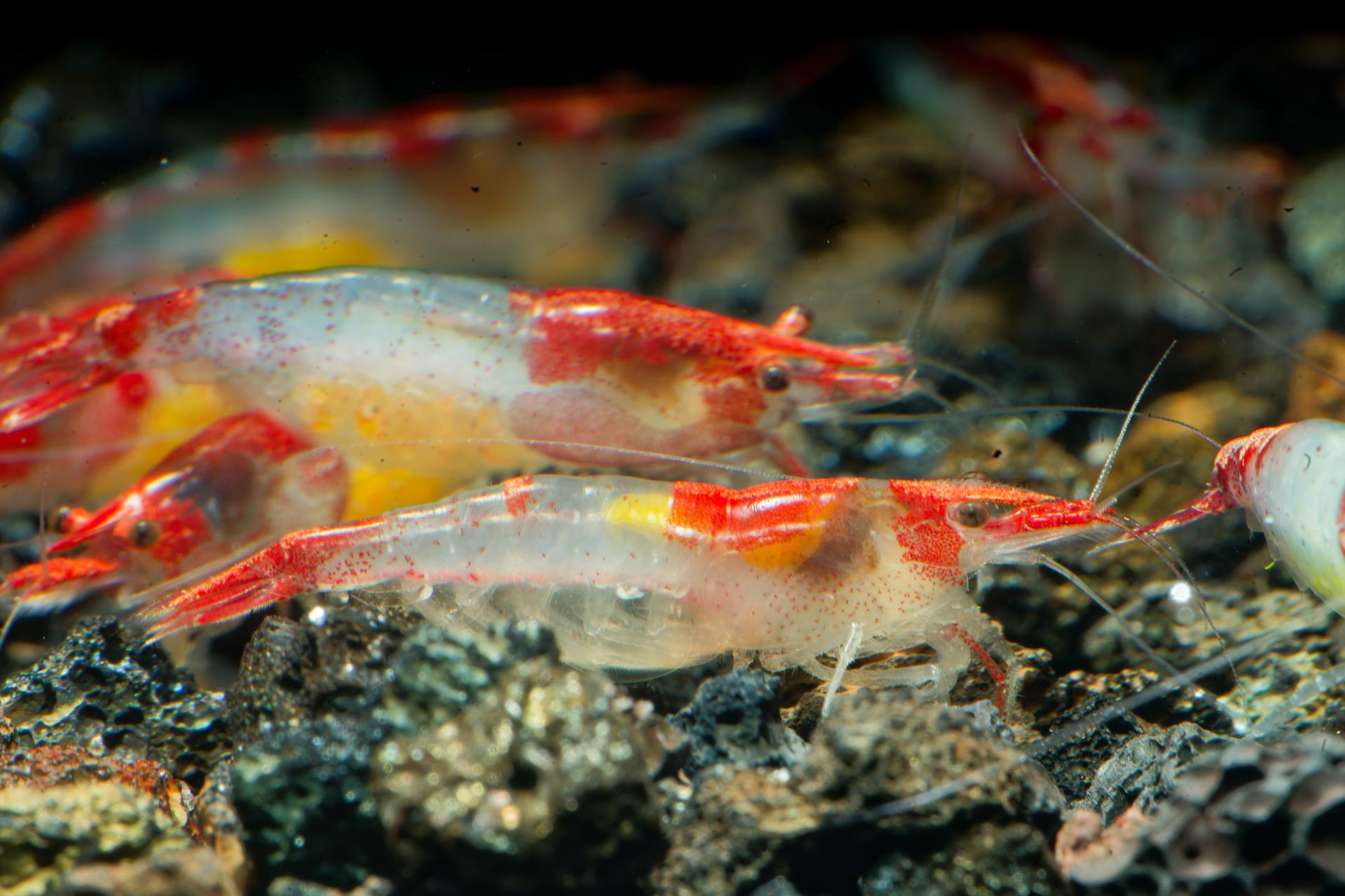
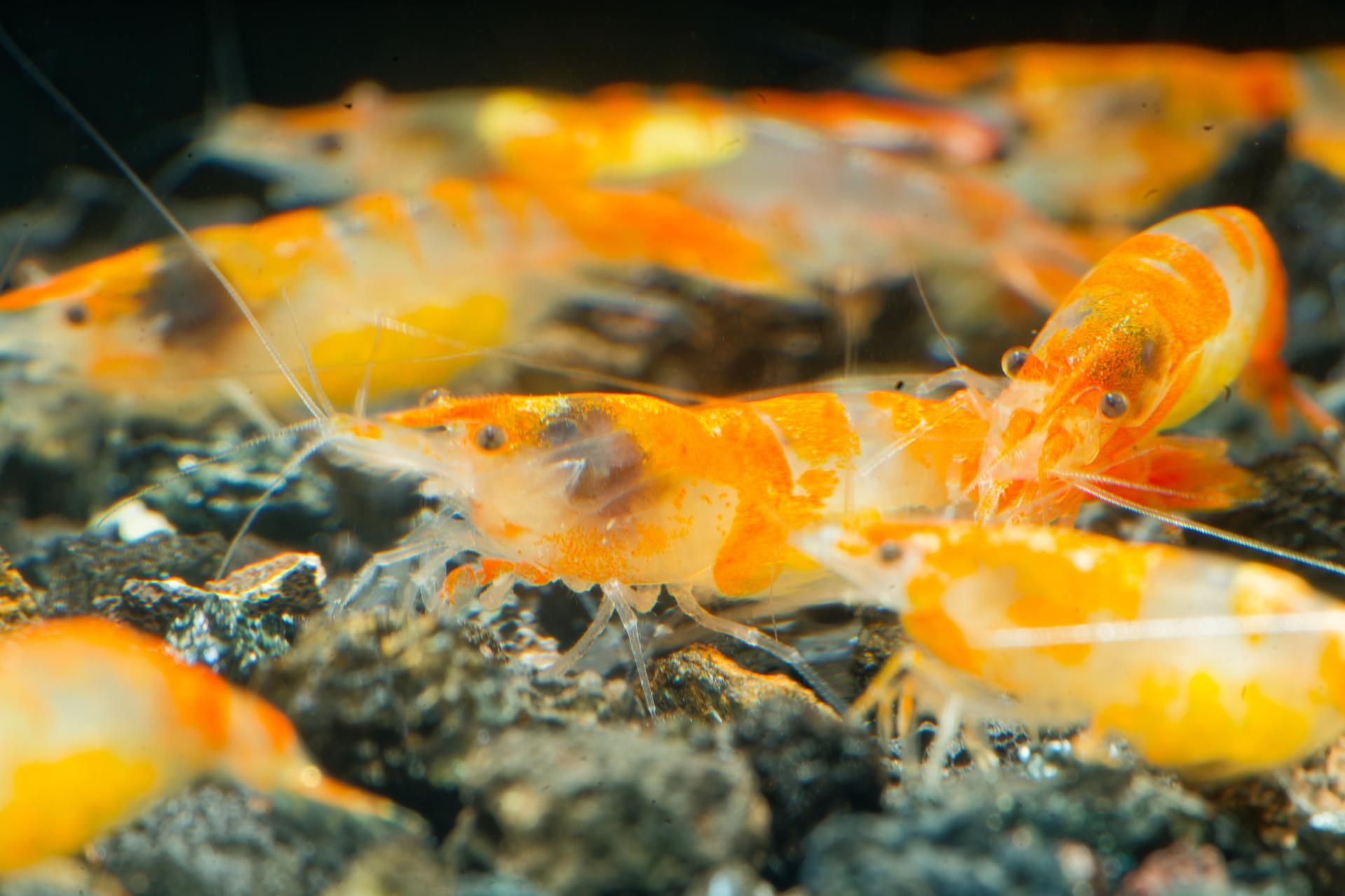
Dòng vàng, trong đó Golden Back là nhánh chọn lọc có sọc lưng: một vệt vàng ánh kim chạy dọc từ đầu tới đuôi và càng trưởng thành càng rõ. Cần hiểu đúng hai trục riêng biệt — độ đục của màu vàng, và có sọc hay không có sọc.
Một hồ một màu. Đó là toàn bộ bí quyết giữ đàn tép màu đẹp qua nhiều năm.
Hai trục: độ đục và sọc lưng
Tép vàng thuộc nhánh vàng của Neocaridina davidi; 'Golden Back' không phải một loài hay một dòng khác mà là nhánh chọn lọc có sọc lưng bên trong chính nhánh vàng đó — một vệt vàng ánh kim chạy dọc sống lưng từ đầu tới đuôi, đậm dần khi con tép trưởng thành. Điểm hay bị nói sai: sọc và độ đục là hai trục hoàn toàn tách nhau. Một con có sọc vẫn được chấm độ đục theo đúng thang cao/trung bình/thấp như một con không sọc. Nghề tép cũng chưa có thang hạng đặt tên chính thức cho màu vàng.
Chấm một con vàng cho đúng
Điều kiện nuôi lý tưởng
Đây là dải nuôi thật, không phải dải chép từ care sheet nước ôn đới. Trong dải này có một vùng dễ chịu hơn nếu bạn muốn căn kỹ: pH 7.0–7.5, GH 6–8, TDS 180–220, KH 3–5. Nhưng một hồ nền GH 4 vẫn nuôi và đẻ bình thường — dưới 4 mới là chỗ bắt đầu lột hỏng. GH là thứ cung cấp canxi–magiê cho việc lột vỏ: GH quá thấp gây 'vòng trắng tử thần' khi tép lột không thoát. KH giữ pH khỏi tụt. Và ổn định vẫn quan trọng hơn hoàn hảo: hồ đứng yên ở GH 5 nuôi tốt hơn hồ bị kéo lên kéo xuống quanh GH 8.
Dùng nền TRƠ (sỏi, cát, nền trơ chuyên tép) — tuyệt đối không dùng nền đệm acid dành cho tép Ong/Taiwan Bee. Nền acid kéo pH và KH xuống dưới ngưỡng tép màu cần, và đây là lỗi set hồ phổ biến nhất với người mới.
Nuôi nhiệt độ phòng ở Việt Nam là ĐÚNG — không cần chiller, không cần ép xuống 22–24°C. Neocaridina có phân bố tự nhiên ở chính Việt Nam, Đài Loan và nam Trung Quốc, nơi nước ngoài tự nhiên mùa hè lên gần 30°C. Nghiên cứu nuôi có đối chứng ở 24 / 28 / 32°C cho kết quả rõ: 28°C là nhiệt độ tối ưu để tép lớn, thành thục và đẻ, đồng thời cho tỉ lệ sống cao nhất. Giới hạn thật nằm ở 30°C — vượt qua đó tép cái bắt đầu nhả trứng và đàn ngừng bổ sung con non; tới 32°C thì mất trắng toàn bộ trứng. Cái giá của việc nuôi ấm 27–29°C là trao đổi chất nhanh: tép lớn nhanh, đẻ dày, nhưng mỗi con sống ngắn hơn và dự trữ dinh dưỡng mỏng hơn; nước ấm cũng ít oxy hơn nên phải sục và đừng thả quá dày. Nhà có máy lạnh giữ 24–26°C thì tép sống lâu hơn, đẻ thưa hơn. Cả hai cách đều đúng — thứ thật sự giết tép không phải 28°C, mà là vượt 30°C và để nhiệt độ nhảy đột ngột.
Hồ sơ dòng vàng
- Tên khoa học
- Neocaridina davidi
- Nhánh dòng
- Dòng vàng — Golden Back là nhánh có sọc
- Kiểu lên màu
- Sắc tố ở vỏ
- Chấm hạng theo
- Độ đục: cao / trung bình / thấp
- Sọc lưng
- Trục riêng — sở thích, không phải hạng
- Kích thước trưởng thành
- 2–3cm
Sơ đồ dòng — tất cả tép màu đều từ MỘT loài
Mọi dòng tép màu thương mại đều là Neocaridina davidi, chọn lọc từ con hoang dã màu nâu vằn. Chúng là biến dị màu, không phải loài khác nhau, không phải lai giữa các loài.
- Dòng ĐỏCherry → Sakura → Fire Red → Painted Fire Red → Red Rili
- Dòng Chocolate/NâuChocolate → Bloody Mary, Black Rose → Carbon Rili
- Dòng VàngYellow → Golden Back (sọc lưng)
- Dòng CamOrange Sakura → Orange Rili
- Dòng Xanh LáGreen Jade / Green Diamond — xanh dương + vàng
- Blue Dreamtừ Carbon Rili — KHÔNG mang gen đỏ
- Blue Jelly / Blue Velvettừ Red Rili — VẪN mang gen đỏ
Hai nhánh xanh này nhìn giống nhau nhưng khác gốc. Nuôi chung là đưa gen đỏ trở lại và đàn sẽ ra màu hoang dã.
Vàng có giữ màu không, và có khó nuôi không?
Đàn vàng nuôi thuần thì giữ dòng tốt, đẻ đều và tép cái gần như ôm trứng liên tục. Nhưng cả hai trục đều cần chọn lọc: độ đục vẫn ra một dải trong mỗi lứa, và mức độ rõ của sọc lưng cũng khác nhau giữa các con nên phải chọn giống mới giữ được. Một lưu ý thật lòng: Golden Back được ghi nhận là nhạy cảm nhất trong tất cả các dòng tép màu Neocaridina, và hàng hạng cao cần nước ổn định hơn mức thông thường rõ rệt. Và như mọi dòng khác — một hồ một màu; nuôi chung với đỏ, cam hay xanh là vài thế hệ sau đàn về nâu hoang dã.
Một hồ một màu. Mọi dòng tép màu đều là CÙNG MỘT LOÀI nên chúng lai với nhau tự do, và vì màu hoang dã là gen trội, đàn lai sẽ trở về nâu vằn chỉ sau 2–3 thế hệ. Không đảo ngược được. Muốn chơi hai màu thì cần hai hồ.
'Hạng' (grade) là mô tả NGOẠI HÌNH — chủ yếu độ đục và độ phủ màu — chứ không phải một hạng di truyền. Một cặp hạng cao vẫn đẻ ra cả dải hạng, và tép đực luôn nhạt hơn tép cái một bậc chỉ vì nó là con đực. Muốn giữ hạng thì phải lọc đàn liên tục.
Tép màu, tép Ong và Sulawesi cần ba loại nước khác nhau
- Tép màu (Neocaridina)
- 24–29°C · pH 6.8–7.8 · GH 4–12 · KH 2–8 · nền TRƠ
- Tép Ong / Taiwan Bee (Caridina)
- 20–24°C · pH 5.8–6.8 · GH 4–6 · KH 0–1 · nền đệm acid
- Tép & ốc Sulawesi
- 27–30°C · pH 7.8–8.5 · GH 6–8 · KH 3–6 · nền kiềm
Về mặt di truyền, tép màu KHÔNG lai được với tép Ong hay tép Sulawesi — khác chi thì không lai. Nhưng ba nhóm này cần ba loại nước khác hẳn nhau, nên không thể nuôi chung một hệ. Đây là lỗi tư vấn phổ biến nhất trong nghề. Chú ý đọc bảng cho đúng: thứ tách tép màu khỏi Sulawesi KHÔNG phải nhiệt độ — hai bên trùng nhau ở 27–29°C — mà là pH và KH. Sulawesi cần nước kiềm pH 7.8–8.5 có KH duy trì; tép màu ở đó nằm sát mép trên. Còn tép Ong thì ngược hẳn: pH acid, KH gần 0, nền đệm.
Bộ set-up đi kèm
Ăn tạp: màng vi sinh, tảo và mùn hữu cơ. Cho ăn 2–3 ngày một lần, KHÔNG cho ăn hằng ngày — thừa thức ăn làm giảm sinh sản và gây sán, thuỷ tức. Thức ăn giàu carotenoid (astaxanthin, tảo xoắn) làm màu lên đậm hơn nhưng không đổi được gen. Không cần bổ sung i-ốt để tép lột vỏ: thứ tép cần là GH. Xác vỏ lột hãy để nguyên trong hồ cho tép ăn lại khoáng.
Đồng hoà tan gây chết ở khoảng 0.06–0.08 mg/L. Thủ phạm thật sự là thuốc trị bệnh cá gốc đồng, thuốc diệt ốc, phân nước vi lượng đậm đặc, ống nước bằng đồng và cây thuỷ sinh còn tồn dư thuốc trừ sâu. Ngược lại, đồng trong THỨC ĂN lại là chất thiết yếu — máu tép dùng hemocyanin gốc đồng để tải oxy. Lưu ý: đồng bám vào silicon và rỉ ra nhiều tháng sau.
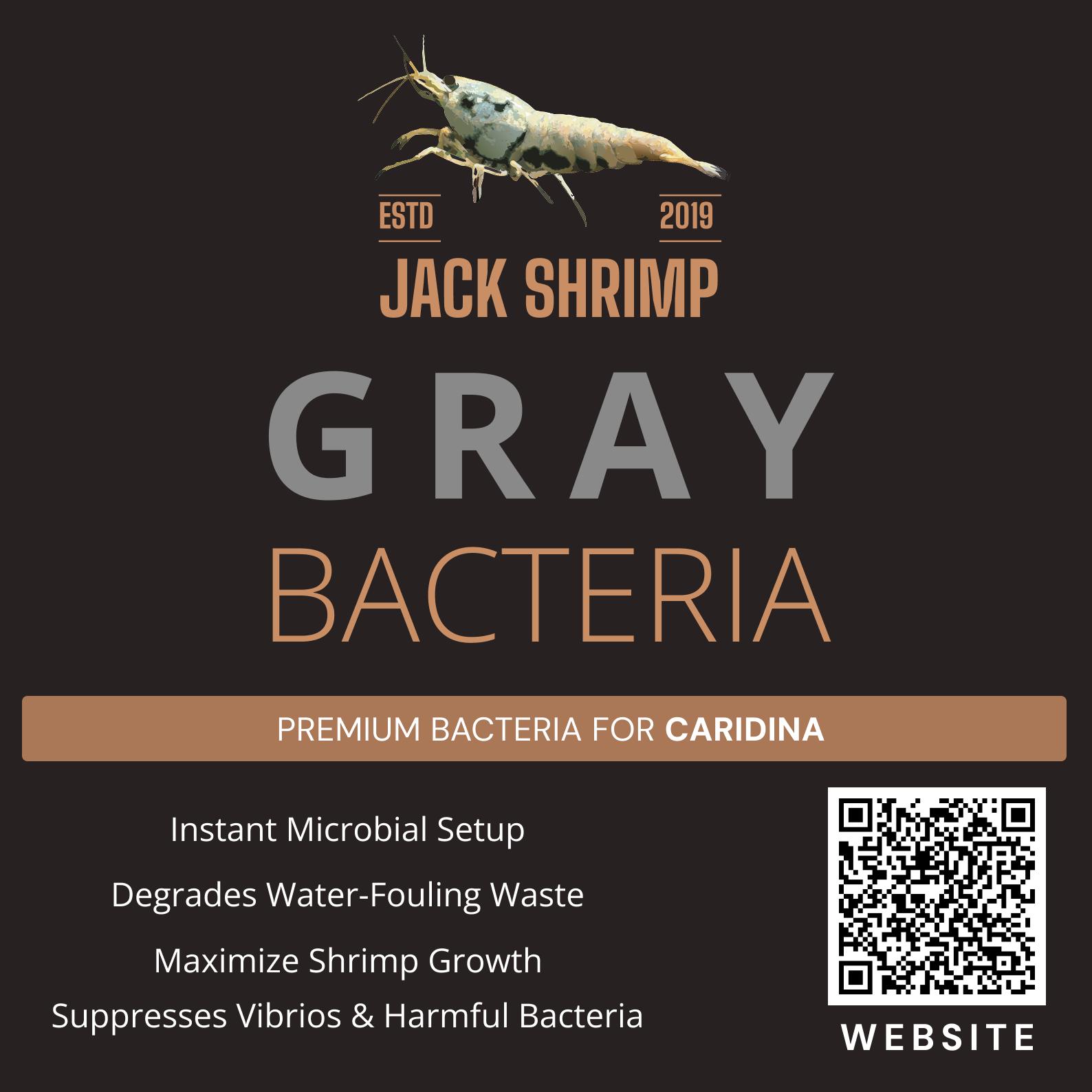
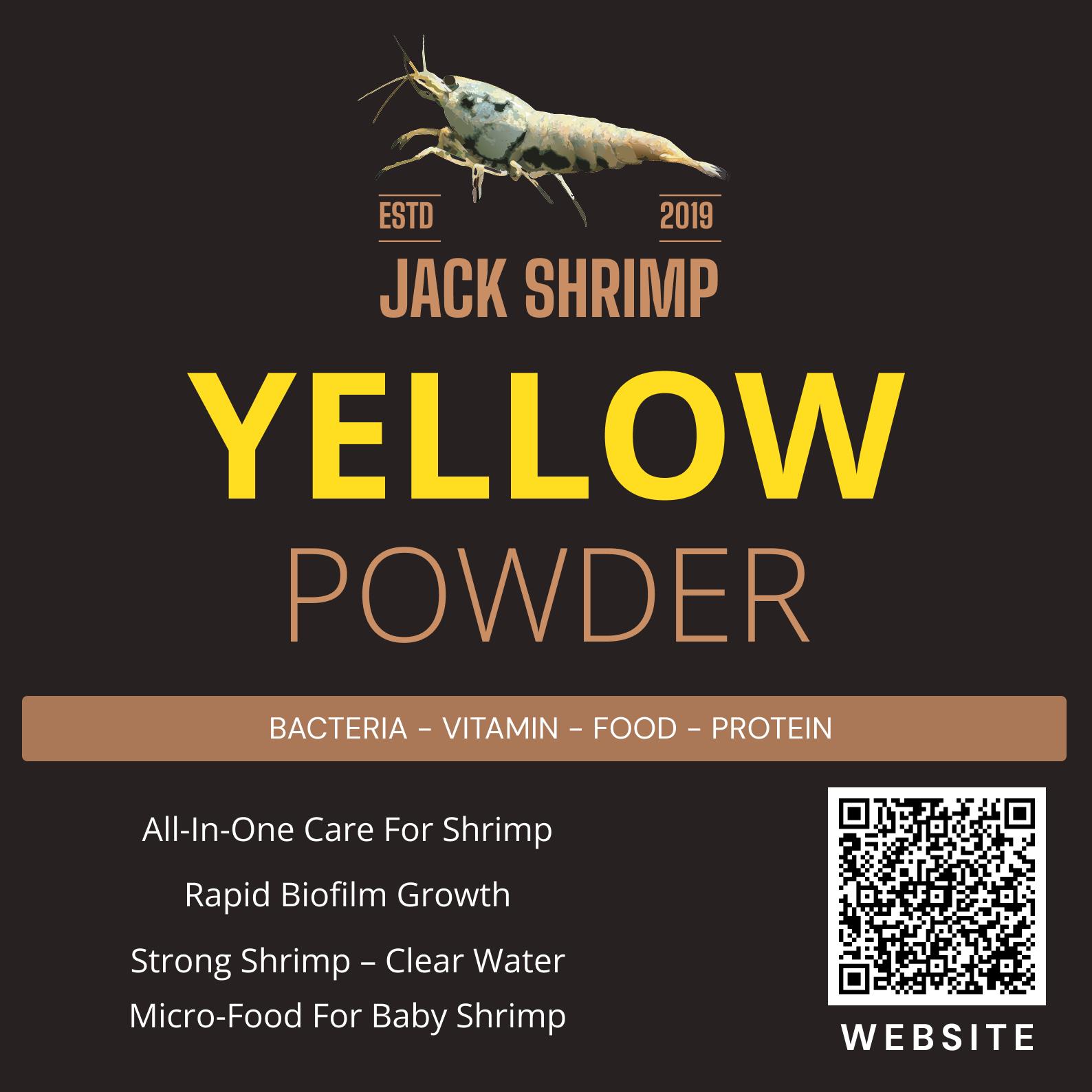
Bộ đôi vi sinh dùng cho hồ tép lạnh: Gray Powder lo phần hệ vi sinh — cấy và giữ đàn vi khuẩn có lợi, nuôi màng biofilm cho tép gặm, ổn định lọc sinh học và đỡ stress cho tép lúc thả mới, lúc lột vỏ hay sau khi thay nước. Yellow Powder bổ sung vi sinh, vitamin và protein cho tép lên màu và đẻ đều. Dùng cả hai cho kết quả tốt nhất.
Mới chơi tép màu?
Xem hướng dẫn set hồ tép màu từ A–Z của Jack Shrimp: chọn nền trơ, khoáng GH/KH, chạy vi sinh, thả tép an toàn và giữ màu qua nhiều thế hệ.
Đọc hướng dẫn set hồ